
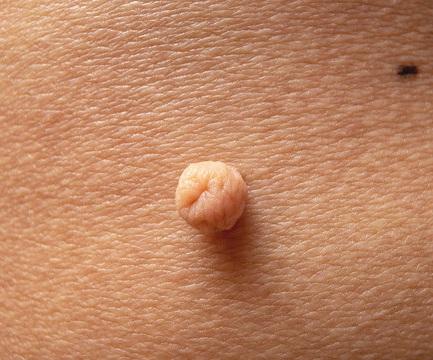
Skin Tags: Causes and Laser Removal
Skin tags are benign and not contagious, but rather than cutting them off at home, have them removed safely by laser.
Have you ever worried that the small, soft bits of skin hanging from your neck or underarms might spread to other people? Skin tags are benign tumors that are not contagious, and they can be removed simply with a CO2 laser. Dr. Kim Seung-yeon of Saeron Korean Medicine Hospital has put together the most frequently asked questions about skin tags, from their causes to the laser removal process, aftercare and prevention.
What Exactly Is a Skin Tag?
The formal name for a skin tag is acrochordon (soft fibroma), a benign tumor that arises from fibroepithelial tissue. Sizes range from tiny ones of about 1 mm to ones that reach several cm, and they attach to the skin as soft, polyp-like growths.
Because they are benign, they do not harm your health. The main concern is cosmetic, as they can be bothersome to look at.
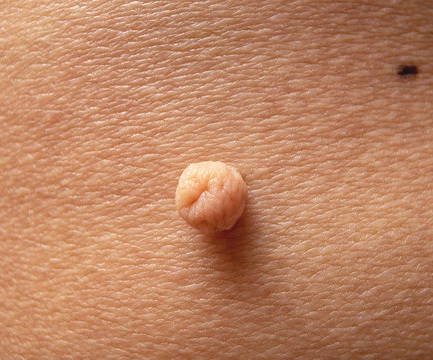
Why Skin Tags Form and Where They Usually Appear
The exact cause of skin tags has not yet been identified. However, they are thought to be closely related to skin friction, genetics, pregnancy and childbirth, diabetes, obesity and aging.
Skin tags tend to form where skin rubs often or where folds crease. They are common in the underarms, under the breasts, on the neck, on the eyelids and in the groin, and they can also appear anywhere else on the body.
Can Skin Tags Spread to Other People?
No. Skin tags can form when clothing or accessories keep rubbing against the skin, but the skin tags themselves are not contagious to others.
How Is Laser Removal of Skin Tags Done?
Skin tags are removed with a simple procedure using a CO2 laser. Small skin tags, as well as large protruding ones, can be removed by laser. First, a numbing cream is applied for about 30 minutes, and once the area is numb, the laser procedure is performed.
Care After Laser Removal
As soon as the laser procedure is finished, a DuoDERM dressing is applied. Keep the DuoDERM on for about 1 to 2 weeks, and to prevent pigmentation and scarring, do not remove or replace it for the first 3 to 4 days. You can wash your face and shower with the DuoDERM on. If the area remains slightly red after removing it, applying a regenerating cream helps recovery.
What You Can Do to Prevent Skin Tags
- Reduce skin friction: It is best to avoid things that repeatedly rub the skin, such as tight clothing, watch straps and necklaces.
- Manage your weight: Obesity is closely linked to skin tags.
- Manage blood sugar: Diabetes can lead to more skin tags, so keep your blood sugar well controlled day to day.
Why You Should Not Remove Them Yourself at Home
Cutting them off with nail clippers or tying them off with thread is risky. Removing skin tags yourself at home can leave scars and can also cause inflammation from a secondary bacterial infection. For your safety, be sure to have the procedure done by a medical professional.


Three-Line Summary
- A skin tag is a benign tumor called an acrochordon (soft fibroma); it is not contagious and does not cause health problems.
- The cause is not certain, but skin tags are closely linked to friction, obesity, diabetes and aging, so lifestyle care helps prevent them.
- If protruding skin tags bother you, we recommend safe removal with a CO2 laser instead of removing them yourself.
Author : Dr. Kim Seung-yeon, Saeron Korean Medicine Hospital (Korean medicine doctor), Profile Last reviewed : 2026-10-14 This article contains general medical information. Individual diagnosis and treatment plans are decided through an in-person consultation.
Start Your Skin Consultation Today
Reach us via KakaoTalk, Naver booking, or call 032-423-3650. Open on Sundays and holidays.