Manual Therapy in Nonhyeon-dong, Incheon: Lumbar Disc Herniation
A herniated lumbar disc can feel daunting, but early diagnosis, proper treatment and steady exercise can bring real improvement.
If your lower back felt stiff when standing up after sitting for a long time, and then one day your legs started to feel numb as well, it may be worth considering a herniated lumbar disc. A herniated disc is a condition that can improve considerably with early diagnosis, proper treatment and consistent exercise. In this installment of our manual therapy series from Nonhyeon-dong, Incheon, we go step by step through the structure, symptoms, causes, treatment and prevention of a herniated lumbar disc.
Herniated Disc: The Precise Name Is Lumbar Intervertebral Disc Herniation
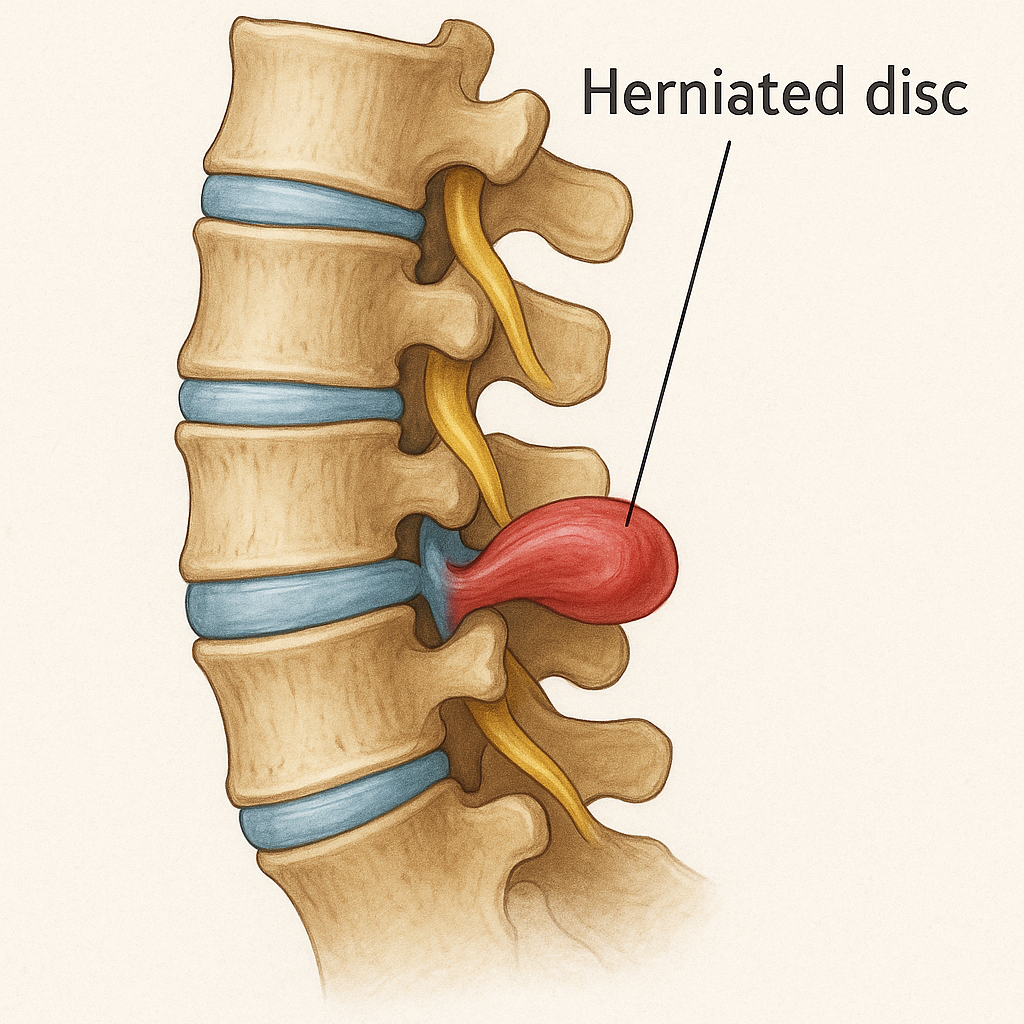
It is commonly called a herniated disc, but the precise diagnosis is lumbar intervertebral disc herniation. An intervertebral disc sits between the bones of the spine and absorbs shock. Herniation refers to the state in which the jelly-like nucleus pulposus at the center of the disc pushes through the surrounding annulus fibrosus and presses on a nerve.
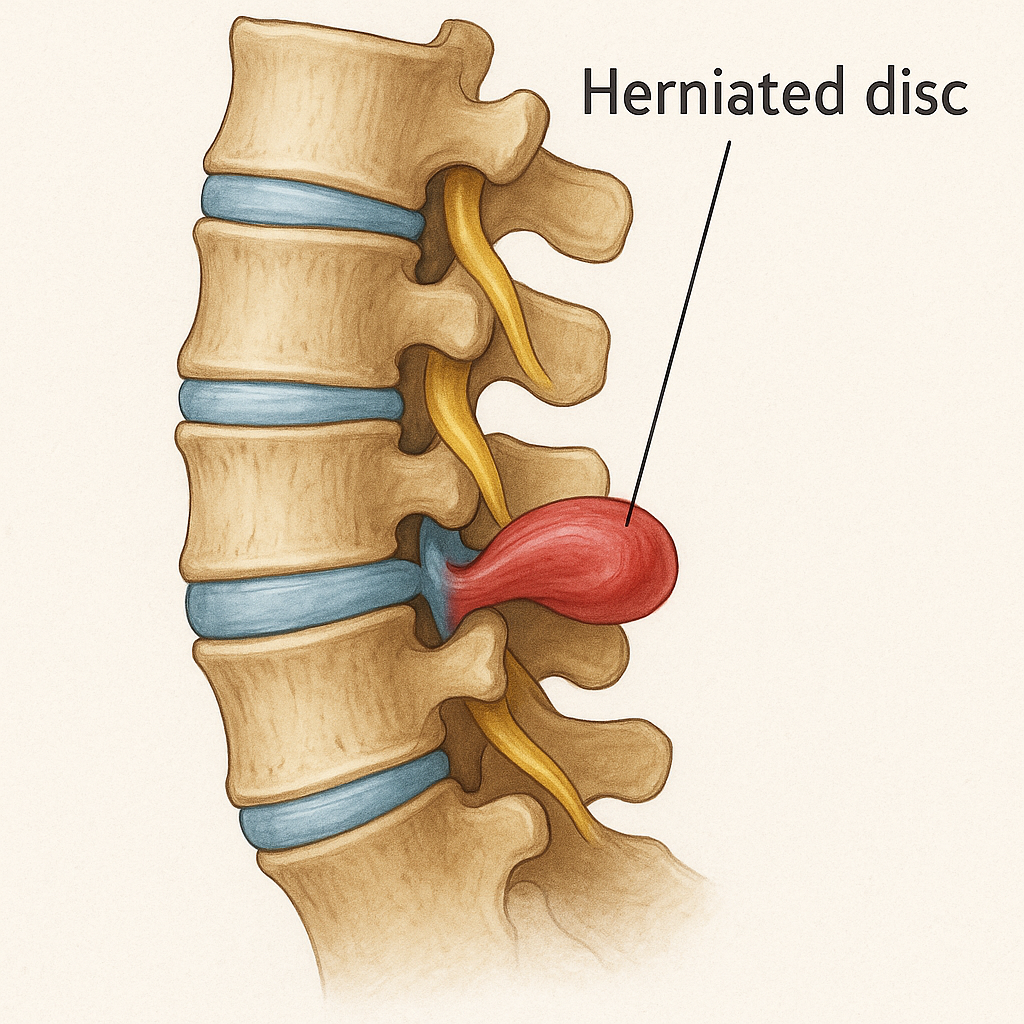
Picturing a doughnut makes this easy to understand. The outer dough is the annulus fibrosus, and the cream inside is the nucleus pulposus. A doughnut that has burst with the cream squeezing out is exactly what a herniated disc looks like.
What Signals Does a Herniated Disc Send?
- Lower back pain
- Radiating pain that travels from the buttocks down through the thigh and calf to the foot
- Leg numbness and abnormal sensations
- In severe cases, weakness in the legs that makes walking difficult
In many cases, only the lower back hurts at first, and over time the symptoms spread toward the legs.
Causes and Risk Factors of a Herniated Disc
Today's lifestyle of sitting for long periods, the habit of lifting heavy objects with poor posture, and lack of exercise are major causes of a herniated disc. Specifically, the following factors play a role.
- Poor posture, such as sitting hunched over for a long time or lifting objects while twisting the body
- Repeatedly lifting heavy objects
- Weakened abdominal and back muscles from lack of exercise
- Disc degeneration that comes with age
- Lifestyle factors such as smoking and obesity
From Manual Therapy to Surgery: Treating a Herniated Disc
Conservative treatment comes first. Medication, physical therapy and manual therapy are used to control pain, together with exercise therapy such as lumbar stabilization exercises and stretching. Lifestyle correction, such as improving posture and managing weight, is also part of conservative treatment.
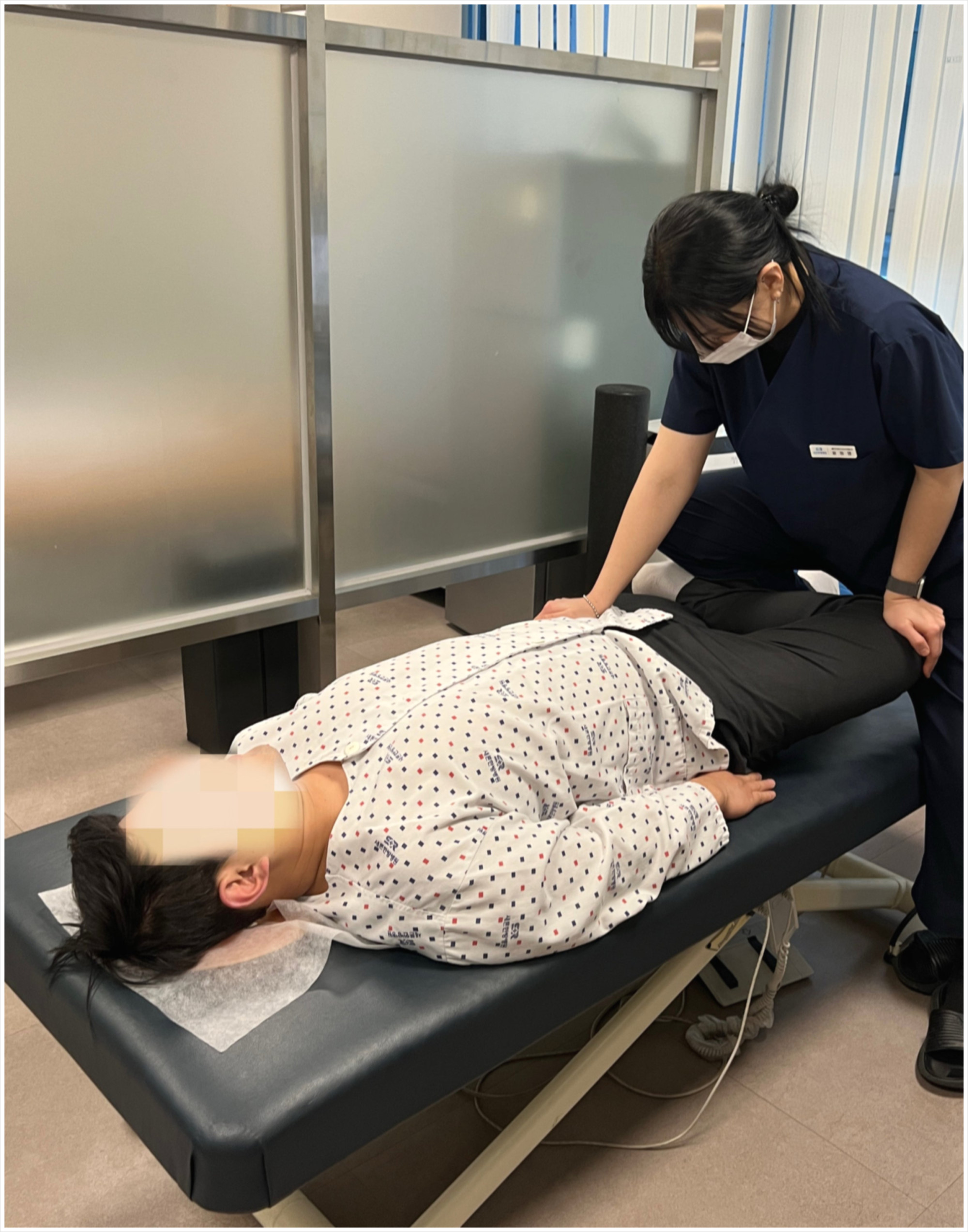
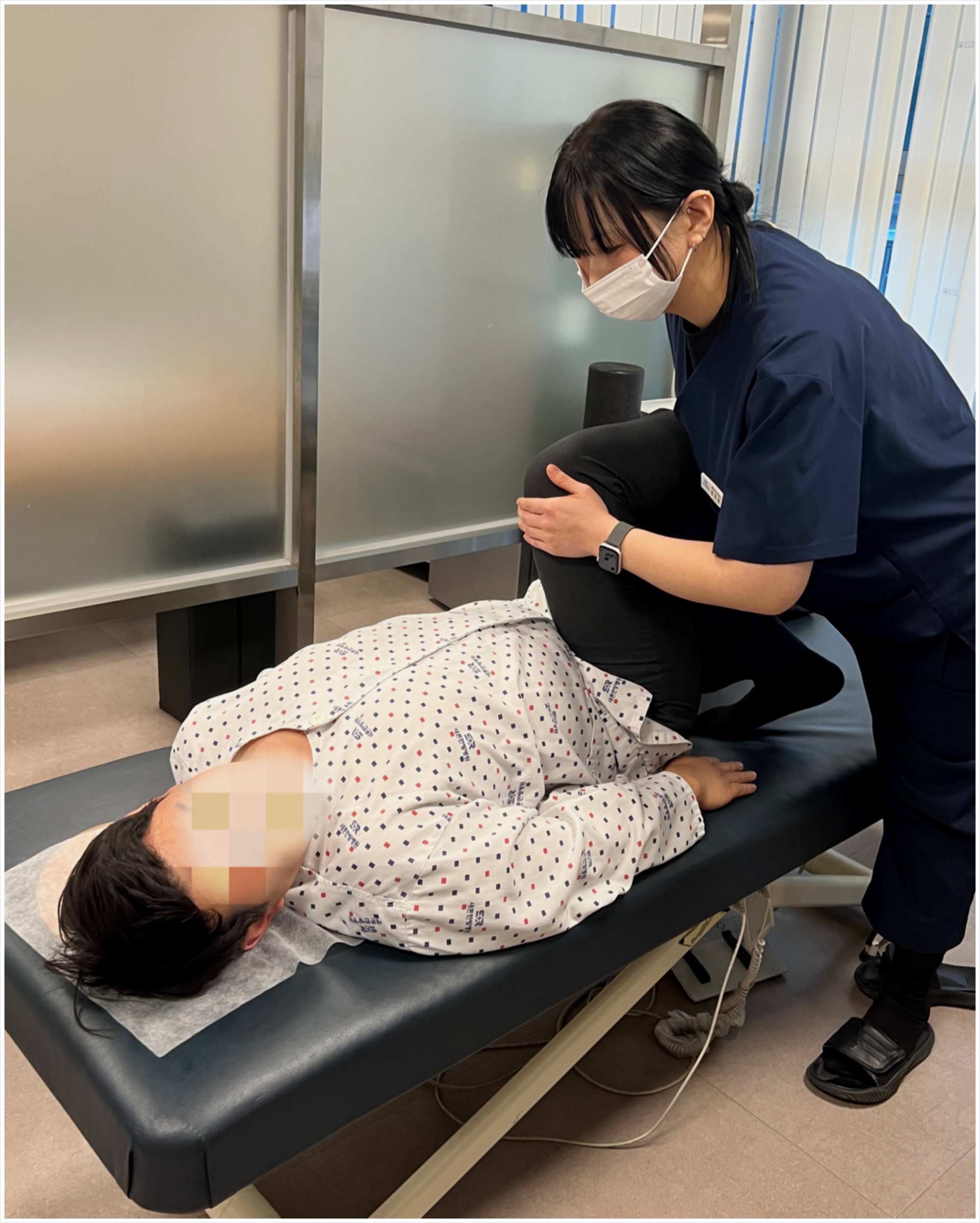
Manual therapy
Interventional treatment includes injection therapy. When pain is severe, injections such as nerve blocks can ease the symptoms.
Surgical treatment may be needed when symptoms are severe enough to cause leg weakness or do not improve with conservative treatment.
Prevention and Care Habits
- Making a habit of sitting with your back straight
- Managing weight to reduce abdominal fat
- Strengthening core muscles with planks, bridges and light walking
- Lifting heavy objects by bending your knees instead of your back
Once the back is injured, recovery takes a long time, so it is good to remember the saying that prevention is the best treatment.
In Summary
A herniated disc may feel frightening, but with early diagnosis, appropriate treatment and management through exercise, it can improve considerably. If back pain keeps coming back or leg numbness persists, do not put it off and see a specialist.
Last reviewed : 2026-10-14 This article contains general medical information. Individual diagnosis and treatment plans are decided through an in-person consultation.
Start Your Skin Consultation Today
Reach us via KakaoTalk, Naver booking, or call 032-423-3650. Open on Sundays and holidays.