
Dual Toning and Winter Dark Spot Removal
Pairing pigment-breaking laser toning with dermis-renewing Genesis Toning helps clear dark spots while protecting skin health.
It is easy to assume that melasma and dark spots will all disappear as long as you get enough laser toning sessions, but actual results vary greatly with skin condition. Dual Toning, which adds dermis-renewing Genesis Toning to pigment-breaking laser toning, is a way to narrow that gap. Medical Director Lee Yoo-jin of Saeron Korean Medicine Hospital explains why winter is a good time to remove dark spots, how Q-switched Nd:YAG lasers and pico lasers differ, and why Dual Toning is recommended.
Why Winter Is a Good Time to Remove Dark Spots
Dark spots such as melasma and freckles react sensitively to UV rays. Focused laser toning treatment in winter, when UV rays are weaker, therefore helps lower the recurrence rate and also reduce PIH (post-inflammatory hyperpigmentation) that can appear after the procedure.
In midsummer, by contrast, when the sun is strong, even a well-performed treatment can be undone if aftercare slips a little and the skin is exposed to direct sunlight: spots you worked hard to lighten can quickly come back. That is why UV rays are considered the biggest enemy in skin care.
What Is Laser Toning?
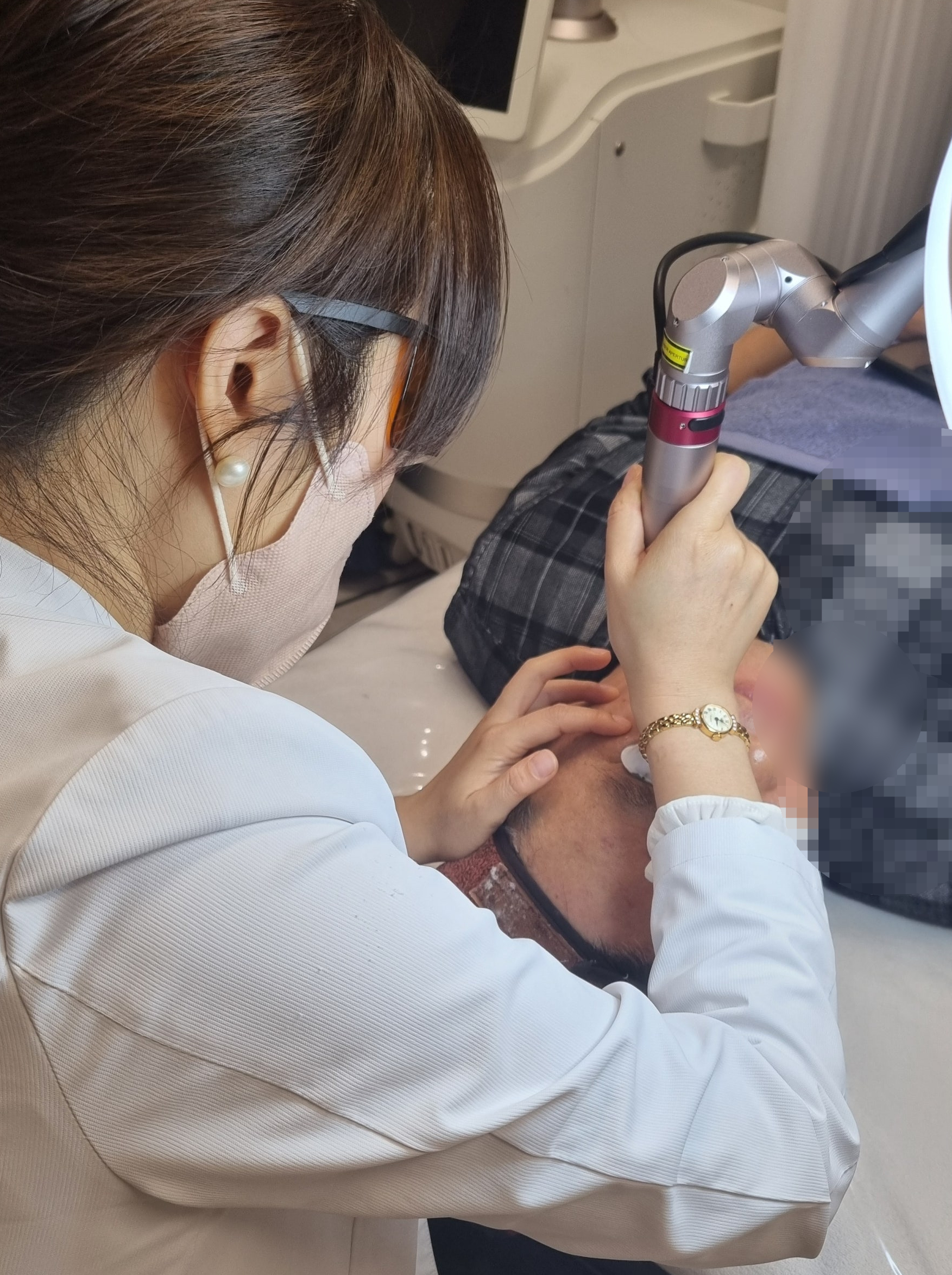
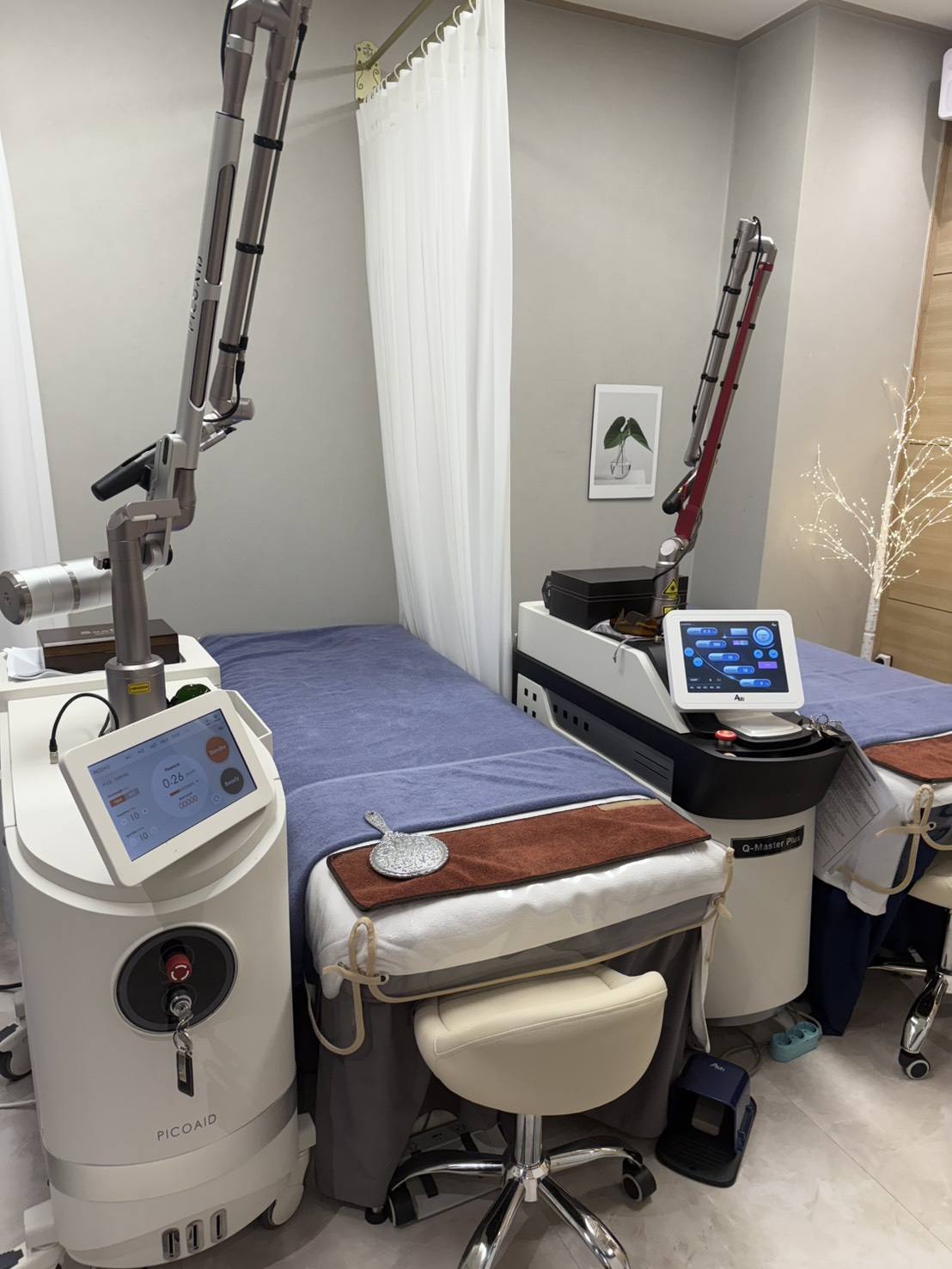
Laser toning is a laser procedure that uses a Q-switched Nd:YAG laser and a pico laser to lighten pigment such as melasma, dark spots, freckles and lentigines, and to brighten skin tone. It is often called a pigment eraser. Saeron Korean Medicine Hospital has both Q-switched Nd:YAG lasers and pico lasers used for pigment treatment.
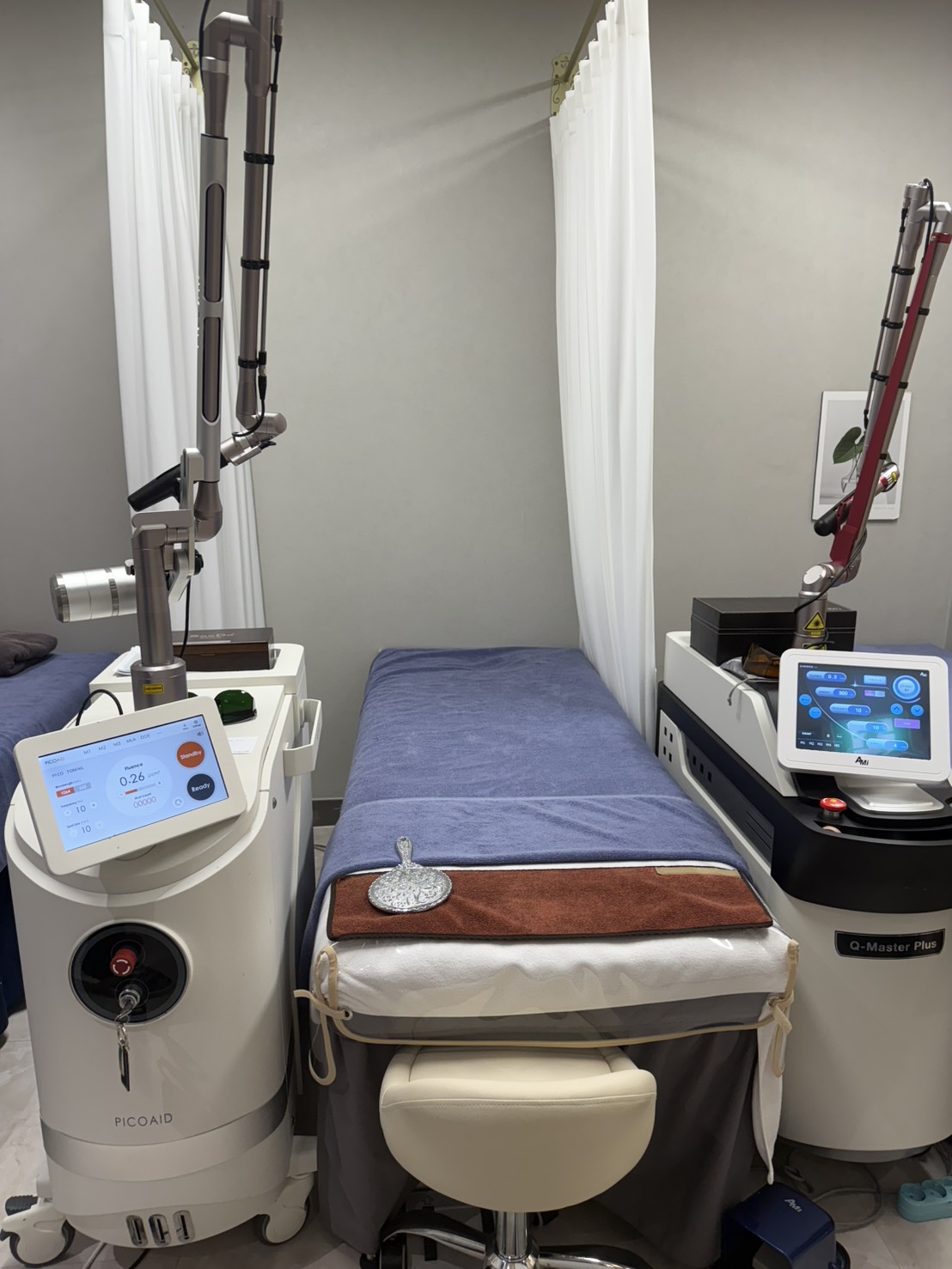
It is known that dark spots such as melasma and lentigines tend to form when melanin production increases or the number of melanocytes grows. When melanin is heavily concentrated, starting with a standard Q-switched Nd:YAG laser may be more effective.
Q-switched Nd:YAG and Pico: The Difference Between a Hammer and an Awl
Broadly speaking, the difference between the two lasers is one of speed, that is, how fast they deliver energy. If the Q-switched Nd:YAG laser is like a hammer that breaks up large clumps of pigment, the pico laser is closer to a fine awl that precisely breaks small pigment particles one by one.
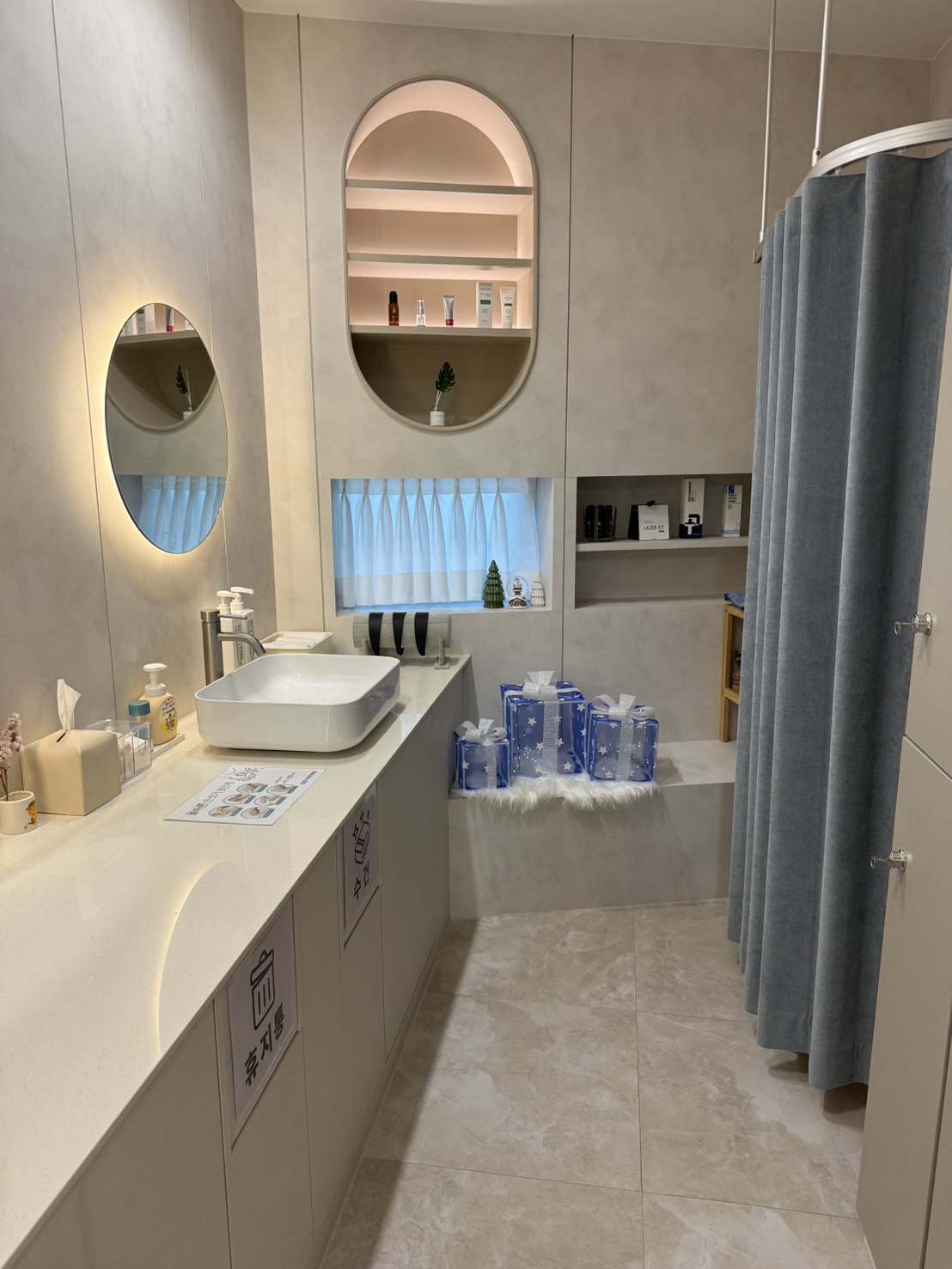
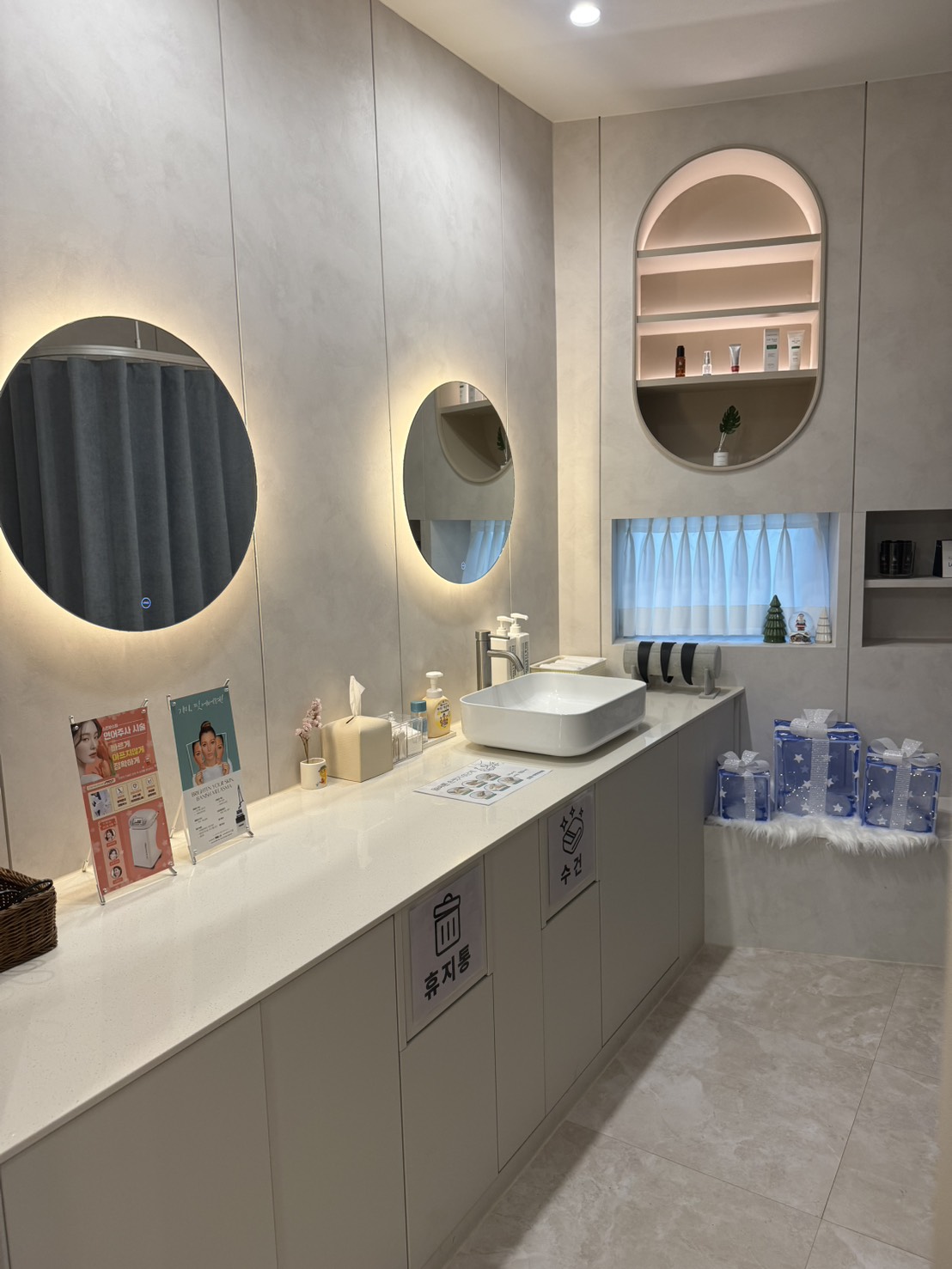
In the end, it comes down to whether the dark spots on your face should be broken with a hammer or an awl, and it is best to decide after a detailed consultation based on skin analyzer imaging. Depending on the skin layer being targeted, treatments sometimes alternate, with a standard nano Q-switched Nd:YAG one time and a pico laser the next. For pigment located deep in the dermis, the Q-switched Nd:YAG laser may be somewhat more effective.
For a face with many dark spots and much pigment, rather than relying on a single laser, repeated sessions with two laser toning devices may help remove them more cleanly and safely while lowering the recurrence rate.
Does More Toning Always Mean Clearer Skin?
Unfortunately, not for every skin type. We explain possible side effects in advance to anyone starting laser toning: the skin may become sensitive, thinner and drier. Of course, depending on the skin, some people do not experience these changes.
In the clinic, we often hear that skin became sensitive and thin, or that dryness got worse, after laser treatment. Conversely, it is also not uncommon to hear that dark spots stayed the same after several toning sessions, or that melasma actually got darker.
Laser toning clearly helps break up pigment, but because these side effects can follow, we recommend combining it with other treatments that strengthen the skin barrier and boost dermal regeneration. Also, depending on laser intensity and the practitioner's technique, there may be no change or things may even get worse, so it is important to receive treatment tailored to your skin condition at each visit, after skin analyzer imaging and a thorough consultation.
Why Genesis Toning Is Added
Genesis Toning is a laser procedure that stimulates collagen production to support dermal regeneration. It can be expected to improve elasticity, reduce pores, refine skin texture, ease pigment such as melasma and dark spots, and ease redness. Supporting dermal regeneration simply means making the skin healthier. Genesis Toning eases the side effects of sensitivity and thinning after laser toning while boosting the effect of laser toning.
Receiving laser toning and Genesis Toning together in this way is called Dual Toning. Dual Toning can help remove dark spots while protecting skin health. For people with severe redness and sensitivity, Genesis Toning is sometimes performed on its own, as it is a laser procedure that is relatively gentle and safe.
That said, it is hard to expect dramatic change from a single Genesis Toning session. It has both strengths and weaknesses. On the plus side, because it is gentle, it can be received frequently at short intervals, which can shorten the overall treatment period.


Dual Toning Key Points
- Winter, when UV rays are weak, is a favorable time to reduce recurrence and pigmentation after removing dark spots.
- Q-switched Nd:YAG lasers and pico lasers are chosen or alternated according to the size and depth of the pigment.
- Dual Toning adds the dermal regeneration of Genesis Toning to the pigment removal of laser toning to reduce the burden on the skin.
Skin becomes healthier the more consistently you care for it. Rather than feeling down about melasma, dark spots and redness, we hope you build clearer skin with a Dual Toning plan suited to your skin.
Author : Medical Director Lee Yoo-jin, Saeron Korean Medicine Hospital (Korean medicine doctor), Profile Last reviewed : 2026-10-14 This article contains general medical information. Individual diagnosis and treatment plans are decided through an in-person consultation.
Start Your Skin Consultation Today
Reach us via KakaoTalk, Naver booking, or call 032-423-3650. Open on Sundays and holidays.