
Manual Therapy in Nonhyeon-dong, Incheon: Winter Ankle Injuries
Cold, icy paths and less activity leave ankles vulnerable in winter, so early care and manual therapy matter.
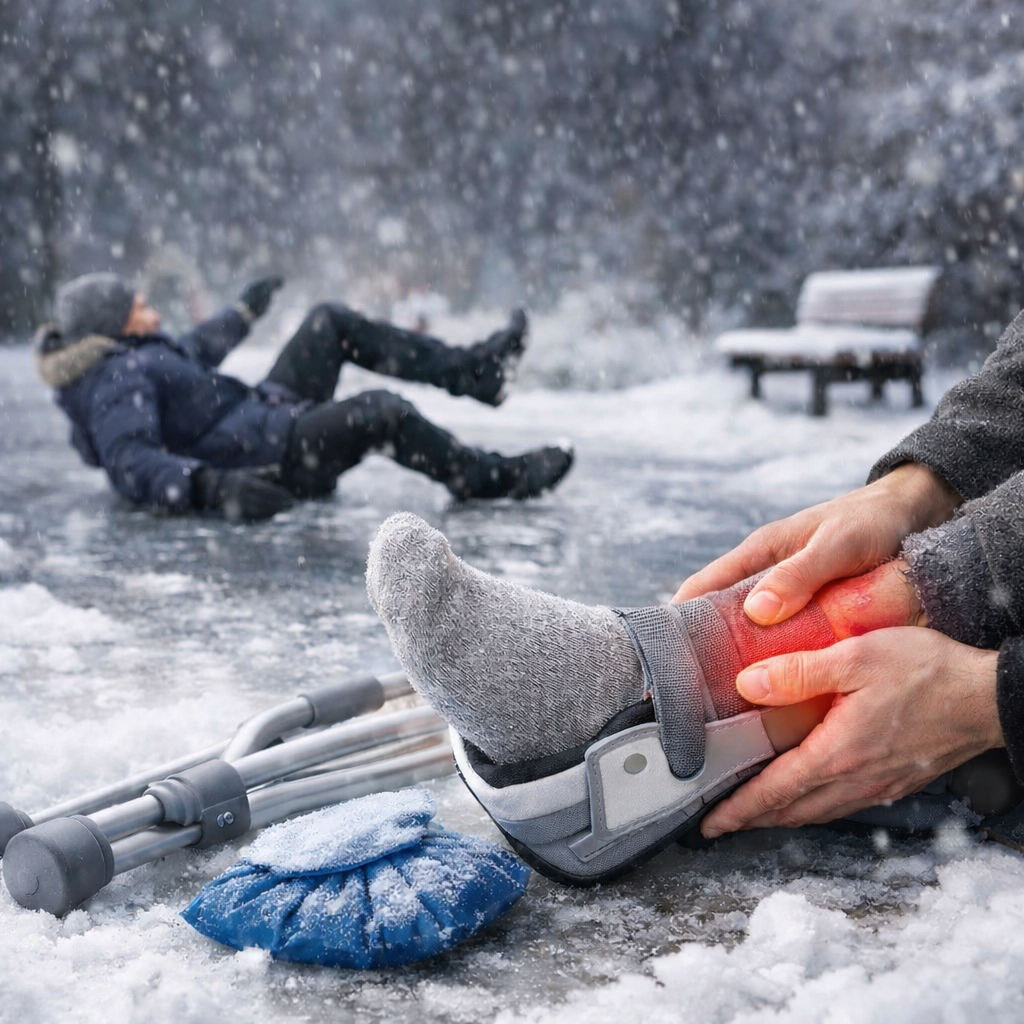
Ever wondered why you keep rolling your ankle, or why it feels oddly achy, every winter? When cold weather, icy paths and reduced activity come together, ankle injuries rise noticeably in winter. In this installment of our manual therapy series from Nonhyeon-dong, Incheon, we look at why ankle injuries become more frequent in winter, which areas are hurt most often, and how manual therapy supports recovery.
Four Reasons Ankle Injuries Increase in Winter
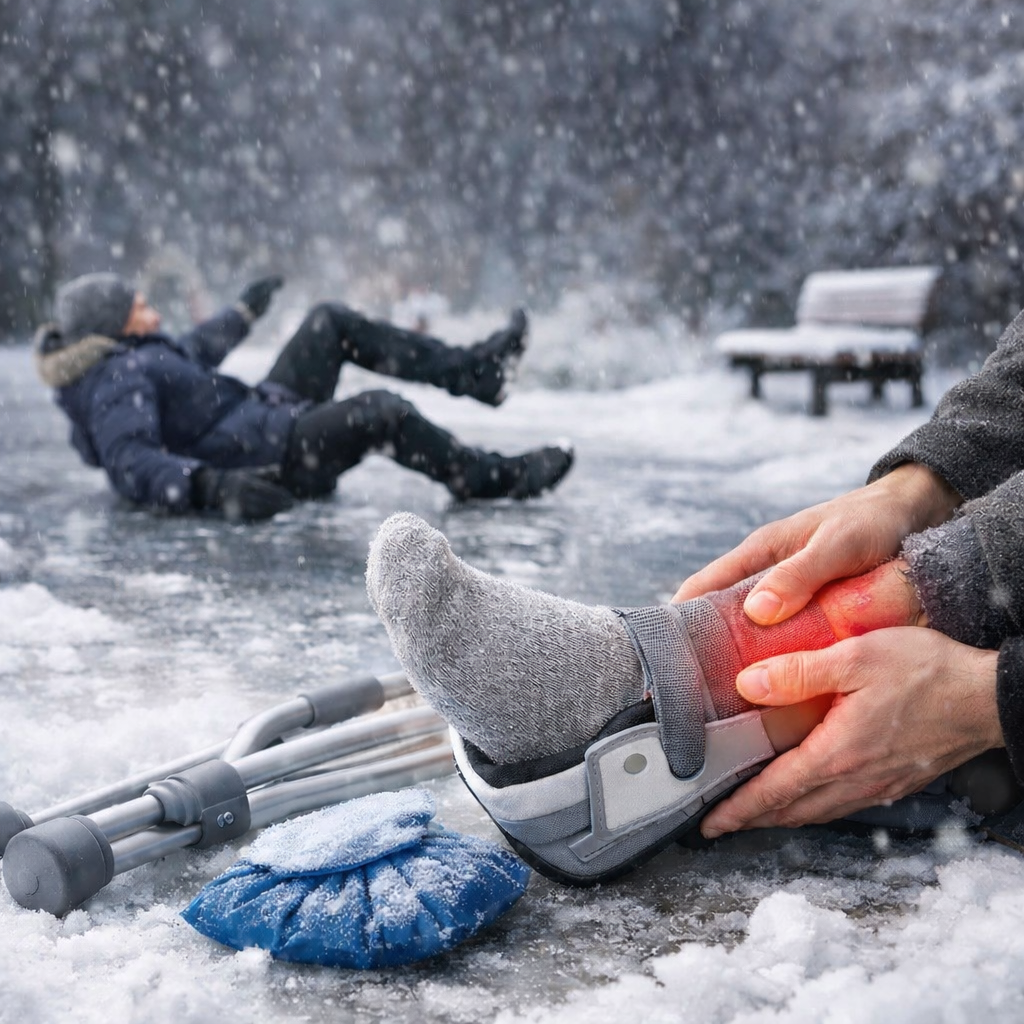
Muscles and ligaments stiffen in the cold. As temperatures drop, muscles and ligaments tighten and become stiff. They then hold up less well during sudden movements, and their ability to support your body weight in an instant also drops, making it easier to roll an ankle.
Icy paths and de-icer residue. This is the most common cause of winter ankle injuries. Thin layers of ice (black ice) on roads, sidewalks and parking lots easily lead to falls in which the ankle bends sideways.
Less exercise. As you spend more time at home and move less, the calf muscles you normally use weaken, and ankle stability drops accordingly.
Dehydration from heavy heating. Warm indoor air also tends to be dry, which lowers the body's fluid levels and reduces lubrication inside the joints, so even a small impact can feel more painful.
Commonly Injured Areas of the Ankle
Lateral ligament (ATFL, CFL) injury and tear. This is the site most commonly injured in an ankle sprain. When the foot turns inward, the ligaments near the outer ankle bone can stretch or tear.
Ankle tenosynovitis. It develops in tendons such as the posterior tibial tendon or the peroneus longus tendon. It occurs as repeated strain builds up from the small, constant effort the ankle makes to keep balance on icy ground.
Ankle impingement syndrome (anterior, posterior). Swelling or repeated sprains cause tissues around the joint to press against each other, producing pain.
How Can Manual Therapy Help?
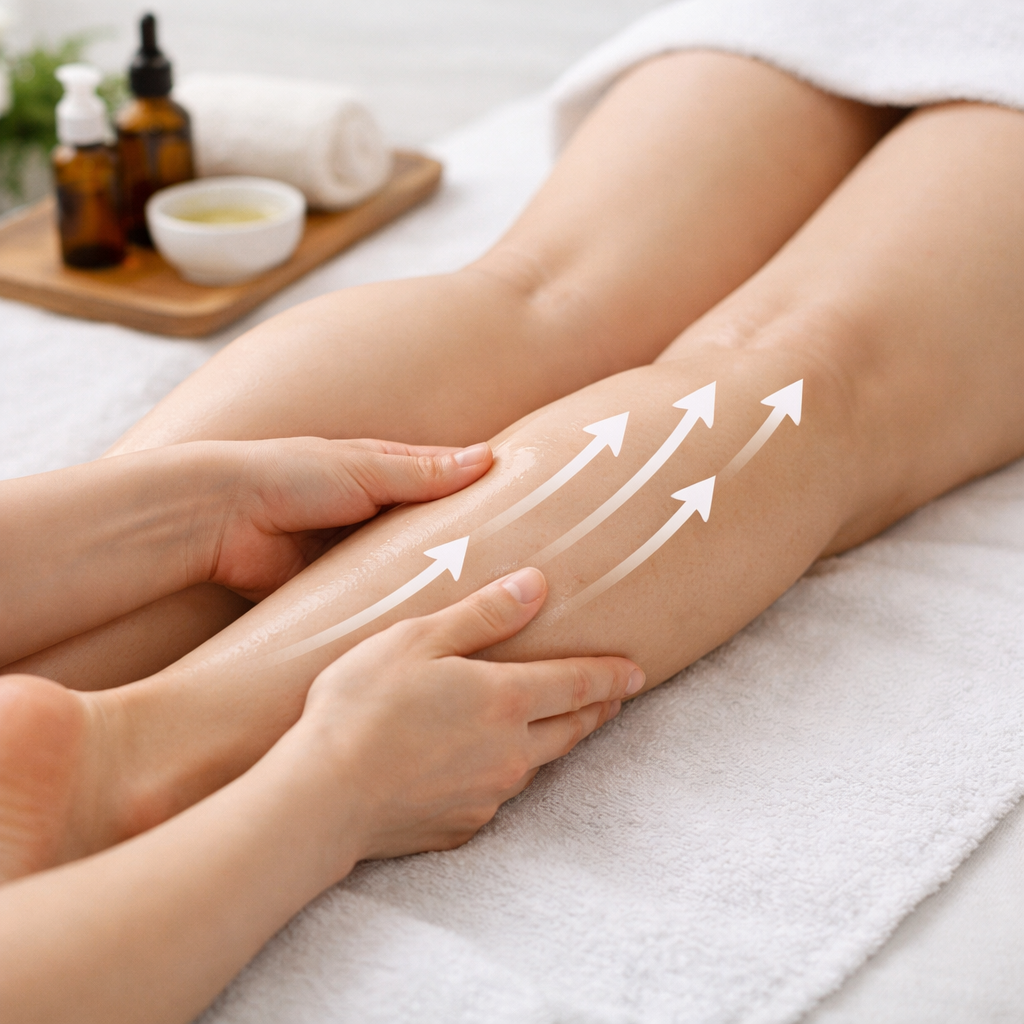
- Easing swelling and pain: Lymphatic massage reduces swelling, and releasing tense fascia improves blood flow. This helps lower pain in the early stage of an injury and speed up recovery.
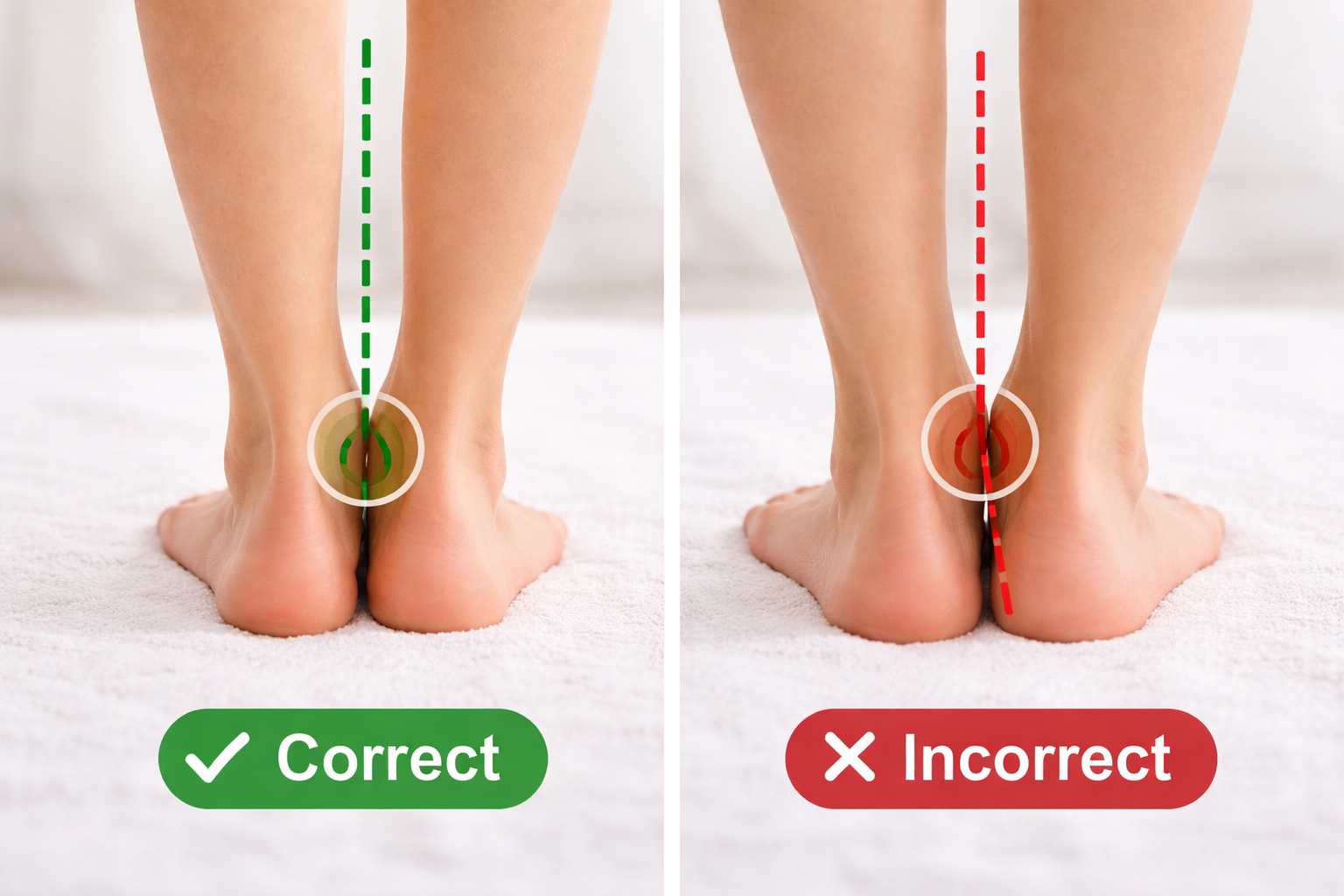
- Correcting misaligned ankles: Frequent sprains make it easy for the talus to shift slightly forward. Correcting this alignment through manual therapy improves ankle stability.
-
Restoring joint mobility: Gently loosening ligaments and muscles that have contracted in the cold helps restore your range of motion. Restoring the joint movement that bends the ankle upward is especially important.
-
Guidance on ankle stabilization exercises: Treatment does not stop at hands-on correction. It also includes strengthening the muscles around the ankle, balance training and exercises to prevent recurrence, helping you avoid rolling the ankle again.
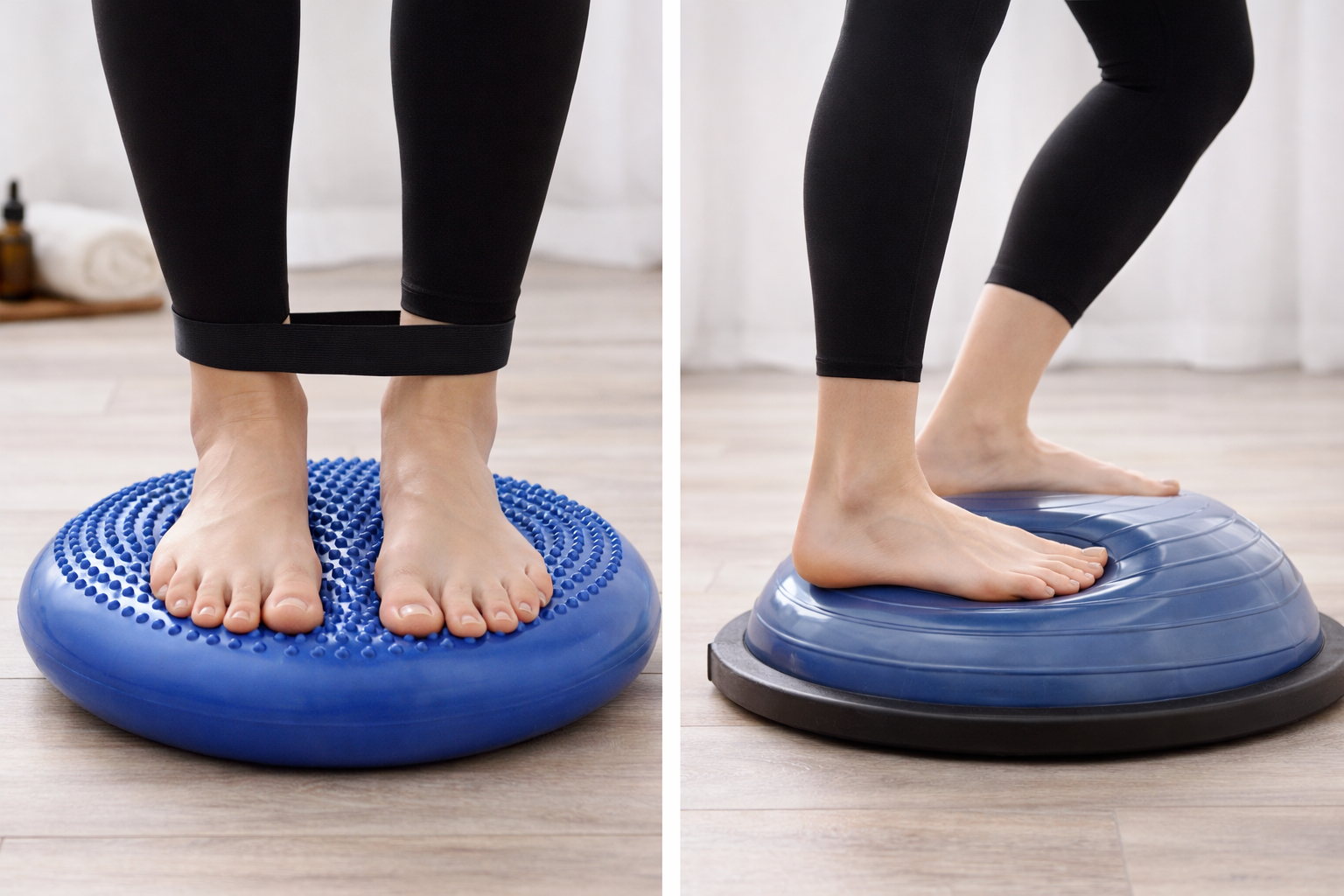
- Preventing chronic sprains: People who have sprained an ankle several times tend to have stretched ligaments and slower muscle reactions. Combining alignment through manual therapy with exercise makes the ankle noticeably more stable and helps reduce the risk of recurrence.
Don't Ignore Early Ankle Pain
In winter, environmental factors such as cold and ice combine with physical factors such as reduced muscle strength, making ankle injuries more frequent. Left alone, early ankle pain can easily lead to chronic sprains or joint instability, so prompt care and manual therapy suited to your condition can greatly help recovery.


Last reviewed : 2026-10-14 This article contains general medical information. Individual diagnosis and treatment plans are decided through an in-person consultation.
Start Your Skin Consultation Today
Reach us via KakaoTalk, Naver booking, or call 032-423-3650. Open on Sundays and holidays.