Manual Therapy in Nonhyeon-dong, Incheon: How Shockwave Therapy Works
Extracorporeal shockwave therapy is not a quick fix for pain; it gives slow-healing tendons and ligaments a push toward recovery.
Many people think of extracorporeal shockwave therapy as treatment that just suppresses pain for a while, but in fact it focuses on speeding up the process by which damaged tissue recovers. If shoulder, elbow or heel pain has continued for a long time even though you do not remember any particular injury, you may consider extracorporeal shockwave therapy. Following our earlier story on manual therapy in Nonhyeon-dong, Incheon, we introduce the principles and effects of extracorporeal shockwave therapy for people struggling with chronic pain.
What is extracorporeal shockwave therapy?
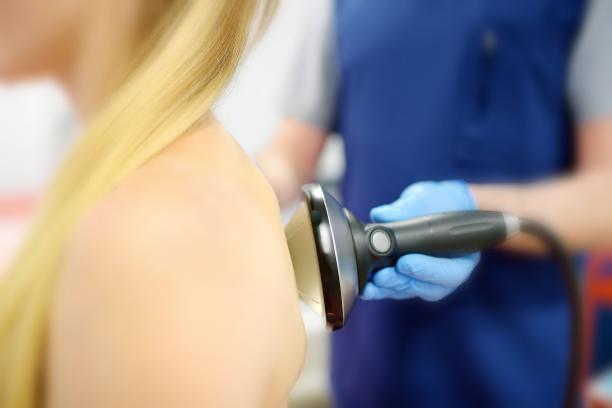
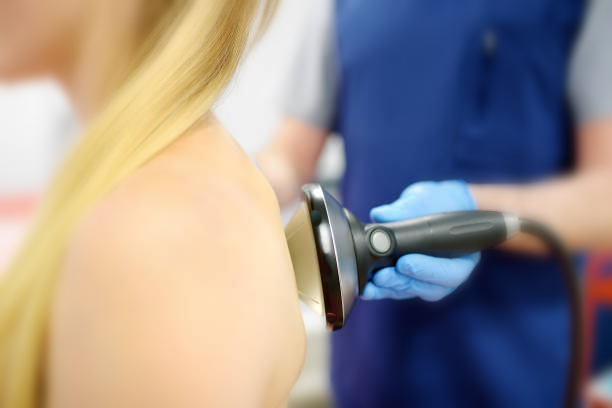
Extracorporeal shockwave therapy stimulates the area causing the pain to help it recover on its own. Recently, more and more people have been seeking extracorporeal shockwave therapy for shoulder, elbow and heel pain.
How does it work?
The principle of extracorporeal shockwave therapy is to deliver high-energy sound waves, in other words shockwaves, to the painful area. This brings about the following changes.
- Increased blood flow
- Faster tissue regeneration
- An improved chronic inflammatory environment
- Less stimulation of the nerves that cause pain
It is especially effective for tendons and ligaments with poor blood circulation, so it is widely used for patients with chronic pain.
Pain conditions treated with extracorporeal shockwave therapy
- Tennis elbow, golfer's elbow
- Plantar fasciitis (heel pain)
- Calcific tendinitis
- Rotator cuff disorders
- Achilles tendon pain
- Chronic myofascial pain syndrome
It is especially helpful for chronic pain that has not improved with medication, injections or physical therapy.
Advantages of extracorporeal shockwave therapy
It can be done without surgery, and each session is short, usually about 5~15 minutes. You can return to daily life right after treatment, and you can expect the effects to build up with repeated sessions. It varies with each person's condition, but it is often done once a week for about 3~5 sessions.
Does the treatment hurt?
To be honest, it can hurt. Because of the nature of shockwaves, it is natural to feel stimulation in the painful area, and the more damaged the area, the more painful it feels. However, the intensity can be adjusted, and the pain gradually decreases as the tissue regenerates after treatment.
Results depend on who does it and how
Extracorporeal shockwave therapy is not a treatment that works just because the equipment is there. The whole process decides the outcome: analyzing the exact cause of the pain, deciding the area and depth to treat, adjusting the intensity and number of sessions, and judging whether to combine it with other treatments.
Extracorporeal shockwave therapy creates a turning point for recovery in long-repeated pain or in tendon and ligament pain that is slow to heal. It can be a good option for people who have not had results from medication or who are hesitant about injection treatment. Rather than enduring the pain, get a consultation to identify the cause and discuss whether the principles of extracorporeal shockwave therapy fit your condition.


Last reviewed : 2026-10-14 This article provides general medical information. Individual diagnosis and treatment plans are decided through an in-person consultation at the hospital.
Start Your Skin Consultation Today
Reach us via KakaoTalk, Naver booking, or call 032-423-3650. Open on Sundays and holidays.