
Age Spots: Causes and Laser Treatment
How age spots are treated by laser depends on whether only the surface has grown or pigment is mixed in, so identifying the type comes first.
If dark, slightly raised spots are gradually appearing on the back of your hands or your face, they may be age spots. Because the laser treatment for age spots differs depending on their shape, the starting point is to identify exactly which type they are. Dr. Kim Seung-yeon of Saeron Korean Medicine Hospital walks through the causes of age spots, a topic many people have been asking about lately, along with laser treatment, aftercare and prevention.
Age spots are benign skin growths
Age spots (solar lentigo, seborrheic keratosis) are benign growths that form when the keratinocytes of the epidermis multiply excessively. They are characterized by round brown or black spots with clear borders that rise above the skin. They appear on areas that get a lot of UV exposure, such as the face, the back of the hands, the neck and the torso, and are mainly seen on aging skin.
Lentigines and age spots: what is the difference?
Age spots are caused by aging and UV light
The biggest cause of age spots is aging. With heavy UV exposure on top of that, age spots can appear as early as your 40s.
Laser treatment differs by type
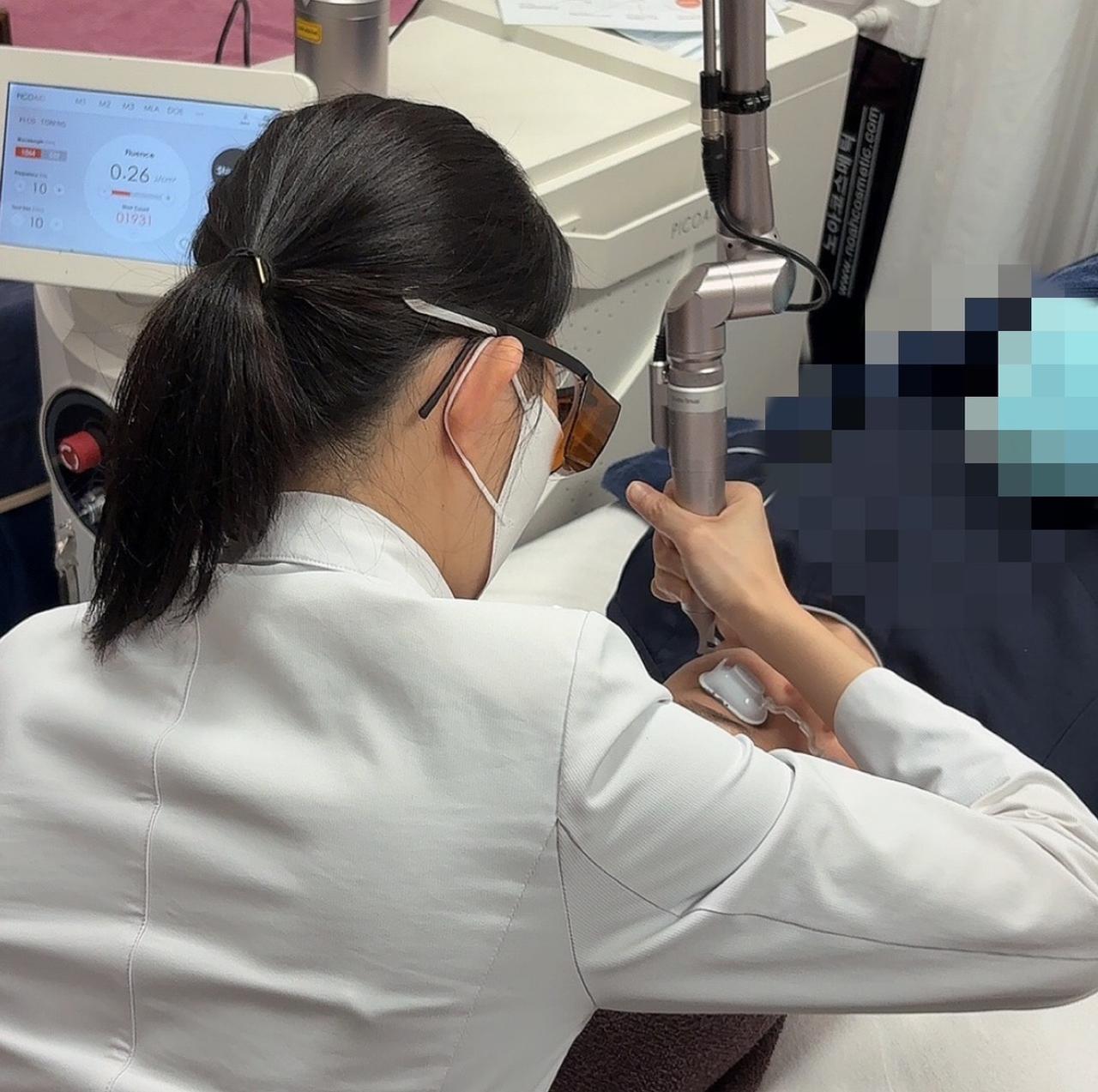
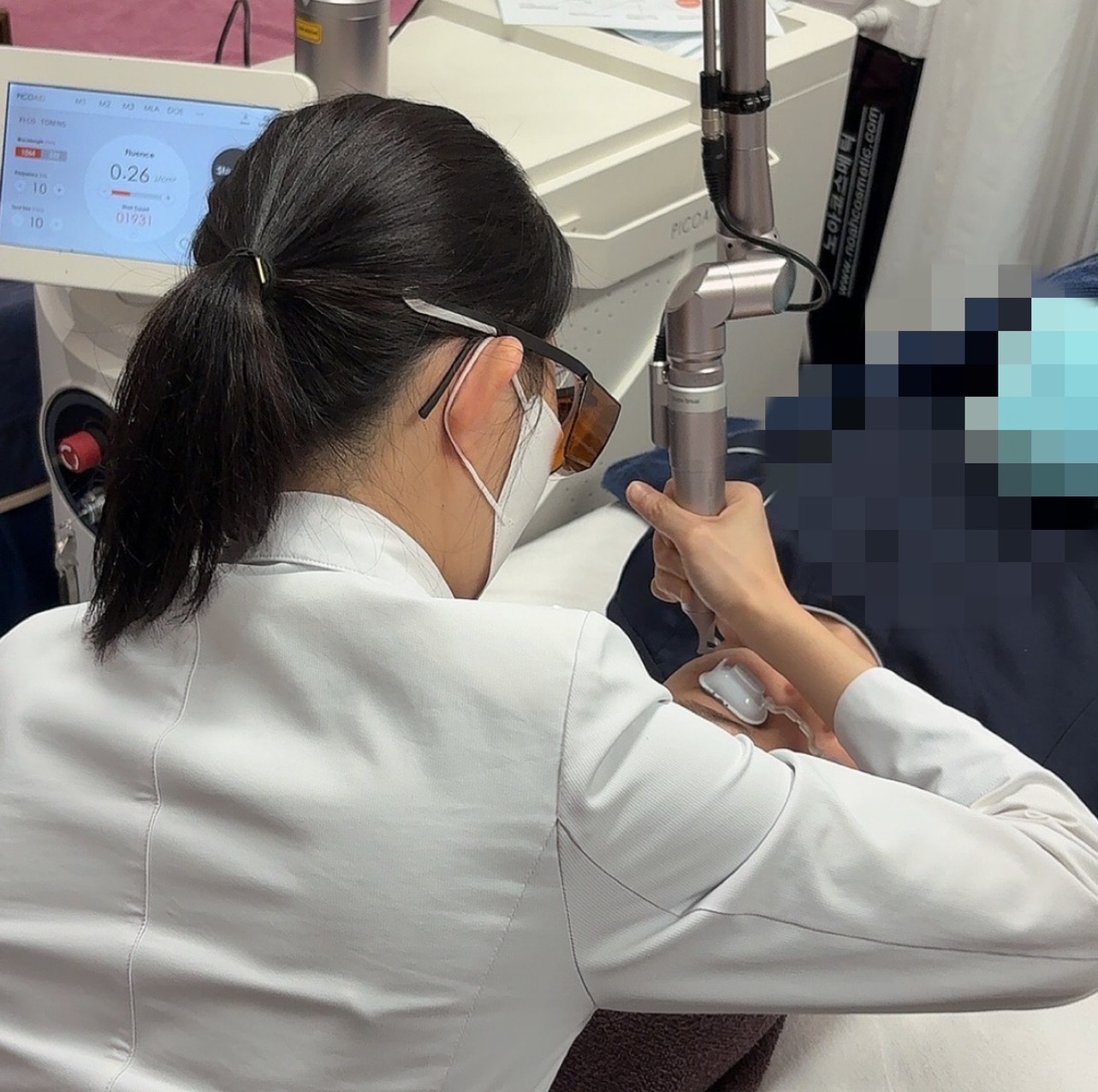
Treatment for age spots depends on the type. Age spots where only the epidermis has grown improve right away simply by shaving them off with a CO2 laser. On the other hand, for age spots that mix epidermal growth and pigment, the overgrown epidermis is first removed with a CO2 laser, followed by treatment with a laser that clears pigment.
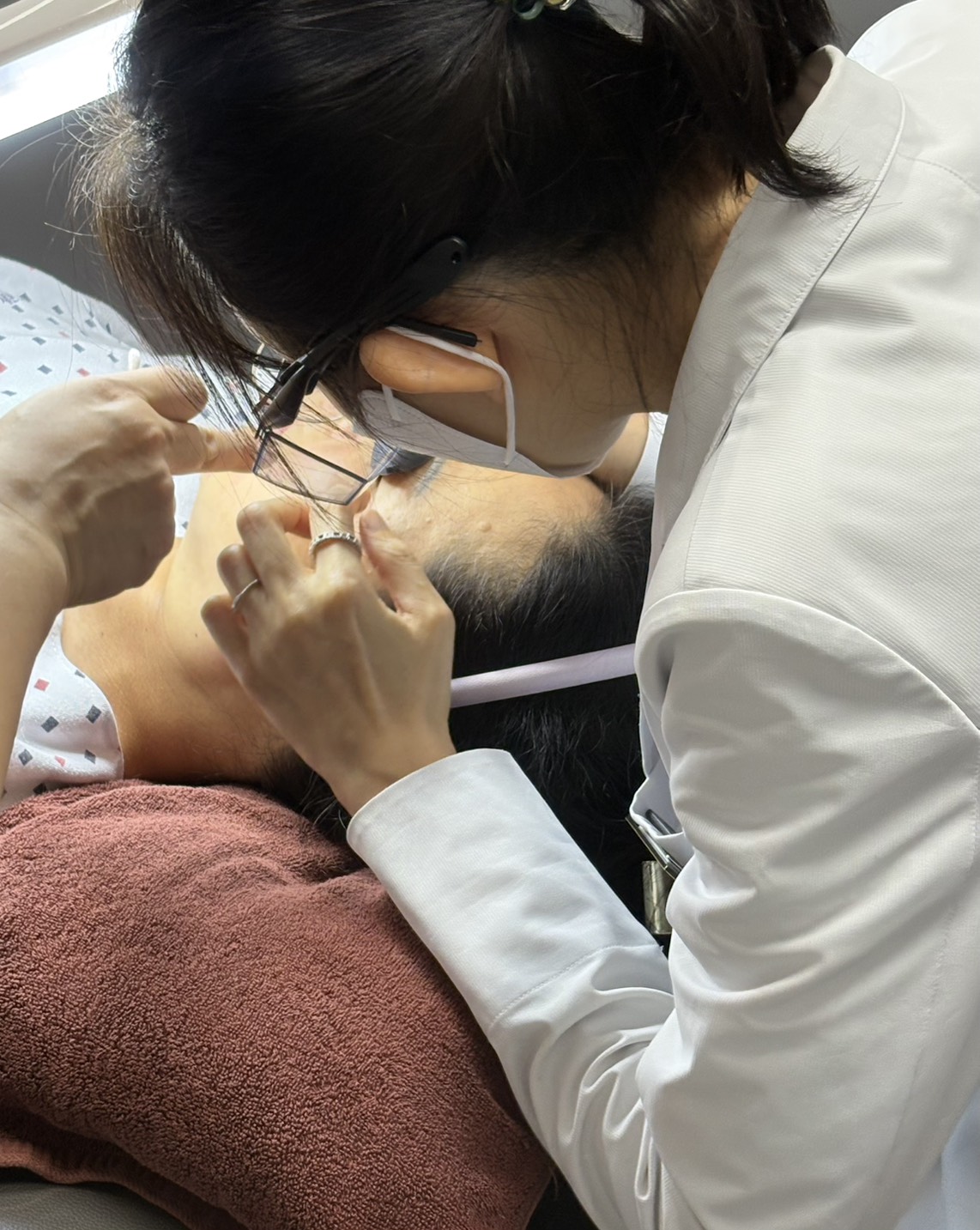
Small, shallow age spots can be removed in a single laser session, while large, deep age spots may be treated over several sessions.
How should I care for my skin after laser treatment?
After treatment we apply DuoDERM, and we recommend leaving it on for about 2 weeks. You can shower and wash your face with the DuoDERM in place. Do not force the scabs off; let them fall off on their own, and after they fall off it is important to keep the treated area away from UV light. Redness after treatment disappears after about 1~6 months.
Preventing age spots starts with sun protection
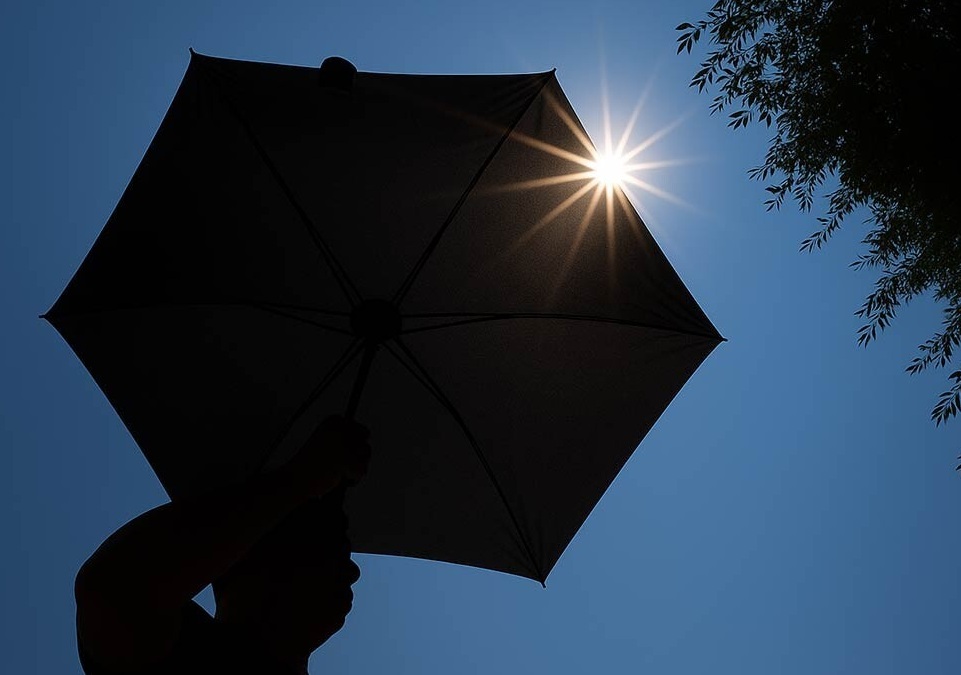
In daily life, apply sunscreen thoroughly, and on days with strong sunlight reapply it often. Even indoors, UV light comes in through windows, so it is good to wear sunscreen. Habits that keep UV exposure to a minimum, such as wearing a hat and long sleeves and using a parasol, also help.


Three things to remember
- Age spots are benign growths of proliferating keratinocytes, and aging and UV light are the main causes.
- The type where only the epidermis has grown is treated with a CO2 laser, and the type mixed with pigment is treated with a CO2 laser followed by a pigment laser.
- Caring for the treated area and protecting it from UV light are the basics of recovery and of preventing age spots, and it is best to consult thoroughly with the medical team so the lesion can be identified accurately.
Author : Dr. Kim Seung-yeon, Saeron Korean Medicine Hospital (Korean medicine doctor), Profile Last reviewed : 2026-10-14 This article provides general medical information. Individual diagnosis and treatment plans are decided through an in-person consultation at the hospital.
Start Your Skin Consultation Today
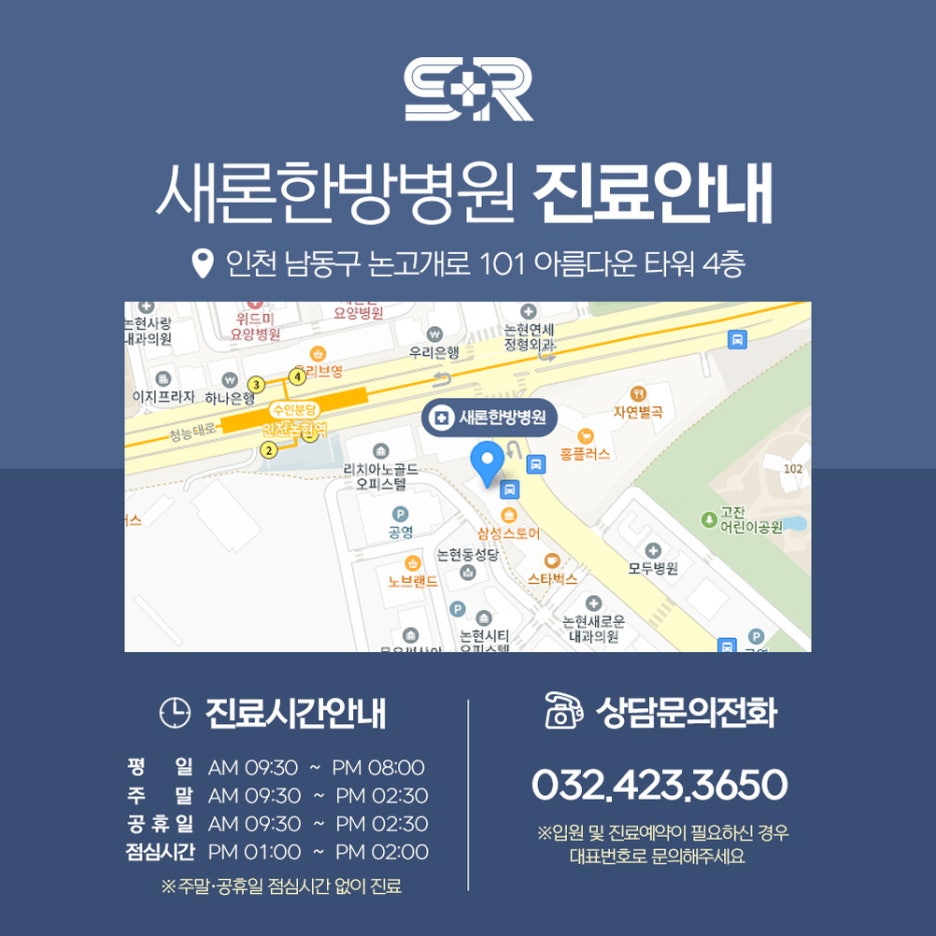
Reach us via KakaoTalk, Naver booking, or call 032-423-3650. Open on Sundays and holidays.