
Comparing Skinboosters: Exosome, PDRN and Mizuan PN
Each skinbooster has its own strength, so choose by your concern, whether that is calming breakouts, regeneration, firmness or fine lines.
With so many types of skinboosters, which one should you get for your skin? Each ingredient suits different skin concerns: Exosome is strong at calming breakouts, PDRN at regeneration and firmness, and Mizuan PN at collagen and fine lines. Dr. Kim Seung-yeon of Saeron Korean Medicine Hospital compares the effects and differences of each type of skinbooster.
What is a skinbooster?
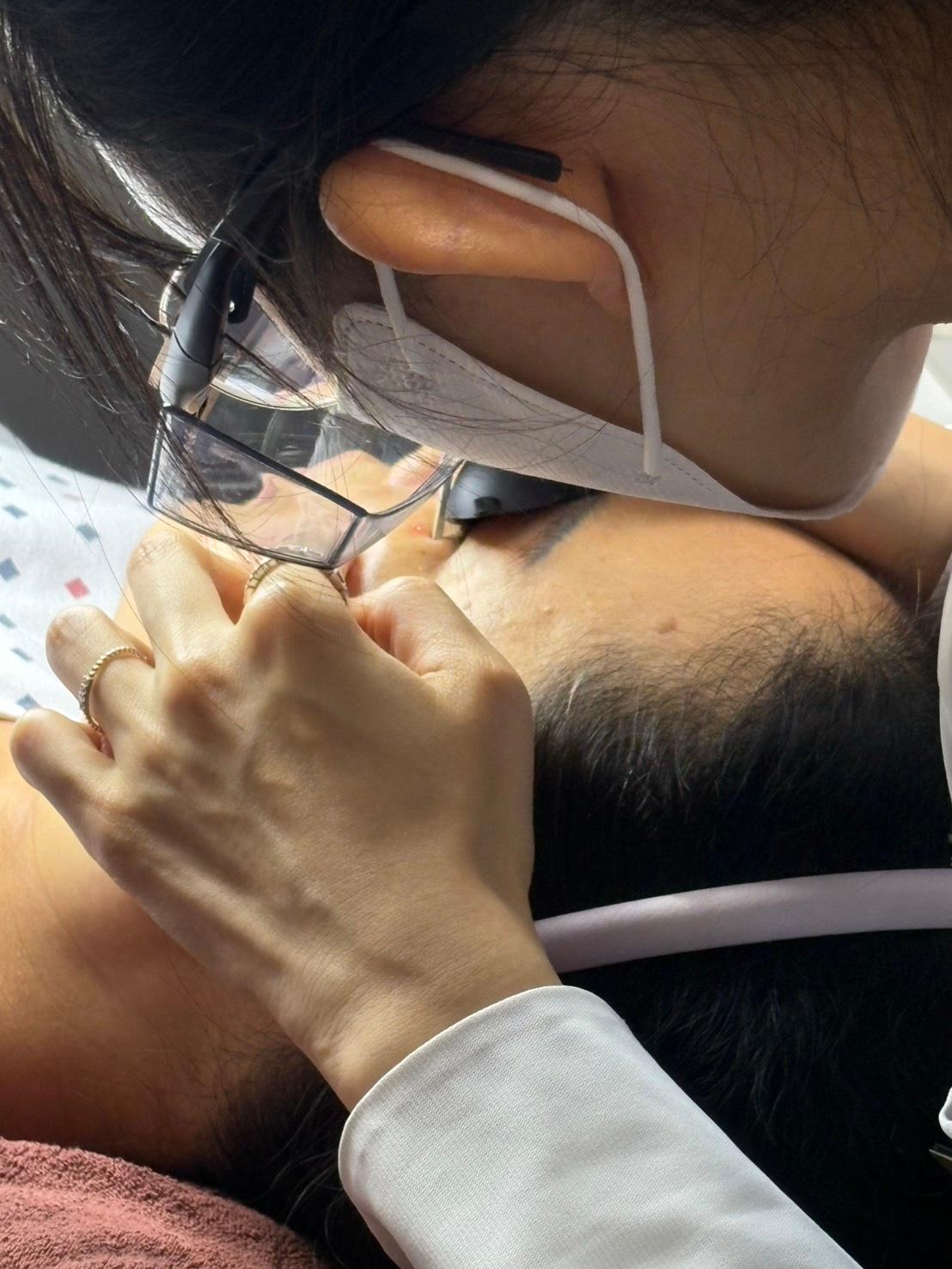
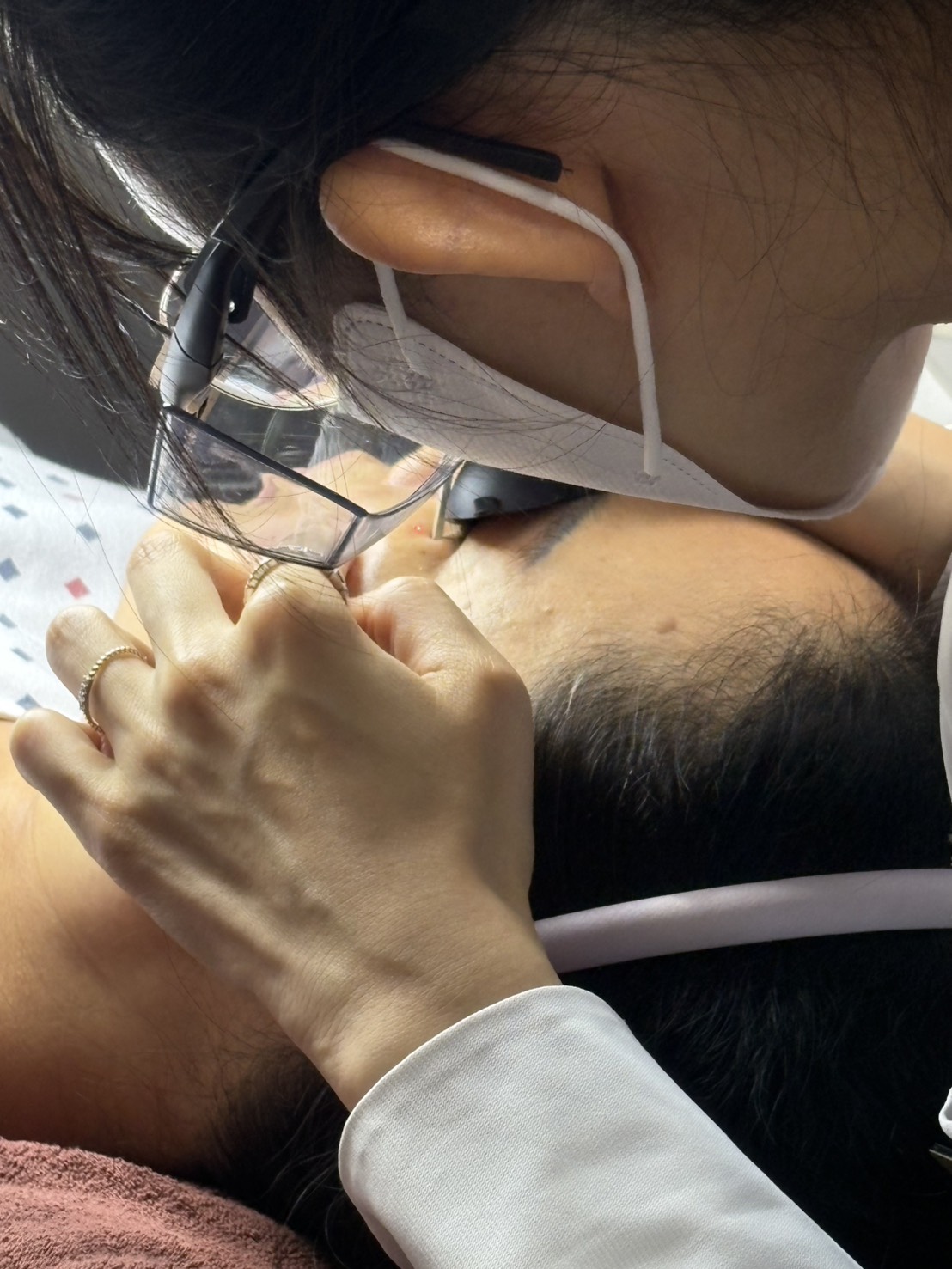
A skinbooster is an injection that delivers ingredients beneficial to the skin directly into it to help with hydration and regeneration. Unlike cosmetics, which reach only the epidermis, skinboosters deliver ingredients down to the dermis. This is why hydration and regeneration effects can be expected from the deeper layers of the skin.
Three skinboosters at a glance
Exosome: strong at calming breakouts
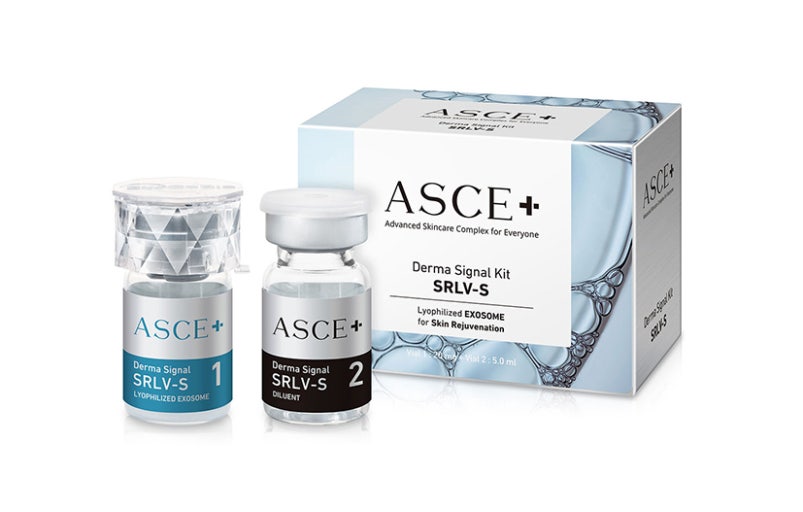
Exosome is extracted from the key substances of stem cell culture and helps signaling between cells. Its regenerative and anti-inflammatory action calms inflammation, making it effective for improving breakouts. Because Exosome is not approved as an injectable, it is used as a topical product applied to the skin. As a result no anesthesia is needed, and it is absorbed with ultrasound or LDM.
There are also several Exosome products.
- HanExo: calming breakouts
- ExoLine: brightening
- Cell Exosome: calming, regeneration and anti-inflammatory
- ASCE (derived from human stem cells): regeneration and healing
PDRN: regeneration for thin, dry skin
PDRN is an ingredient extracted from salmon that calms the skin and helps it regenerate. By increasing the thickness, density and firmness of the dermis, it helps make the skin healthy and firm. Its small particles, which absorb well into the skin, are another advantage of PDRN. It is recommended for people with inner dryness or thinned skin, people concerned about pigmentation, and people whose redness lingers after lentigo removal.
Mizuan PN: collagen and fine lines
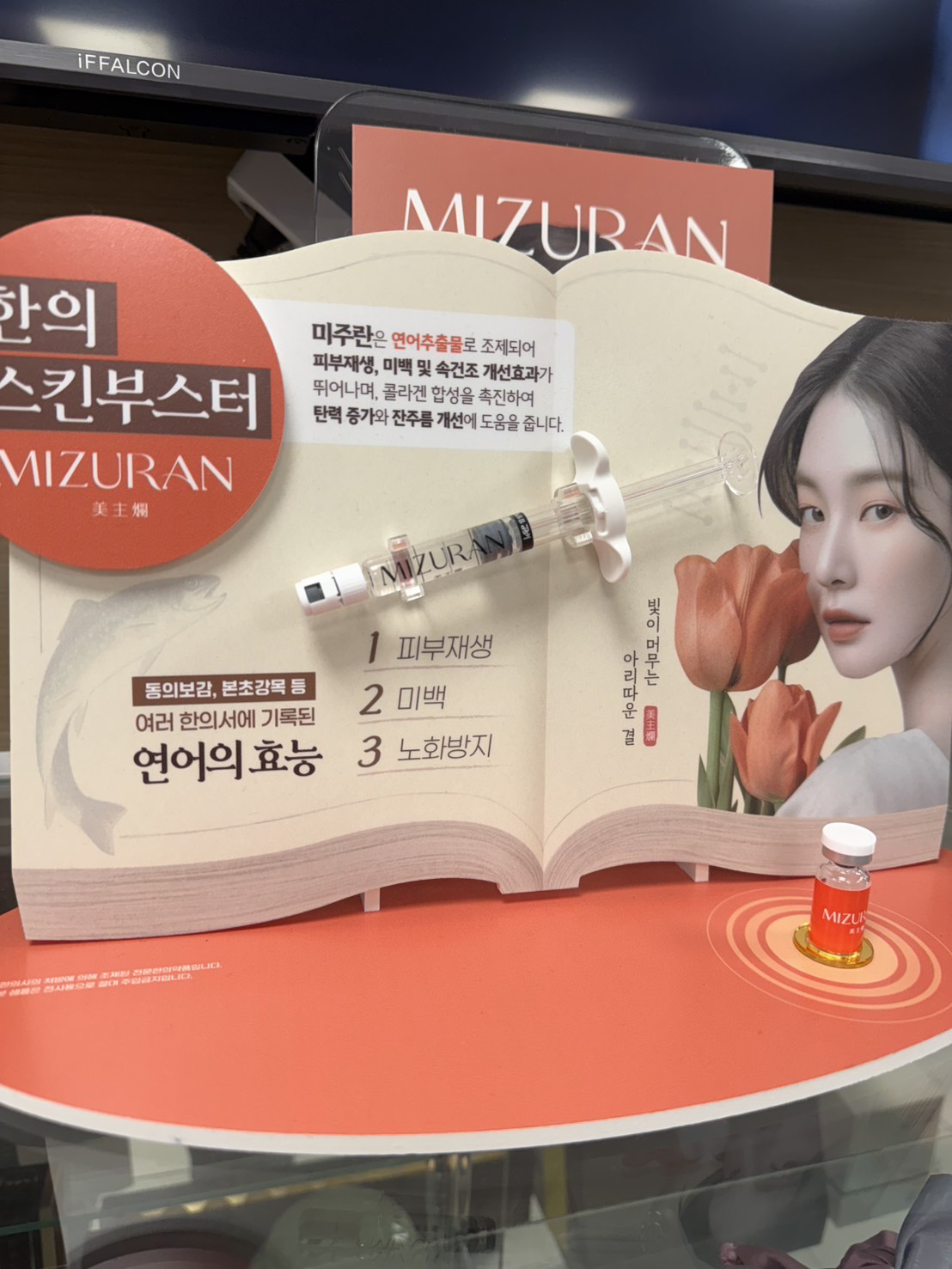
Mizuan PN promotes the regeneration of damaged skin cells and collagen synthesis, helping with brightening, inner dryness and fine lines. However, because PN has a larger molecular weight than PDRN, skin allergies can occur. If an allergy develops, the skin is calmed with LDM or Jaungo Ointment. After PN injections, small raised bumps (embossing) can appear and may make daily life uncomfortable.
Mizuan PN works well when given by manual injection, but if you are sensitive to pain it can be delivered with Dermashine instead. The treatment interval is 2~3 weeks for Dermashine and 3~4 weeks for manual injection.
PDRN and PN: what is the difference?
Both ingredients are purified DNA fragments obtained from salmon or trout sperm. The difference lies in molecular weight and the length of the DNA chain.
- PN (Polynucleotide): With long DNA chains and a large molecular weight, it works deep in the dermis, helping produce collagen and elastin to improve firmness.
- PDRN (Polydeoxyribonucleotide): As relatively short DNA fragments with a small molecular weight, it works in the epidermis, promoting keratinocyte turnover and helping wounds heal faster.
We recommend adding a skinbooster for these people
When inner dryness gets worse, melasma tends to worsen along with it. That is why we recommend adding a skinbooster for people with a sensitive skin barrier and people sensitive to UV light or laser stimulation. Which skinbooster among Exosome, PDRN and Mizuan suits your skin is best decided by comparing them in a consultation based on your skin condition.


Author : Dr. Kim Seung-yeon, Saeron Korean Medicine Hospital (Korean medicine doctor), Profile Last reviewed : 2026-10-14 This article provides general medical information. Individual diagnosis and treatment plans are decided through an in-person consultation at the hospital.
Start Your Skin Consultation Today
Reach us via KakaoTalk, Naver booking, or call 032-423-3650. Open on Sundays and holidays.