
Neck Muscle Tension, Headaches and Insomnia
If the back of your head throbs and your sleep stays shallow, it may be time to look at your neck muscles rather than blame tiredness
Neck muscle tension is a common cause of both headaches and insomnia. If the back of your head throbs and your sleep becomes shallow after a day spent staring at a monitor or smartphone, it is worth checking the condition of your neck muscles before dismissing it as simple fatigue. We explain why headaches and insomnia occur when the neck muscles are knotted, what to change at home, and what tests are done at the hospital.
Why do knotted neck muscles cause headaches?
The neck is packed with large and small muscles that support the weight of the head. When you keep your head bowed or pushed forward for a long time, these muscles cannot rest and stay constantly tense. A tension headache is what commonly appears at this point. If several of the features below overlap, you may suspect a tension headache.
- A tightening feeling at the back of the head or the temples
- A heaviness as if a band were wrapped around the head
- Stiffness in the neck and shoulders at the same time
- Getting worse toward the afternoon or evening
- Getting worse under stress
Neck muscle tension also leads to insomnia
When the neck is knotted, the whole body cannot let go of tension. Even in bed you do not relax fully, so the quality of sleep tends to drop. In particular, when the muscles at the back of the neck are tense, the sympathetic nervous system becomes sensitive and falling asleep can become harder. These are the sleep problems often reported along with neck muscle tension.
- Hard to fall asleep because the neck feels uncomfortable when lying down
- Waking often during the night because of neck pain
- Not sleeping deeply, with shallow sleep continuing
- Still tired after waking up
- Head feels heavy from the morning
Lifestyle habits that bring on headaches and insomnia
Behind tension headaches and insomnia there are usually four things: a head-down smartphone posture, a pillow that is too high, accumulated stress, and lack of exercise.
What should you change at home?
- Change your posture often: The key is not to hold one posture for long. Move your neck and shoulders and change your posture every 30 to 40 minutes.
- Rest and warm compresses: Lying down with your eyes closed to rest, or applying a warm compress, helps loosen stiff muscles and lower tension.
- Stretching: Slowly stretch your neck muscles within a range that does not strain you.
- Check your sleep environment: Adjust your pillow height, reduce smartphone use before bed, and keep the bedroom at a comfortable temperature.
Tests and treatment direction at the hospital
If headaches and insomnia of unknown cause continue, it is a good idea to get tested at a nearby hospital.
- X-ray: Checks whether neck muscle tension has been caused by spinal deformity or a disc problem.
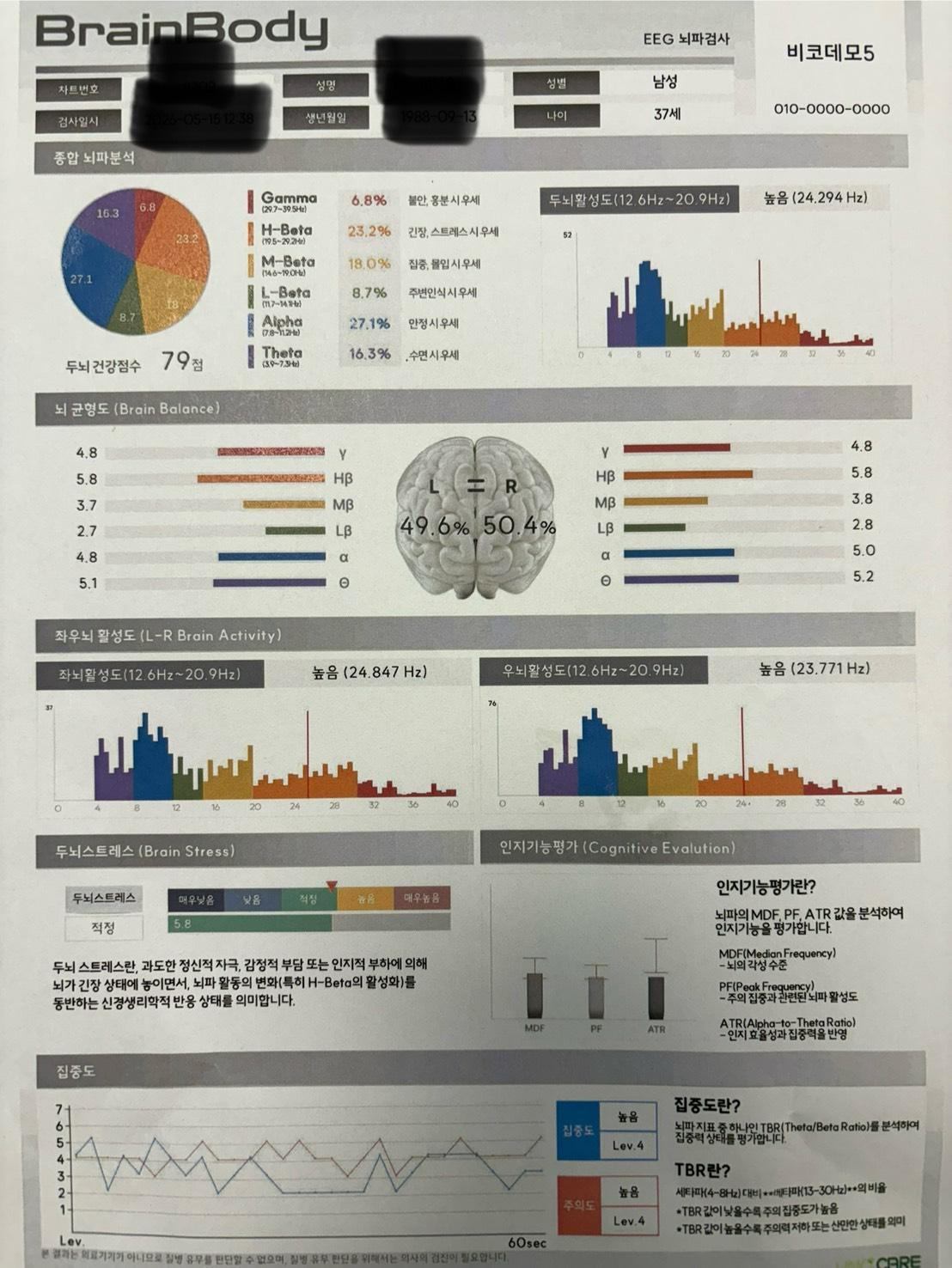
- BrainBody test: Assesses the body's condition with equipment that measures brain waves (EEG) and pulse waves (PPG).
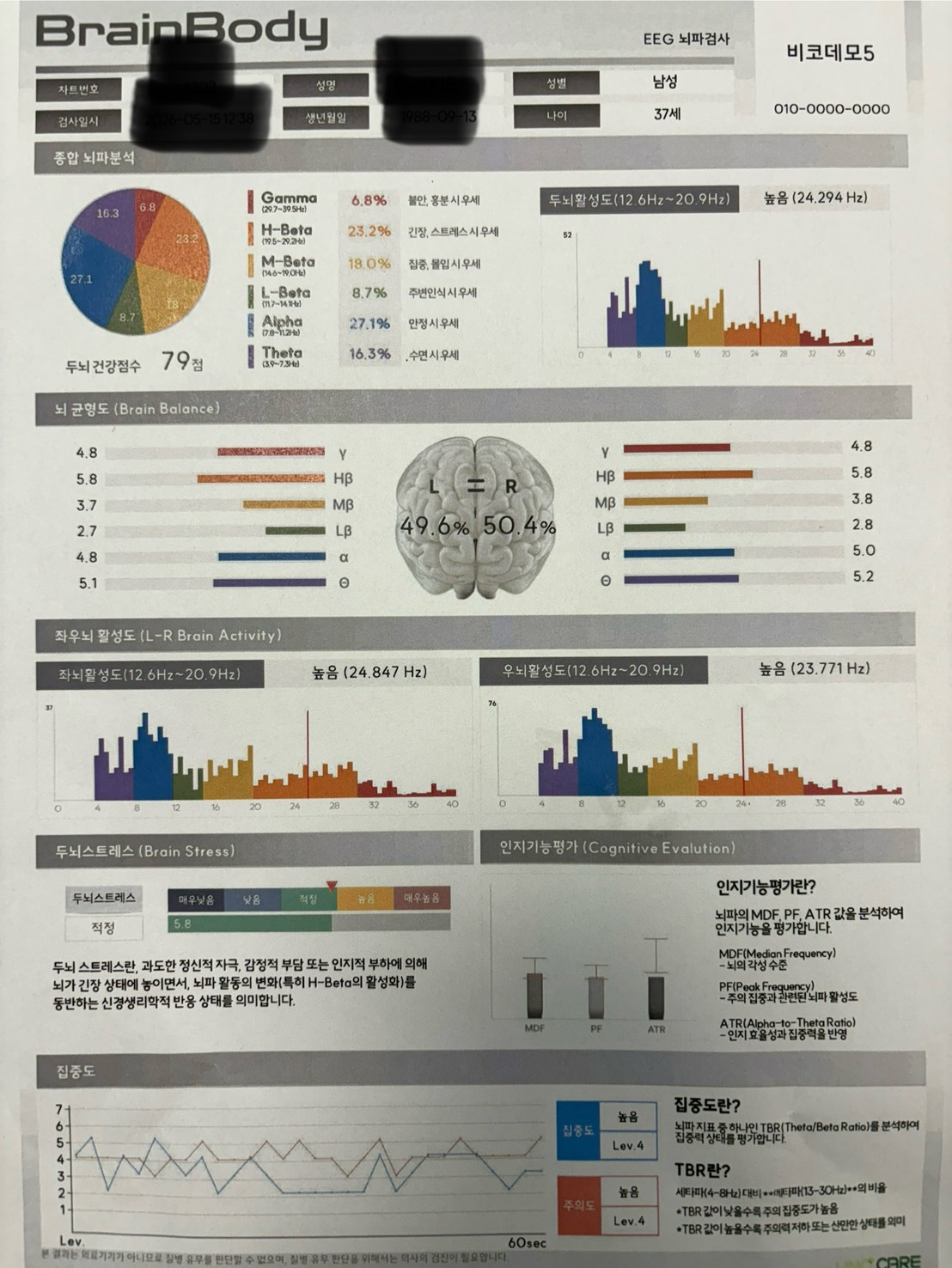
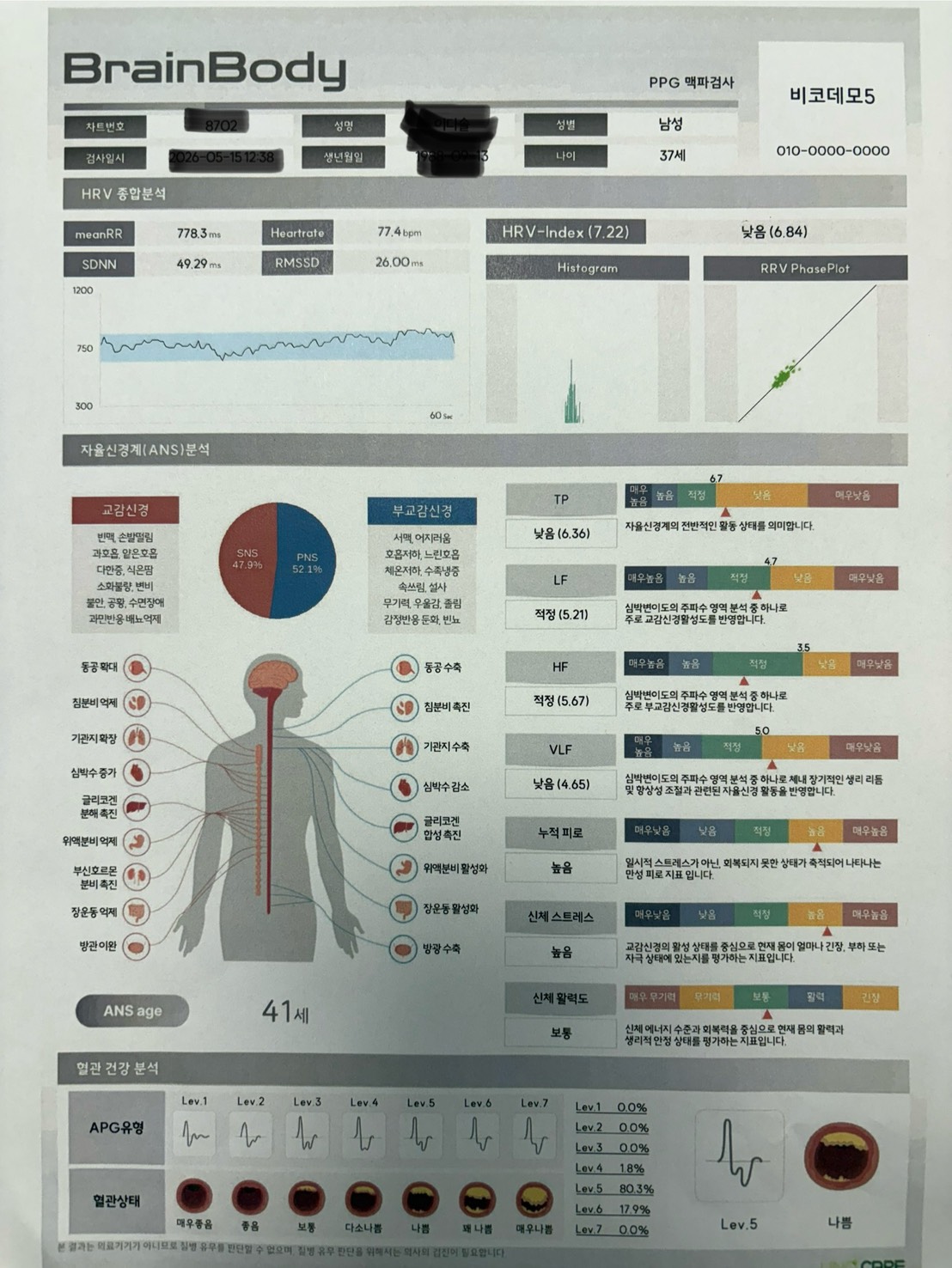
The test results become the basis for deciding whether to take the direction of medication or manual therapy (massage). If physical stress or accumulated fatigue turns out to be the cause, treatments such as manual therapy or an oxygen therapy device may be considered, and if causes related to the autonomic nervous system stand out, medication may be considered.
Summary
- Neck muscle tension can cause both tension headaches and insomnia.
- Changing posture, warm compresses, stretching and adjusting the sleep environment are the basic care.
- If you keep feeling tired after sleep and your head stays heavy, it is best to confirm the cause through testing and manage it early.



Last reviewed : 2026-10-14 This article provides general medical information. Individual diagnosis and treatment plans are decided through an in-person consultation.
Start Your Skin Consultation Today
Reach us via KakaoTalk, Naver booking, or call 032-423-3650. Open on Sundays and holidays.