

Cancer Immunity Clinic
Integrated cancer immune care — injections, hyperthermia, rehab.
Recommended For
If any of the situations below apply to you, Saeron's specialist care can help.
Check quickly with an AI consultation.

Need strength and immune recovery before or after surgery "Surgery is coming up and I worry whether I can endure it."
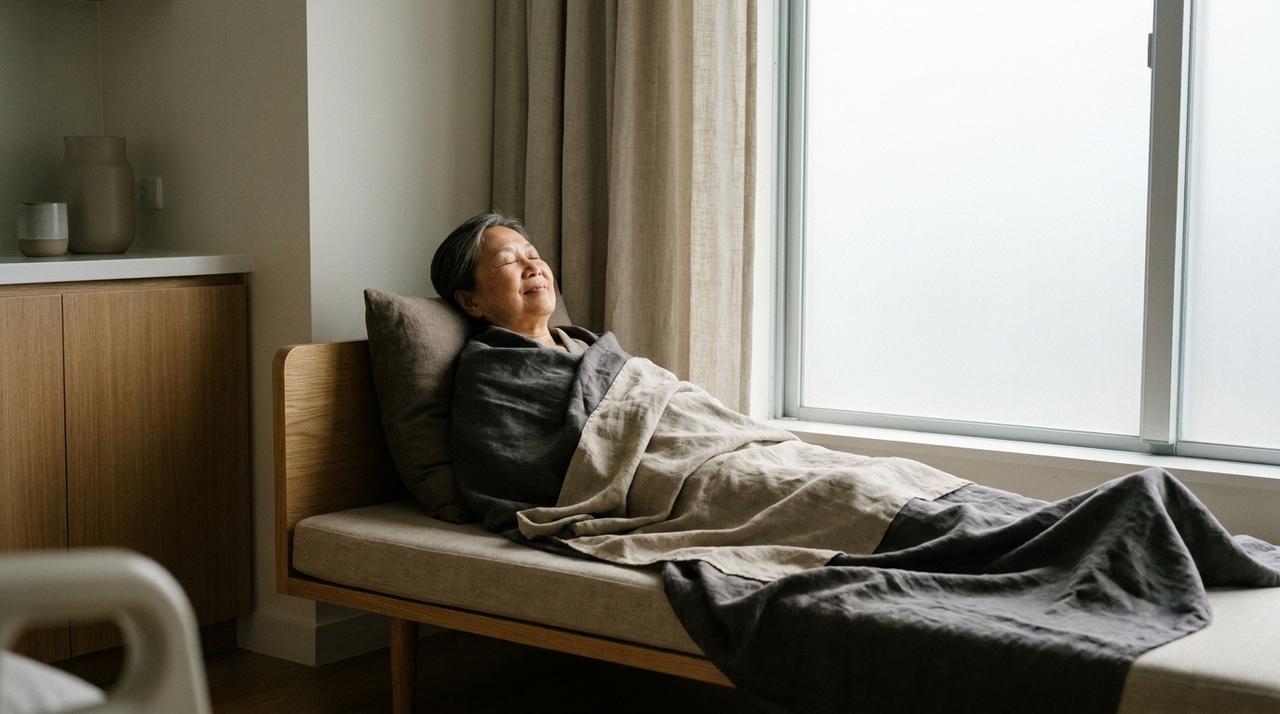
Struggling with chemo or radiation side effects such as fatigue and appetite loss "Fatigue and loss of appetite during chemo leave me exhausted."
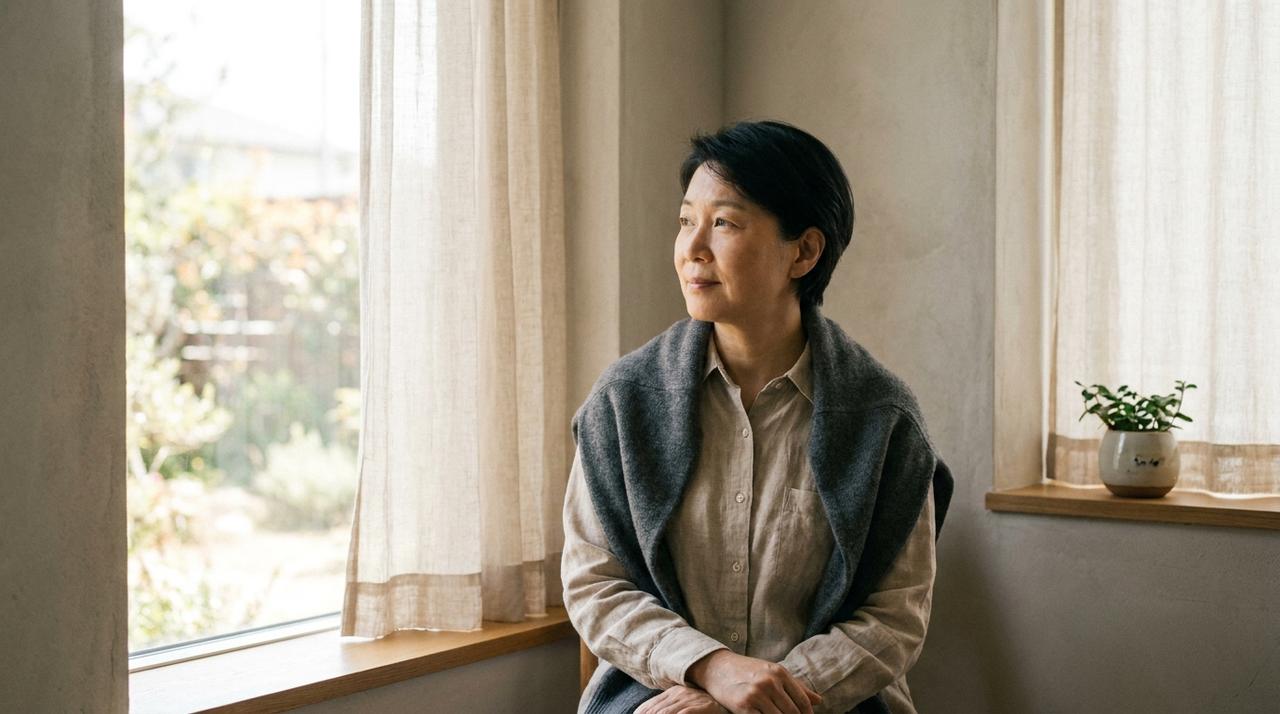
Want recurrence prevention and immune care after treatment "Treatment is over, but I fear recurrence and want to manage my immunity."
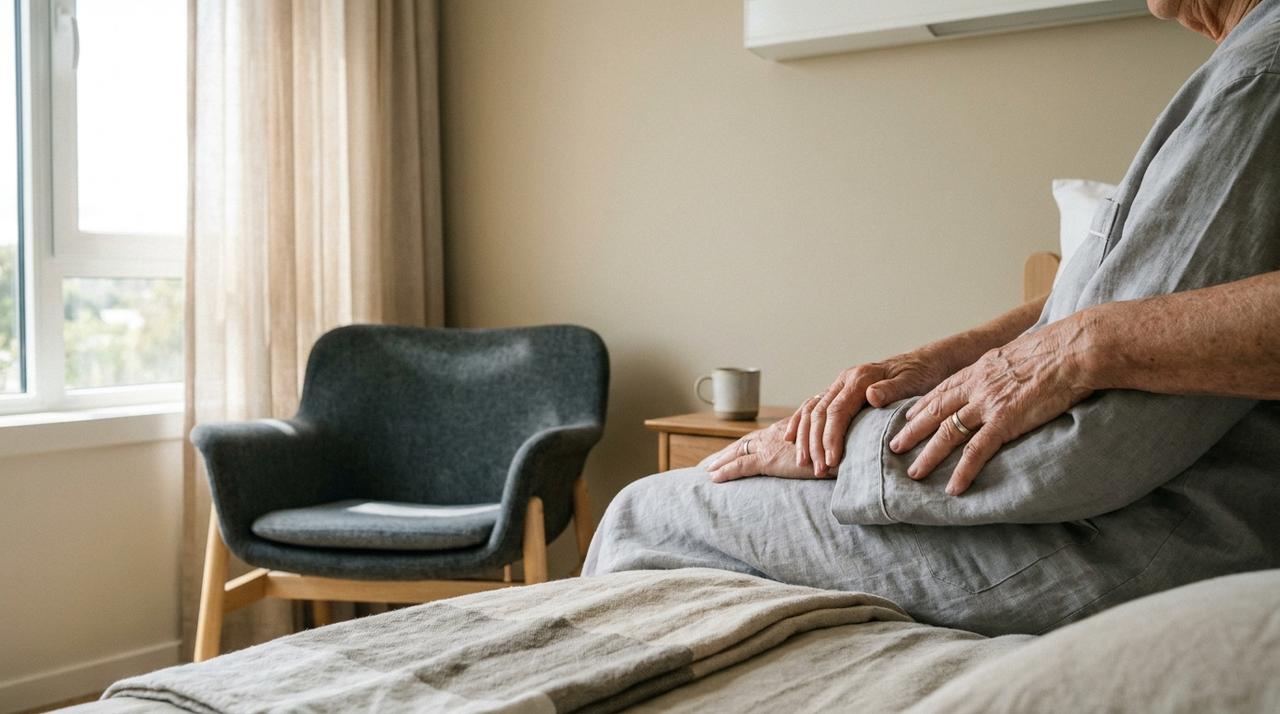
Daily life disrupted by cancer pain or lymphedema "Pain and swelling make everyday life very difficult."
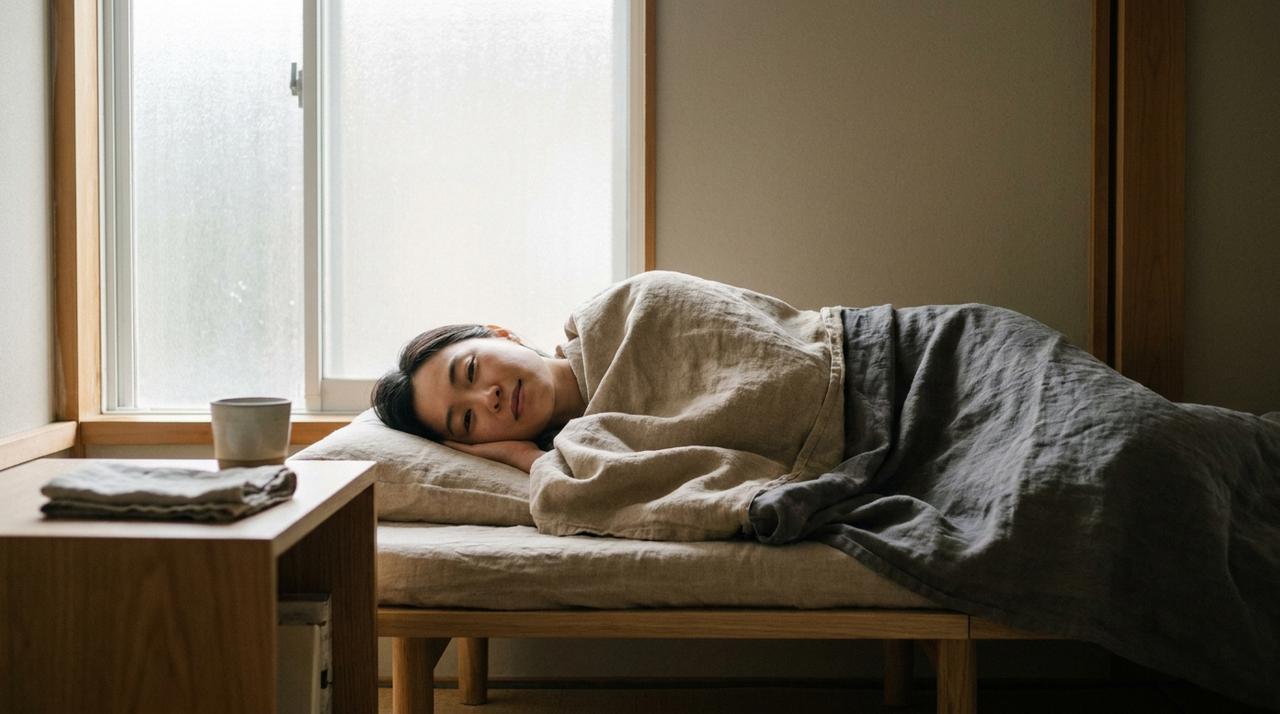
Looking for integrative immune care alongside standard treatment "I need immune care I can receive together with my hospital treatment."
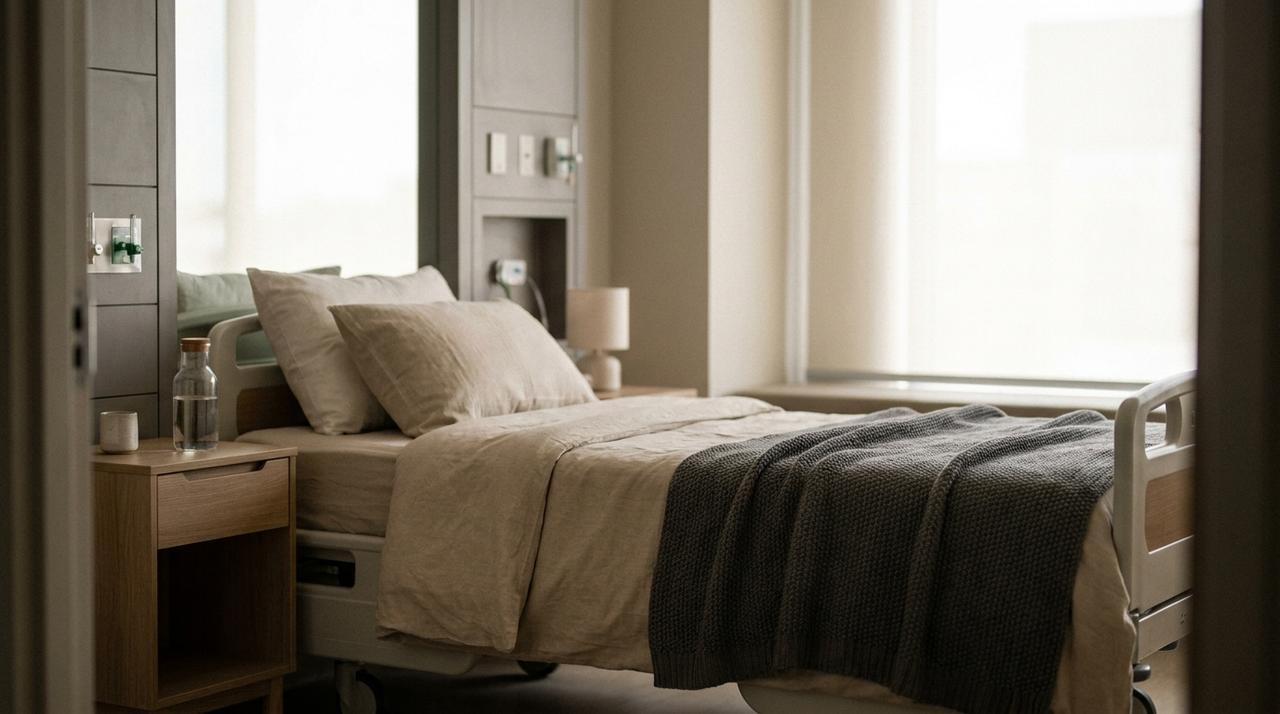
Need round-the-clock intensive inpatient care "Care at home is hard, so I want comfortable inpatient care."
Core Treatment Programs
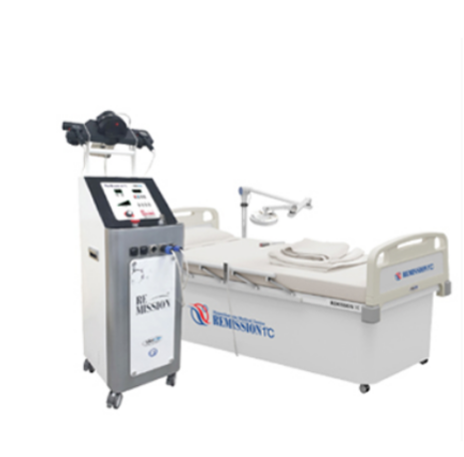
REMISSION High-frequency Hyperthermia (mEHT)
Selectively heats tumor cells to maximize radiation and chemo effects
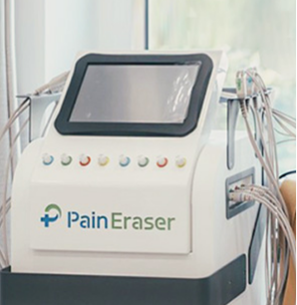
Pain Eraser (scrambler therapy)
Non-invasive cancer-pain relief without injections, drugs, or surgery
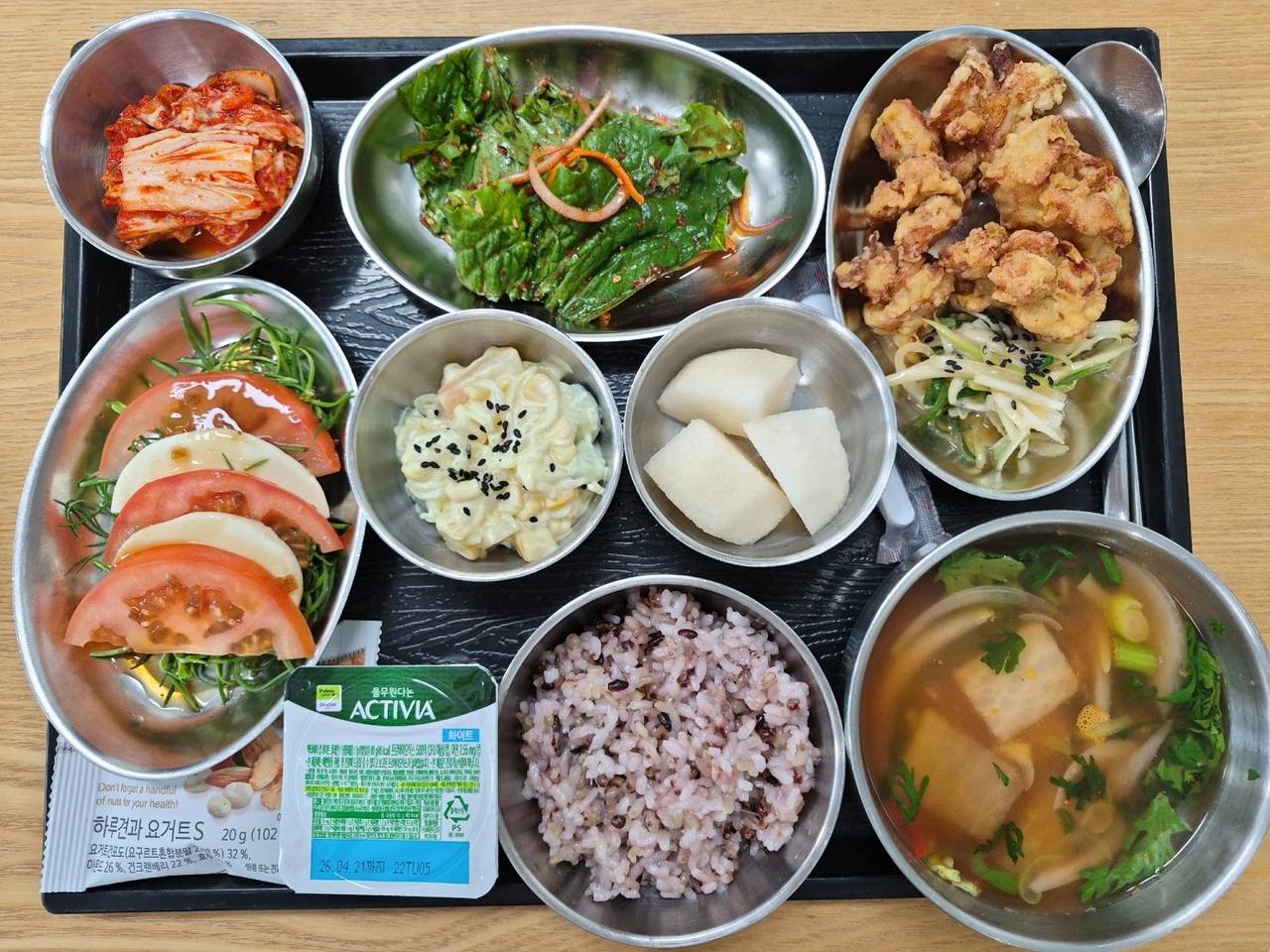
Personalized immune diet
Balanced anti-cancer meals tailored to each cancer type
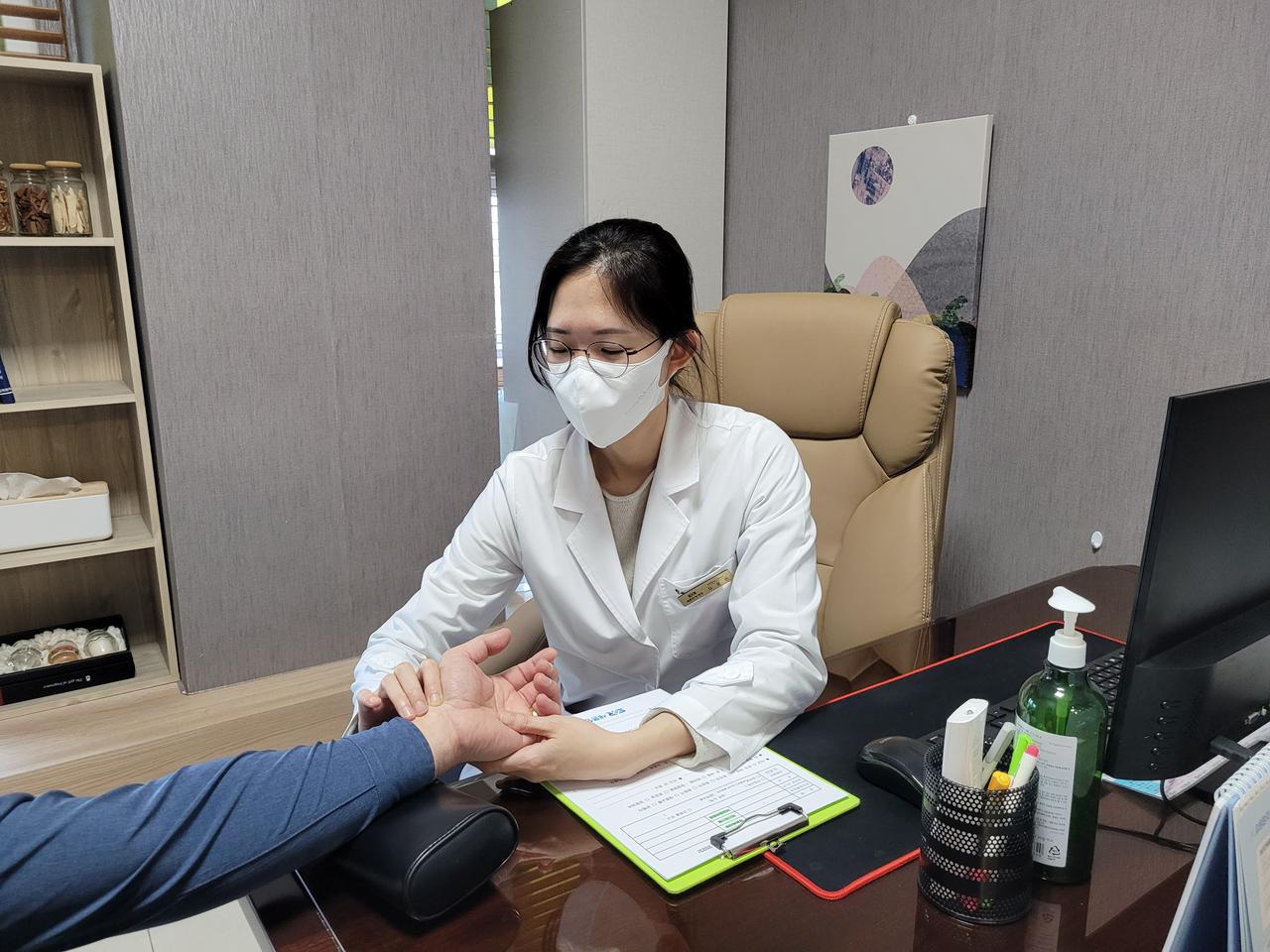
Korean-medicine immune therapy
Herbal medicine and pharmacopuncture to raise body temperature and immunity
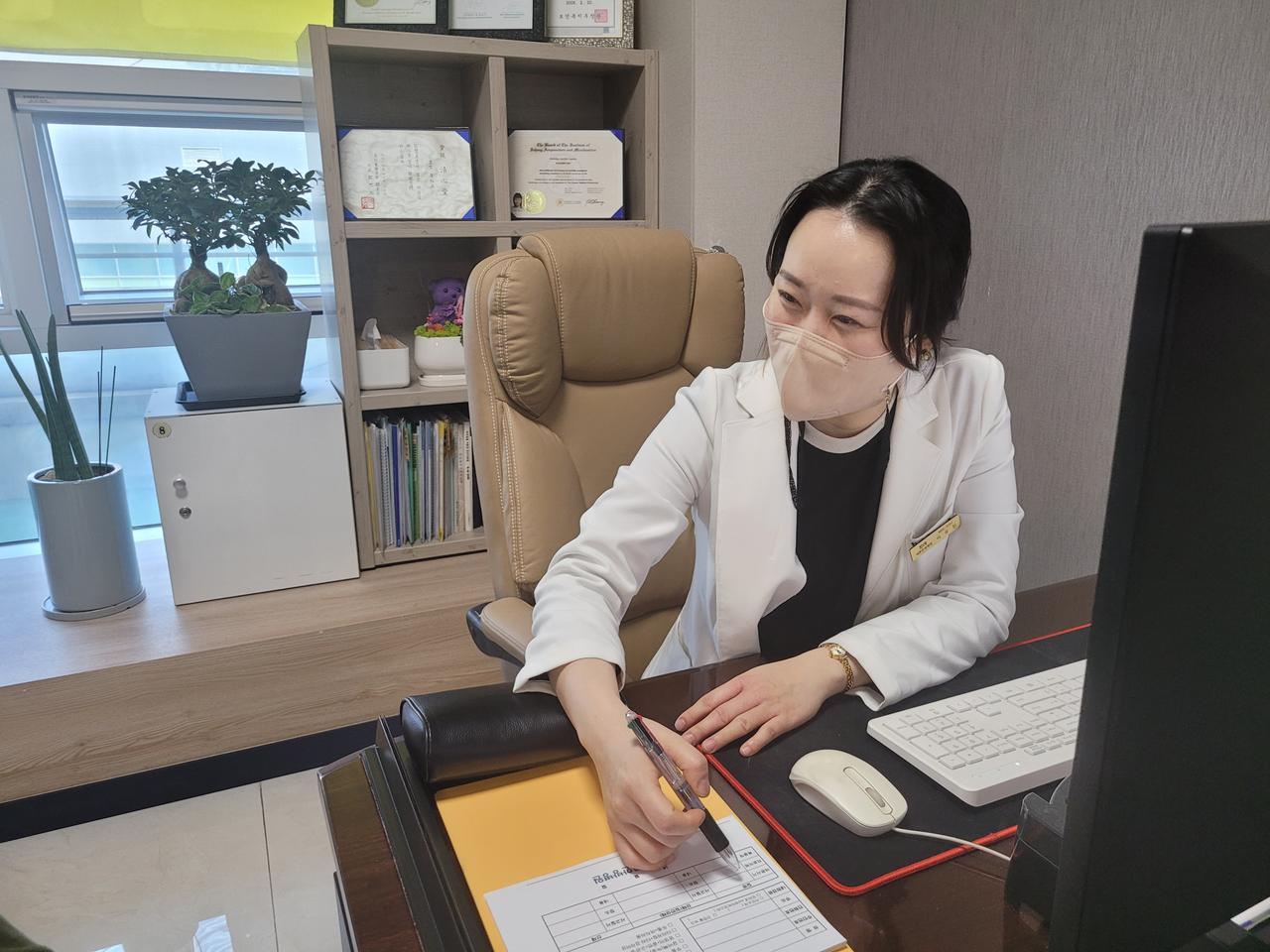
Doctor and Korean-medicine doctor co-treatment
Integrated cancer care from an orthopedic doctor and a Korean-medicine doctor together
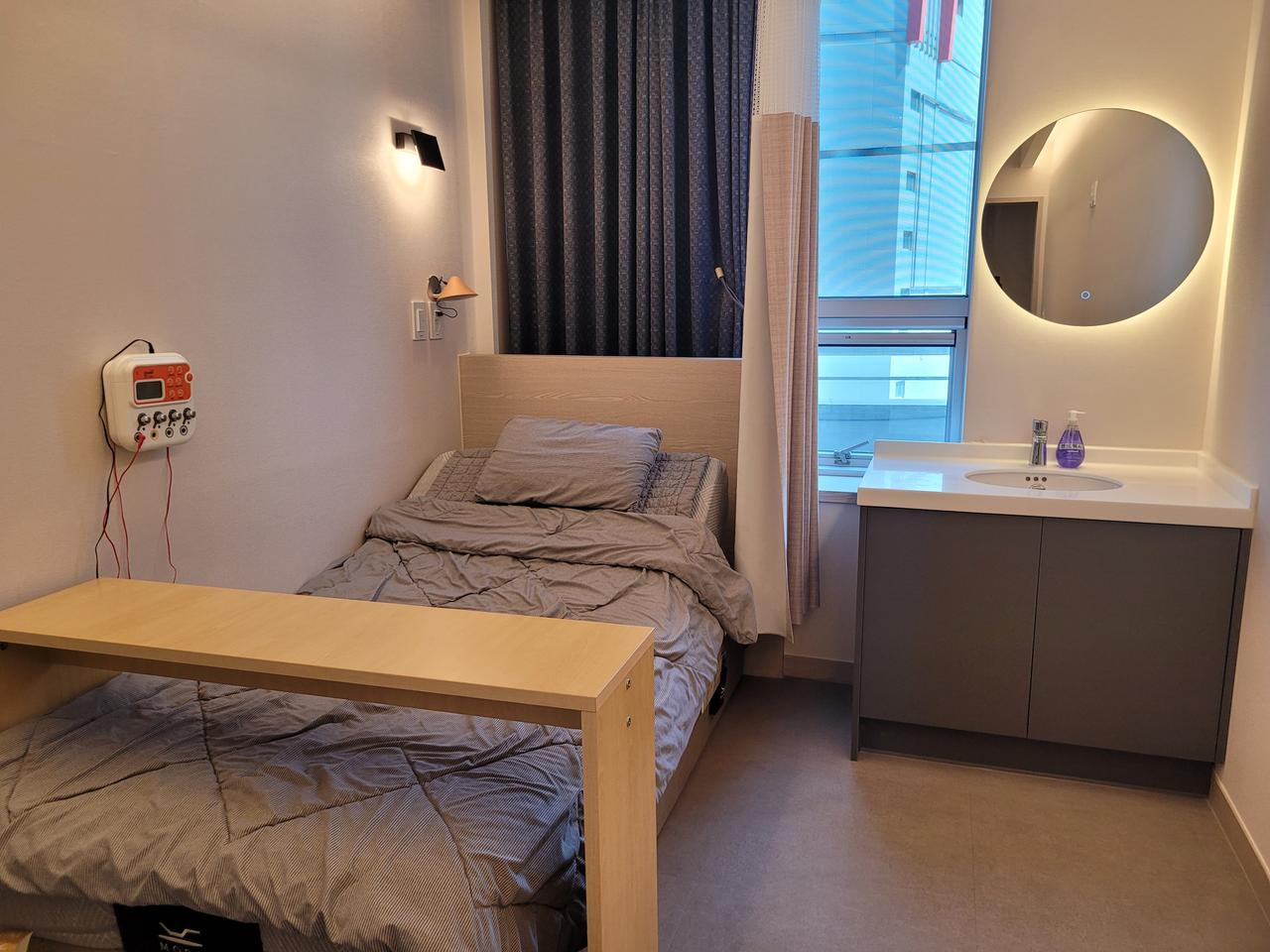
Short-stay or same-day intensive care
Intensive immune care via short stays or same-day visits, even without long admission
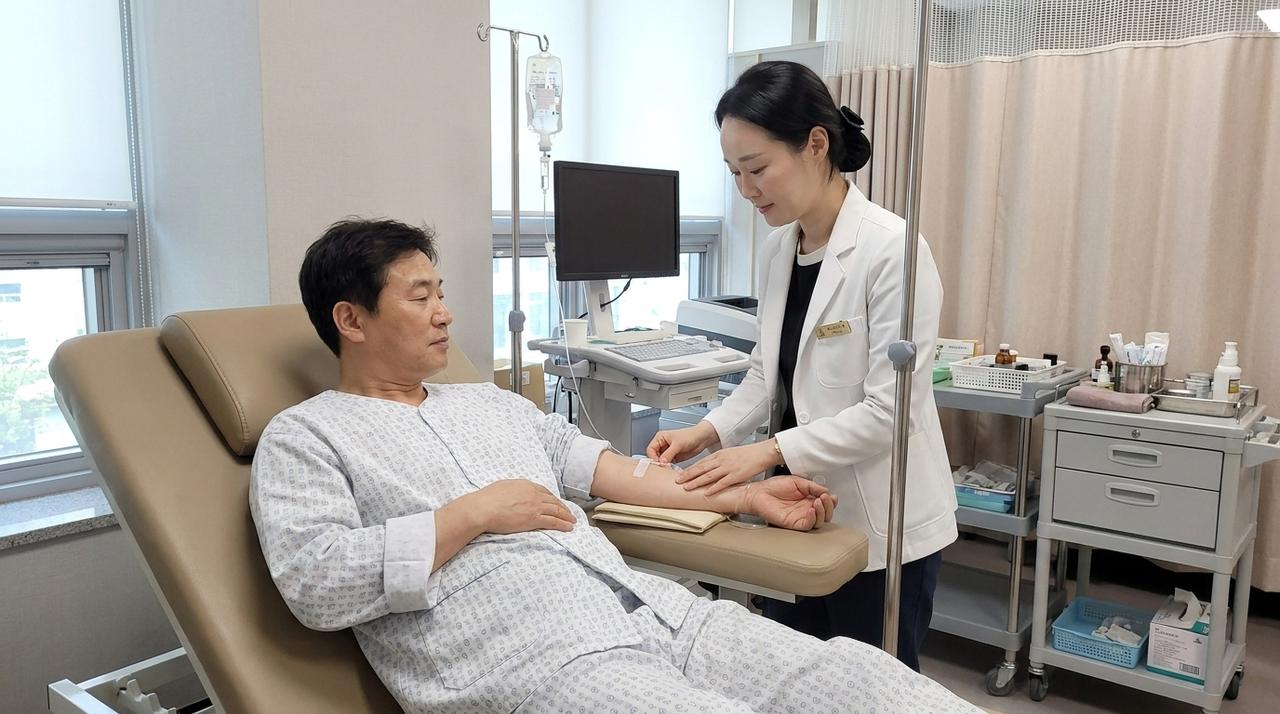
Immune injection and IV therapy
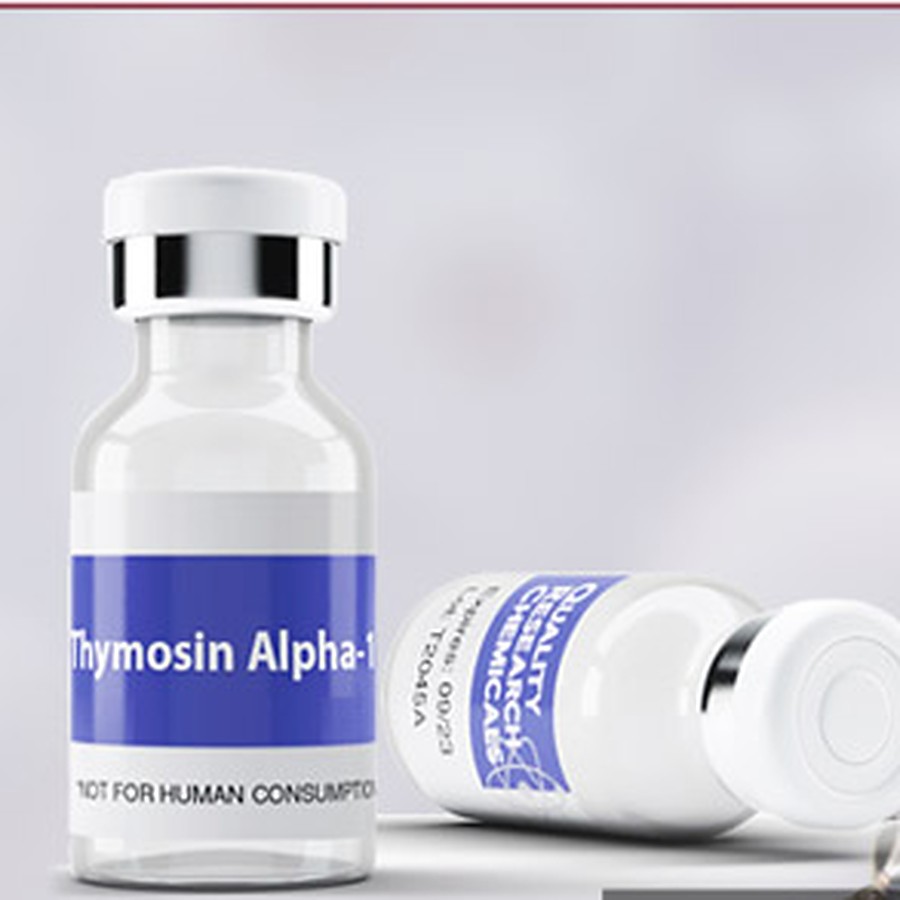
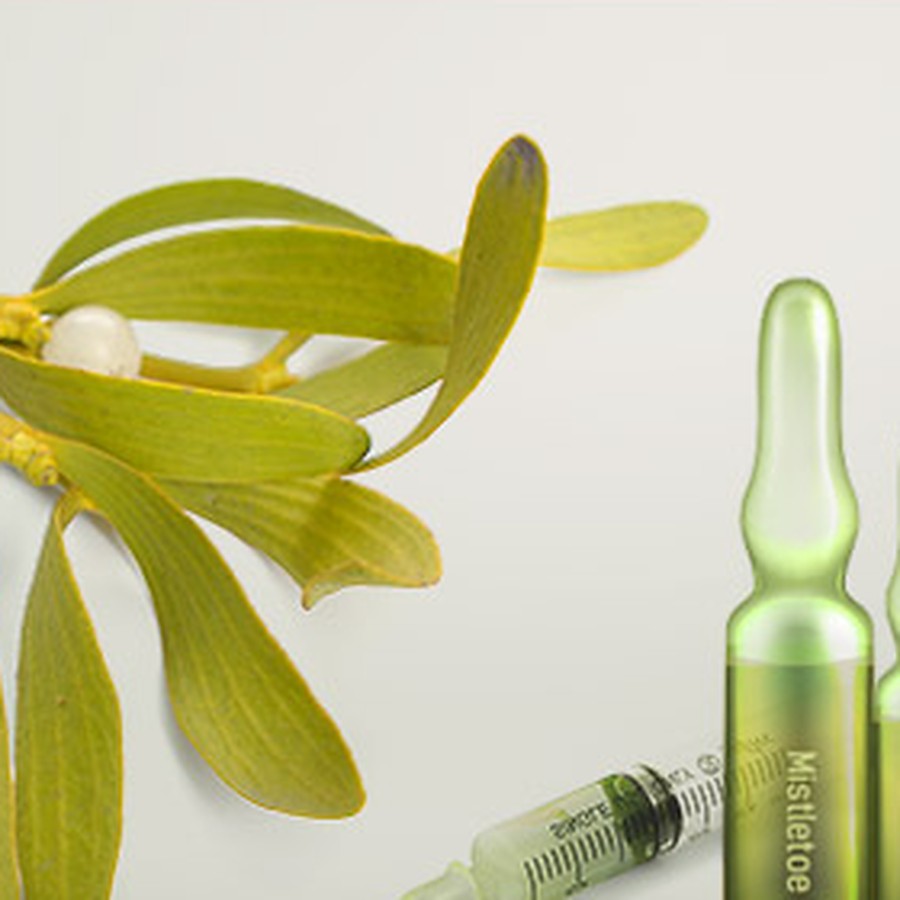
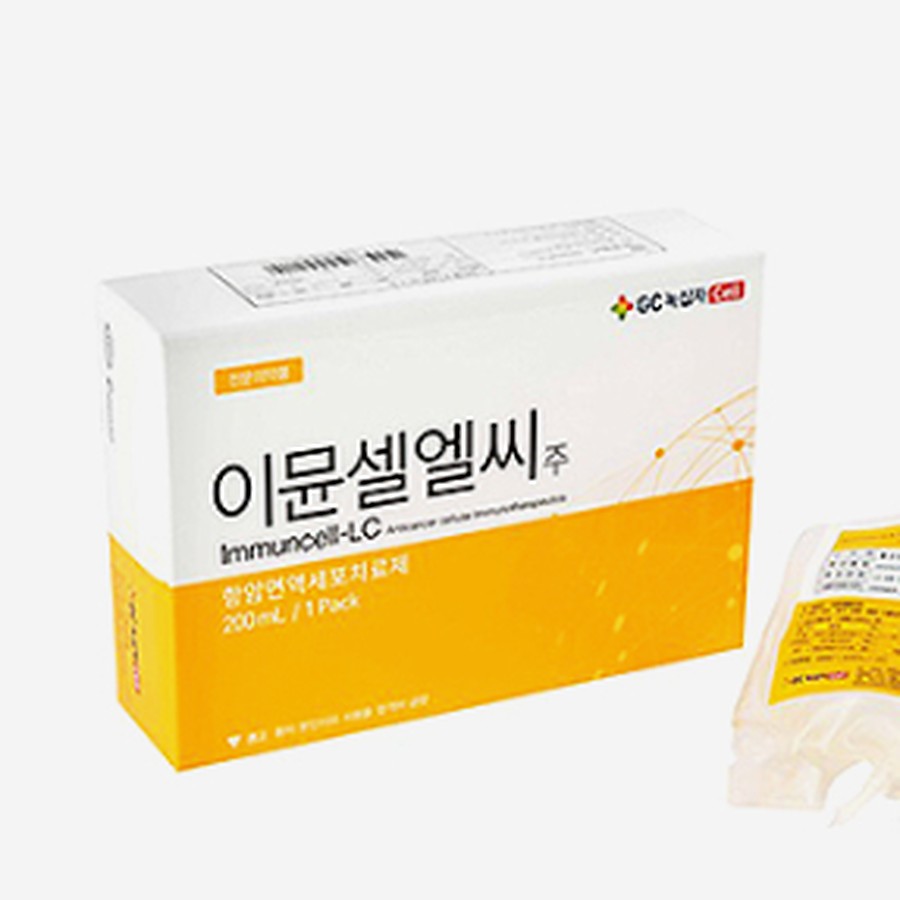
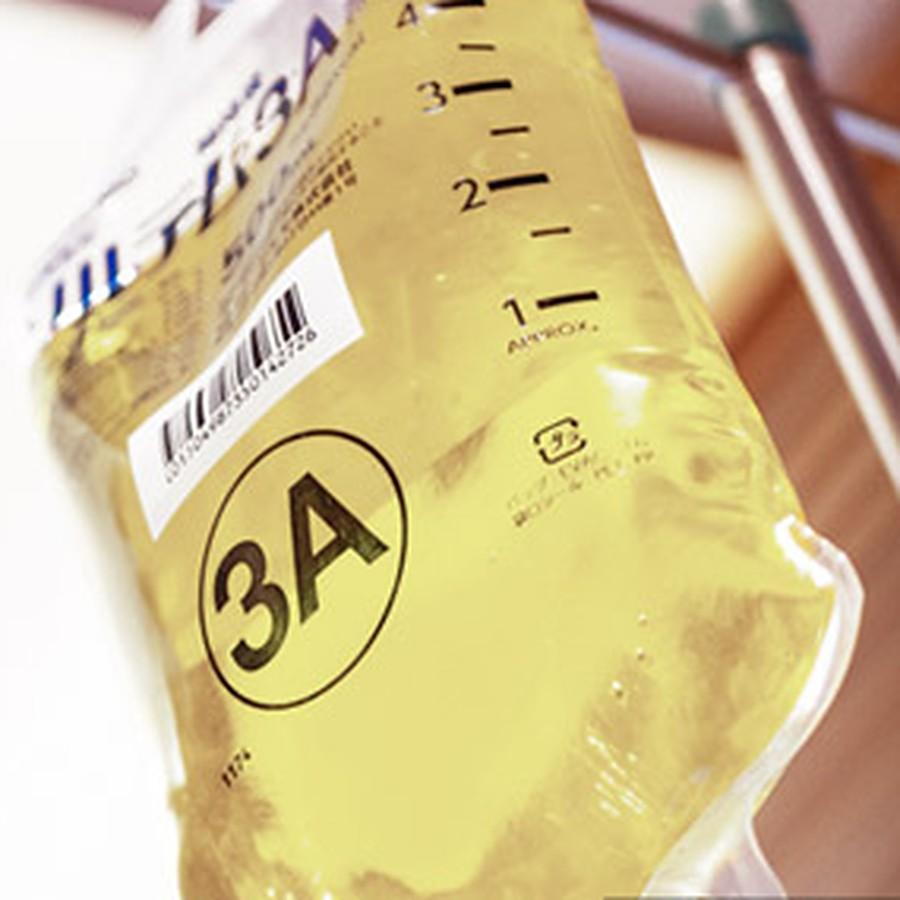
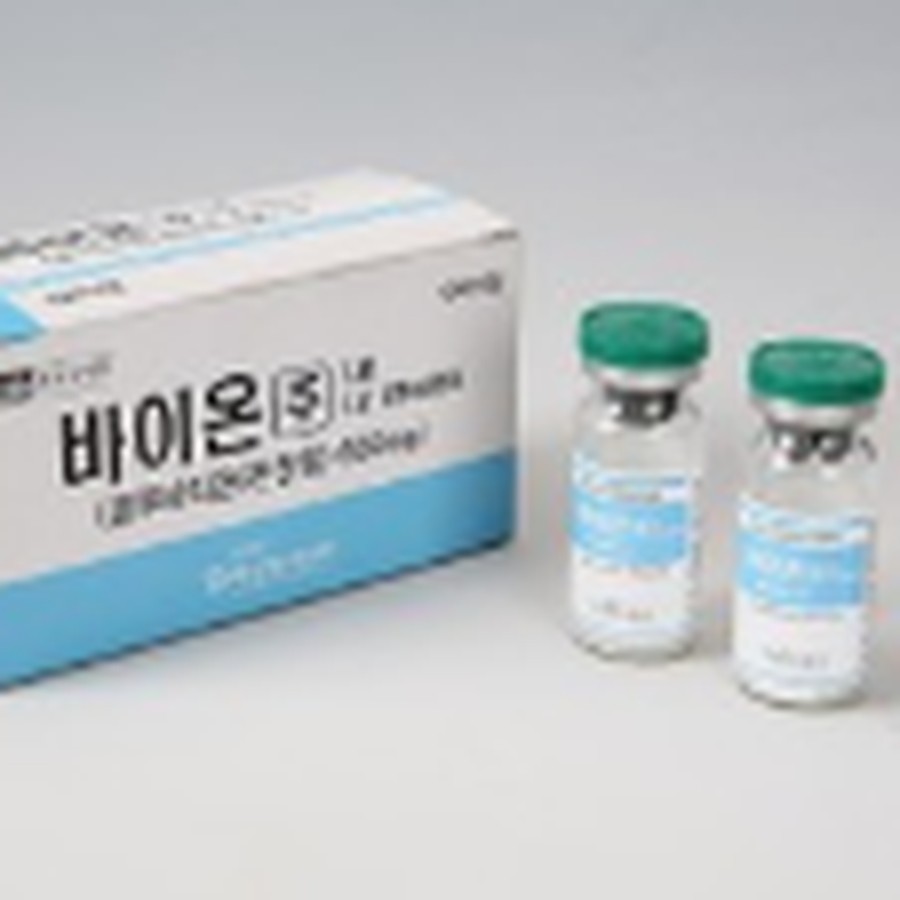
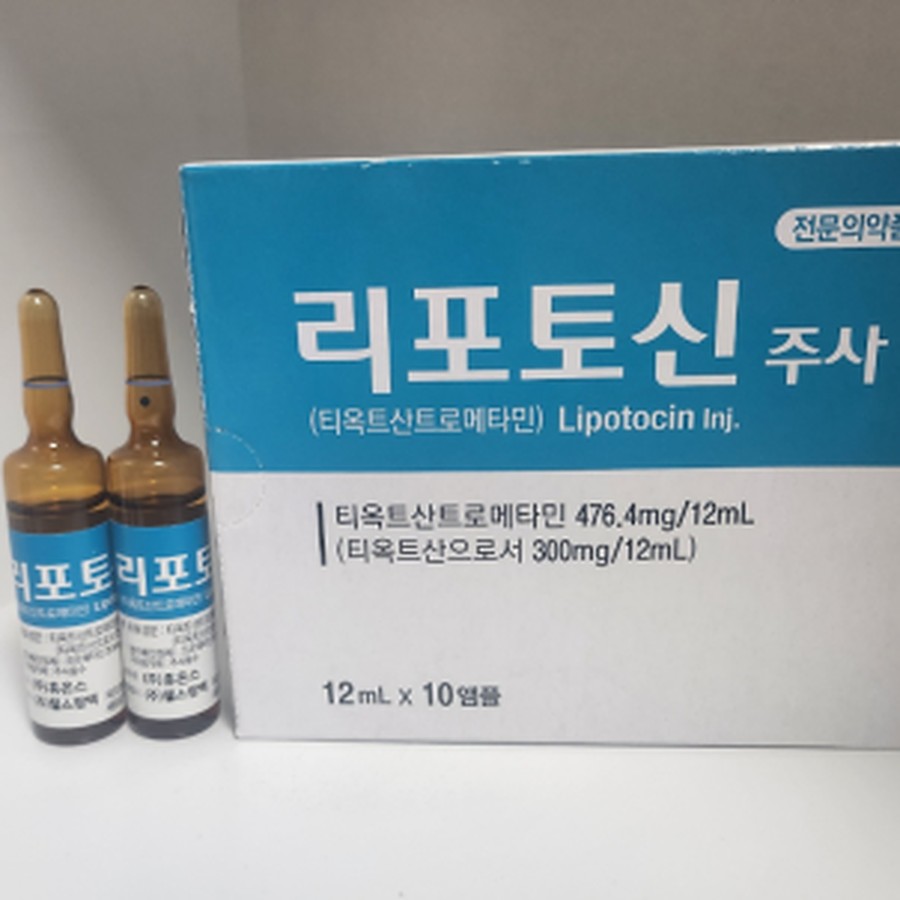
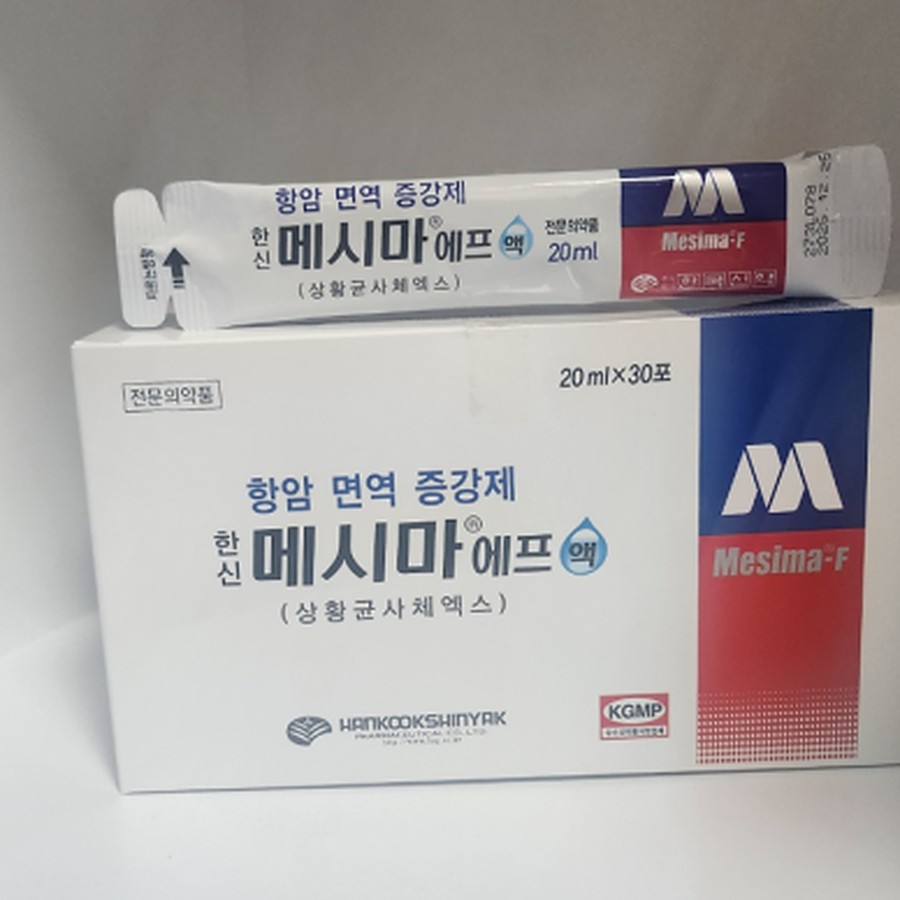
Five immune injections and IVs, from thymus extract to NK/T-cell activation
Cancer Immunotherapy
From thymus extract to radiofrequency hyperthermia and hyperbaric oxygen — the cancer immunotherapies Saeron provides.
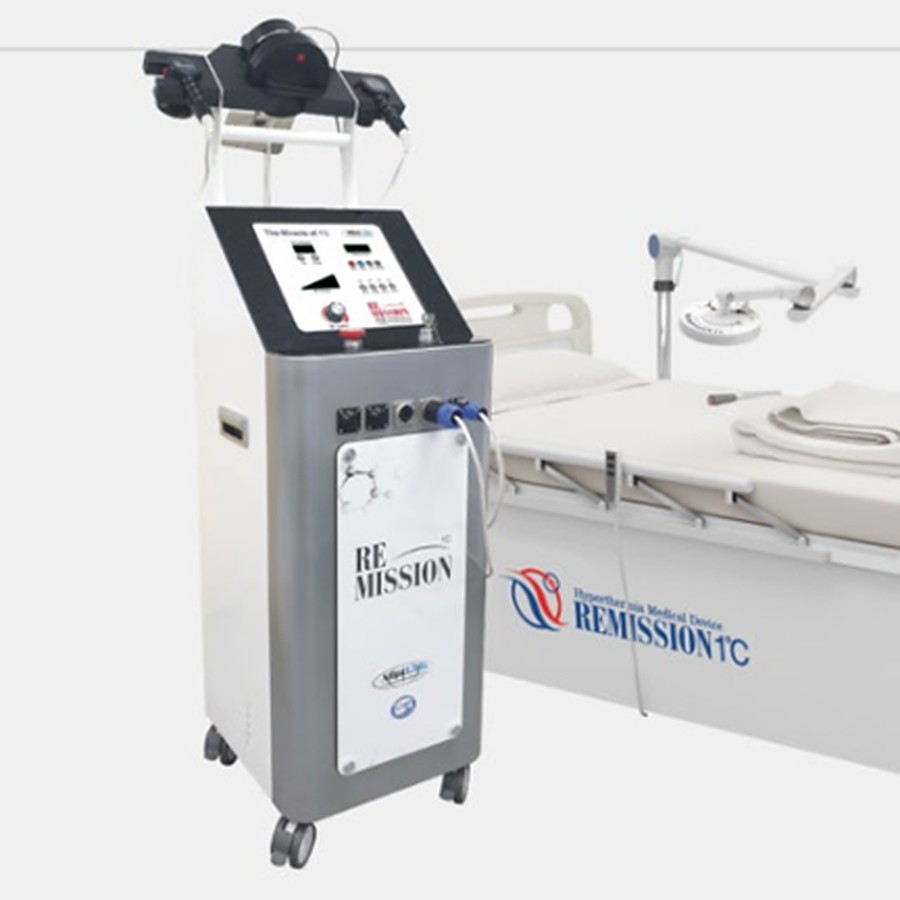
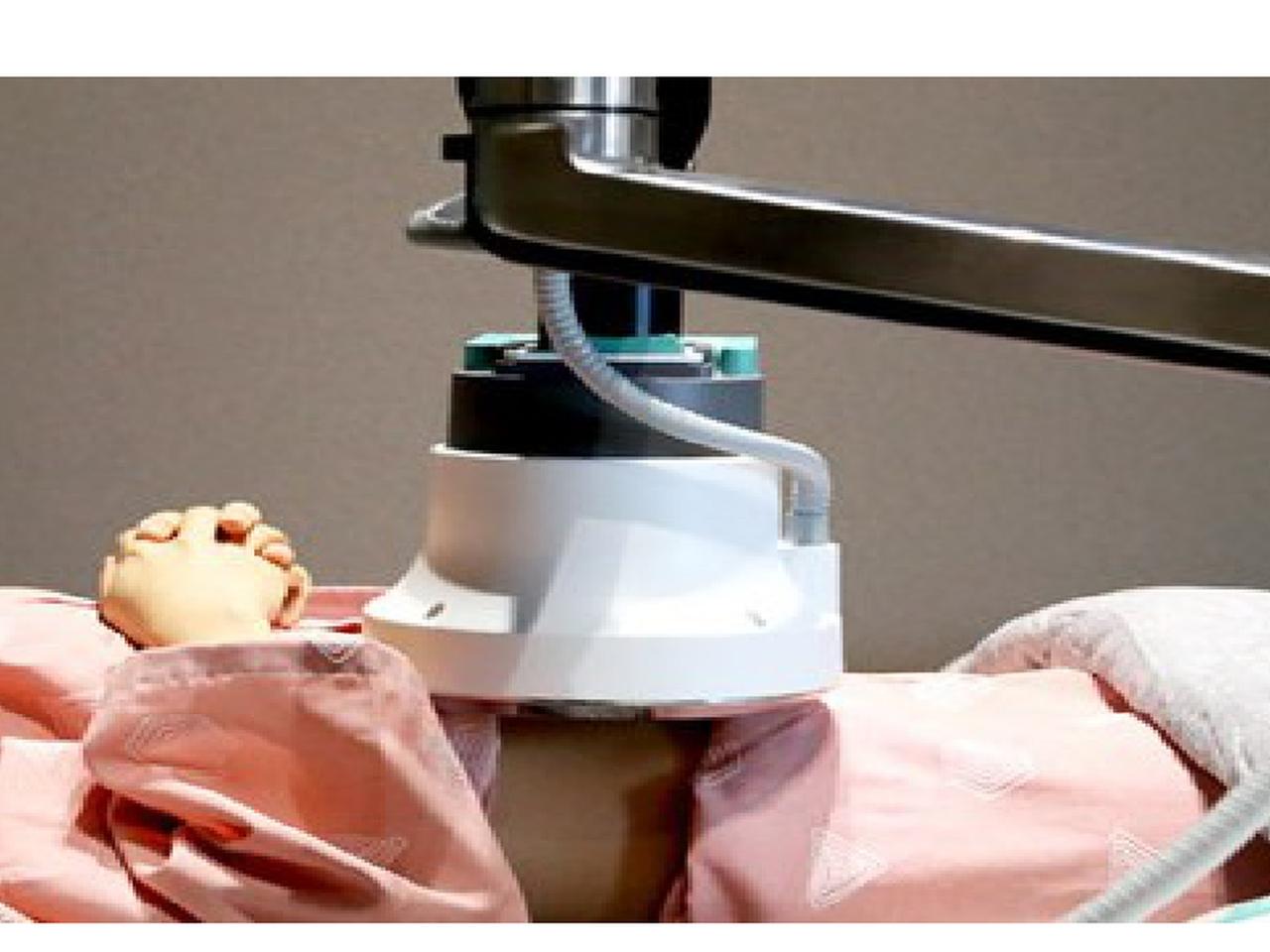
REMISSION High-frequency Hyperthermia
Selectively heating cancer cells
1 / 13
Other IV and Oral Therapies
The therapies below are used together according to symptoms and condition. The prescription is decided after examination.
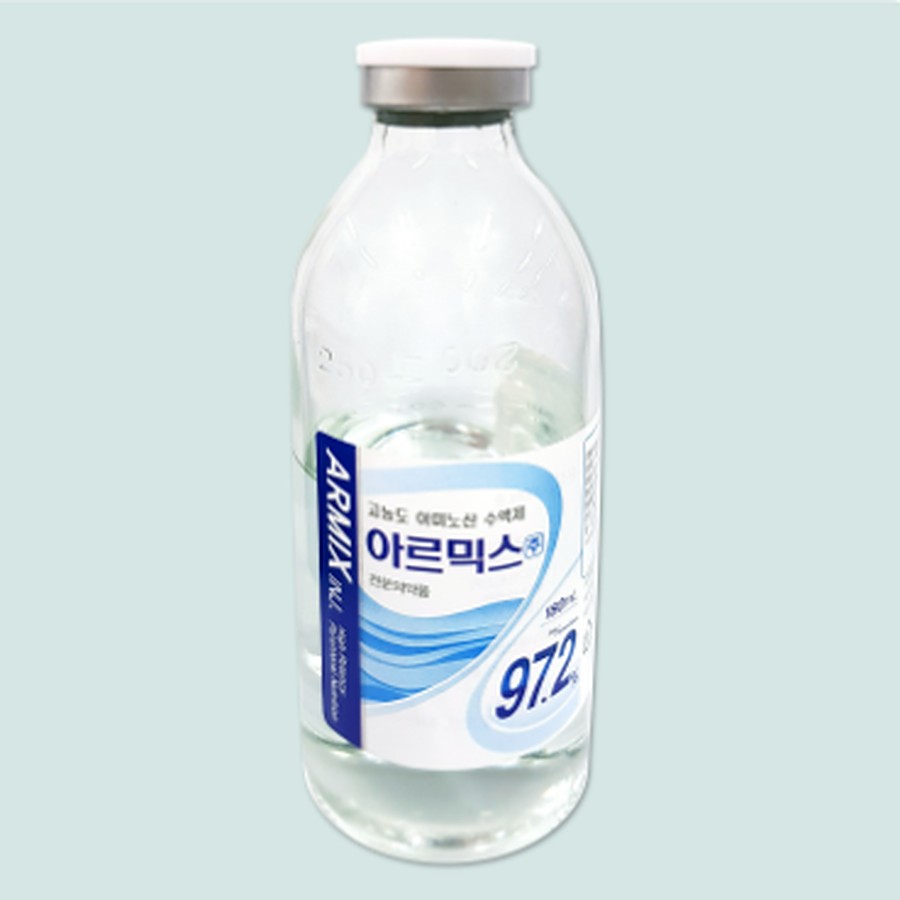
Armix Injection
A protein-amino acid preparation. Used for hypoproteinemia, undernutrition, and amino acid supply around surgery to aid immunity and recovery of strength.
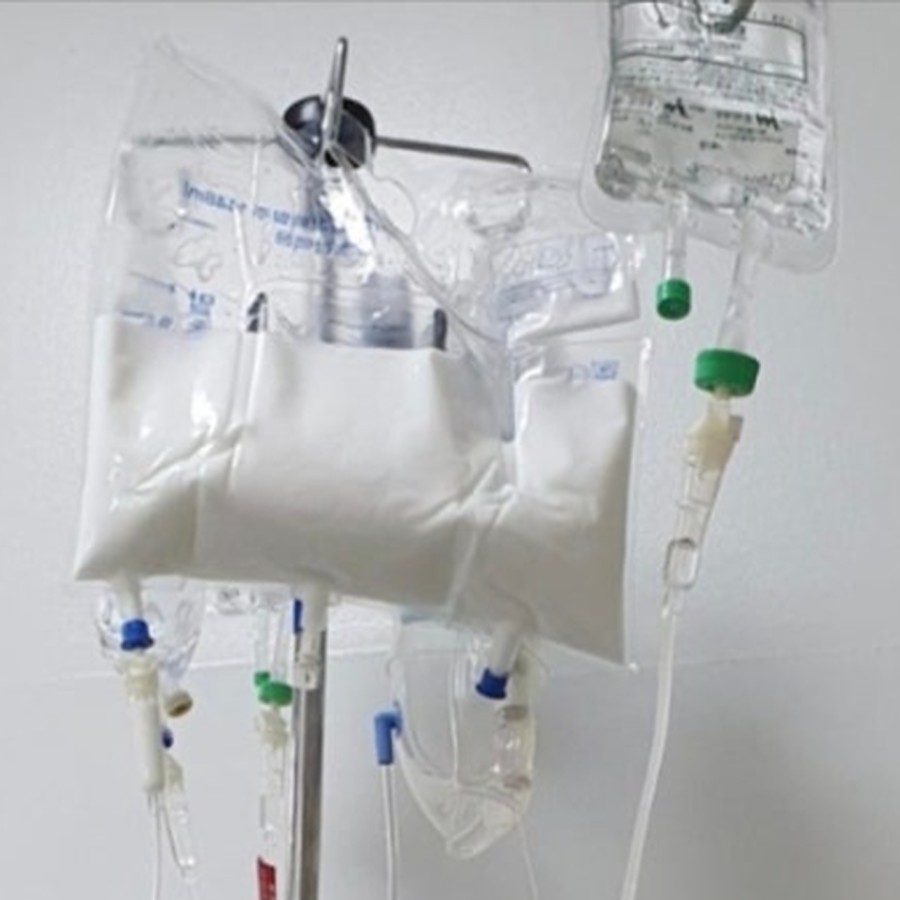
Winuf Peri Injection
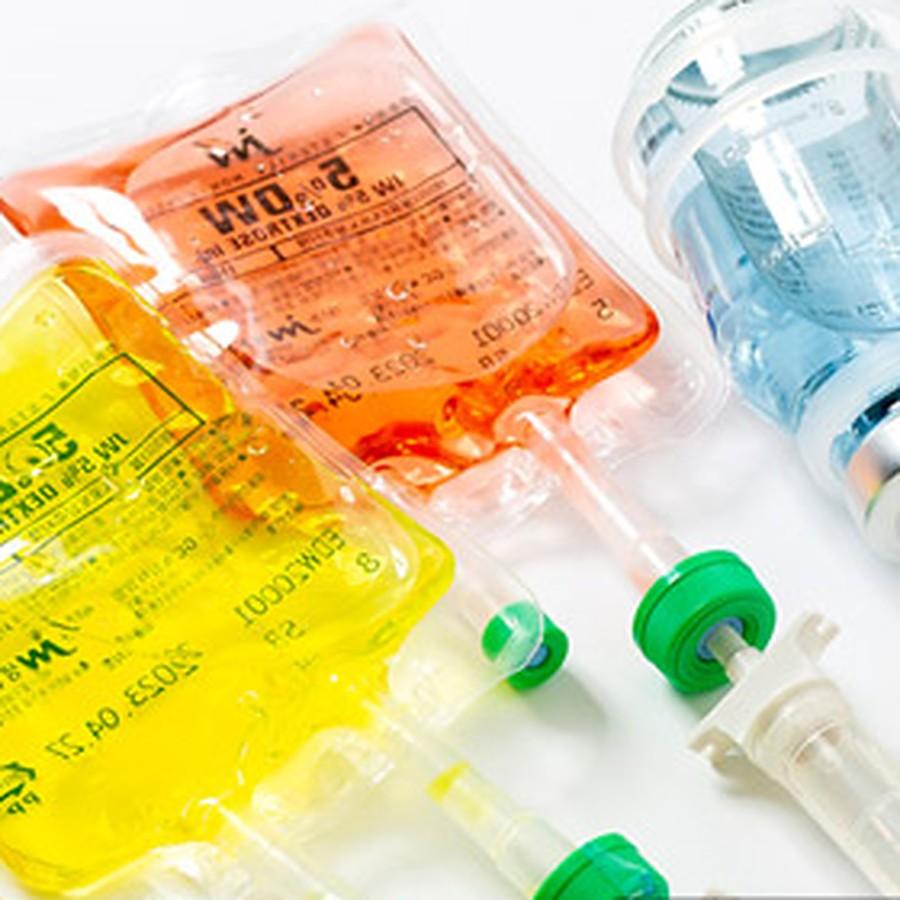
A comprehensive nutritional IV supplying fluids, electrolytes, amino acids, and other essentials. Used for post-surgical recovery and to prevent and correct nutritional deficiency in cancer patients.
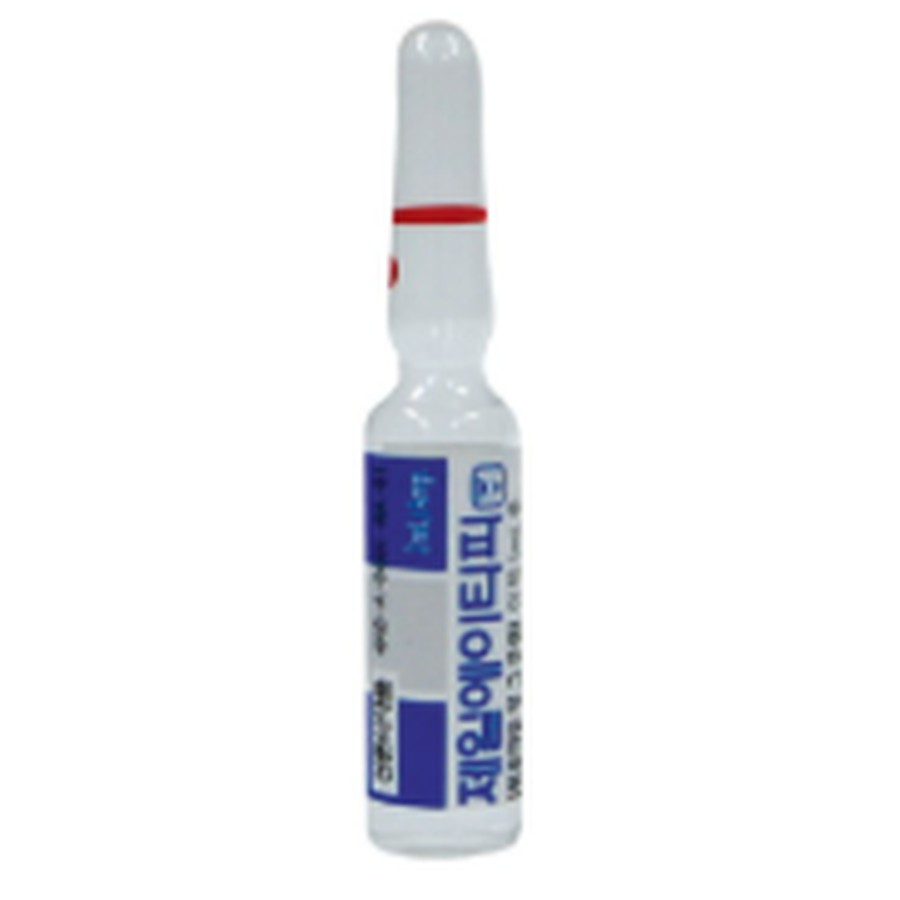
ATP-S Injection
Injecting a cellular energy source directly improves energy metabolism and blood flow, aiding muscle recovery, liver function, and pain.
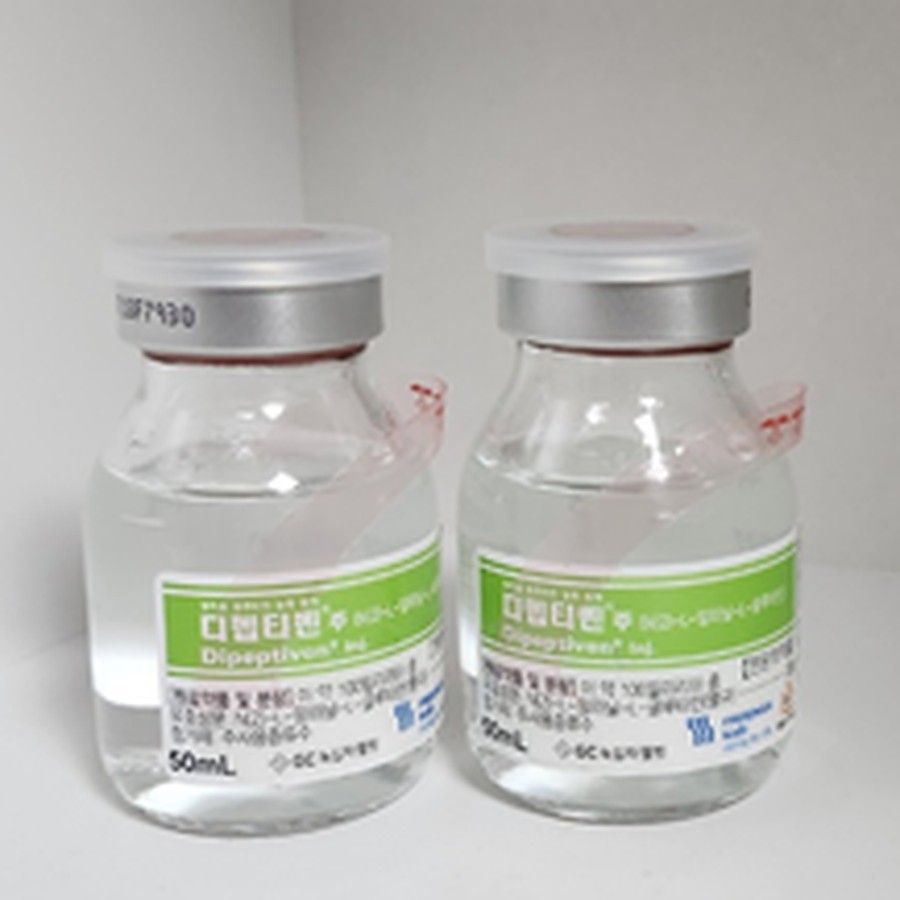
Dipeptiven Injection (High-Dose Glutamine)
Blocks inflammatory response and oxidative damage and aids recovery of the gut lining. Recommended for those with diarrhea during chemo.
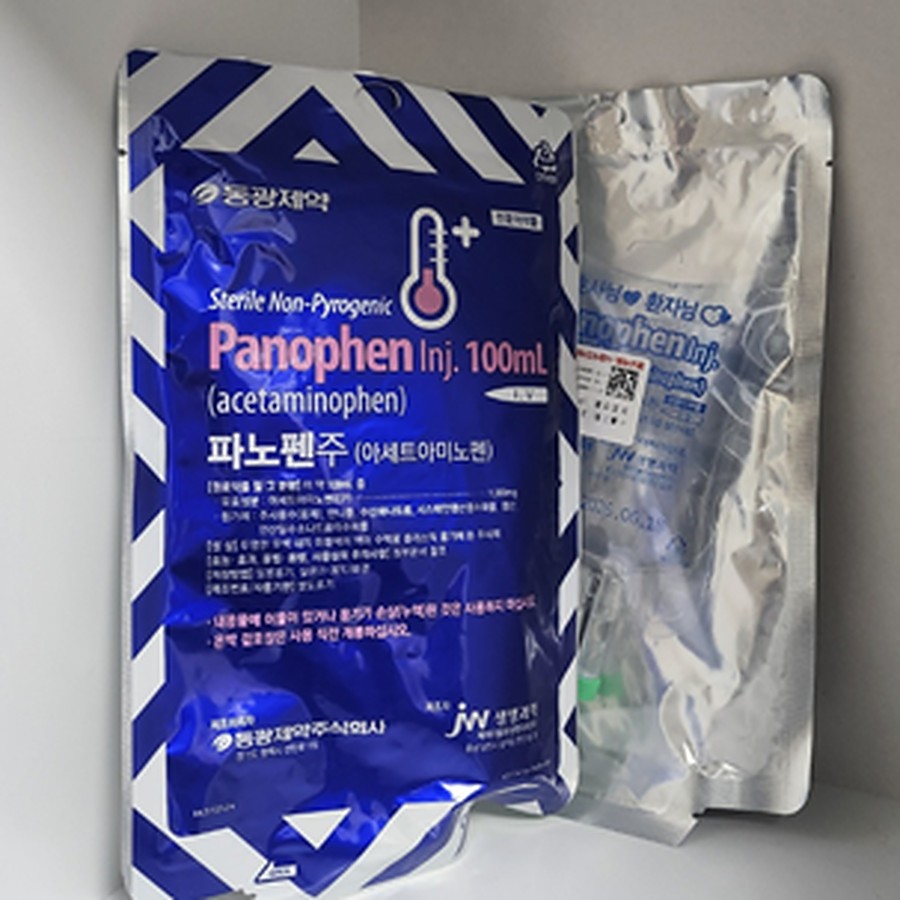
Artpen Injection
An acetaminophen IV that acts quickly on high fever, body aches, chills, headache, and muscle pain.
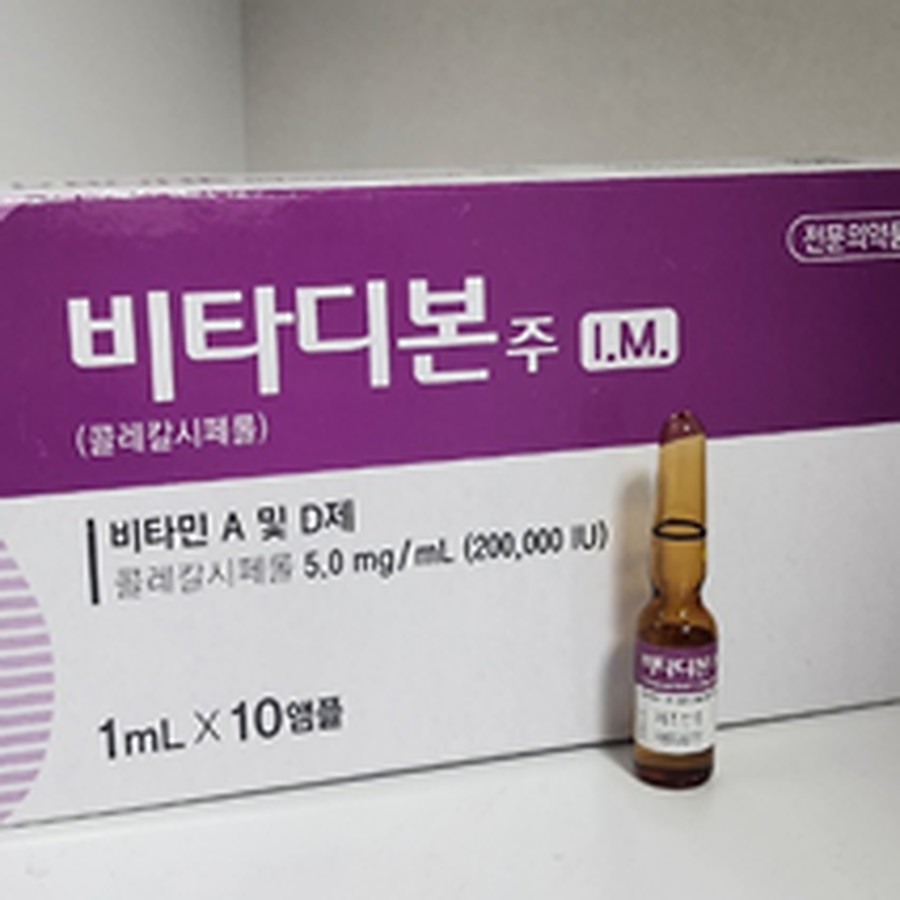
Vitamin D Injection
Supports immune T cell function and is used to treat vitamin D deficiency and prevent osteoporosis. After a blood test, three doses at three-month intervals are recommended.
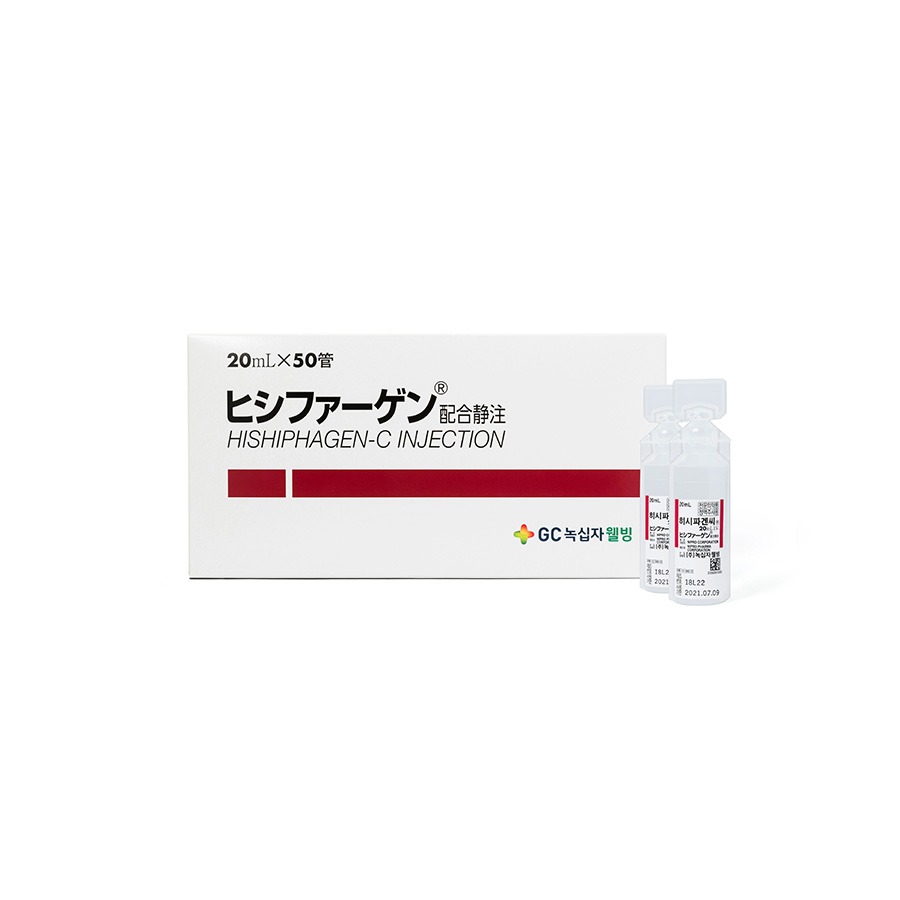
Hisiphagen C Injection
Used for detoxification, bile flow, and liver protection, it helps lower liver enzymes and lift fatigue.
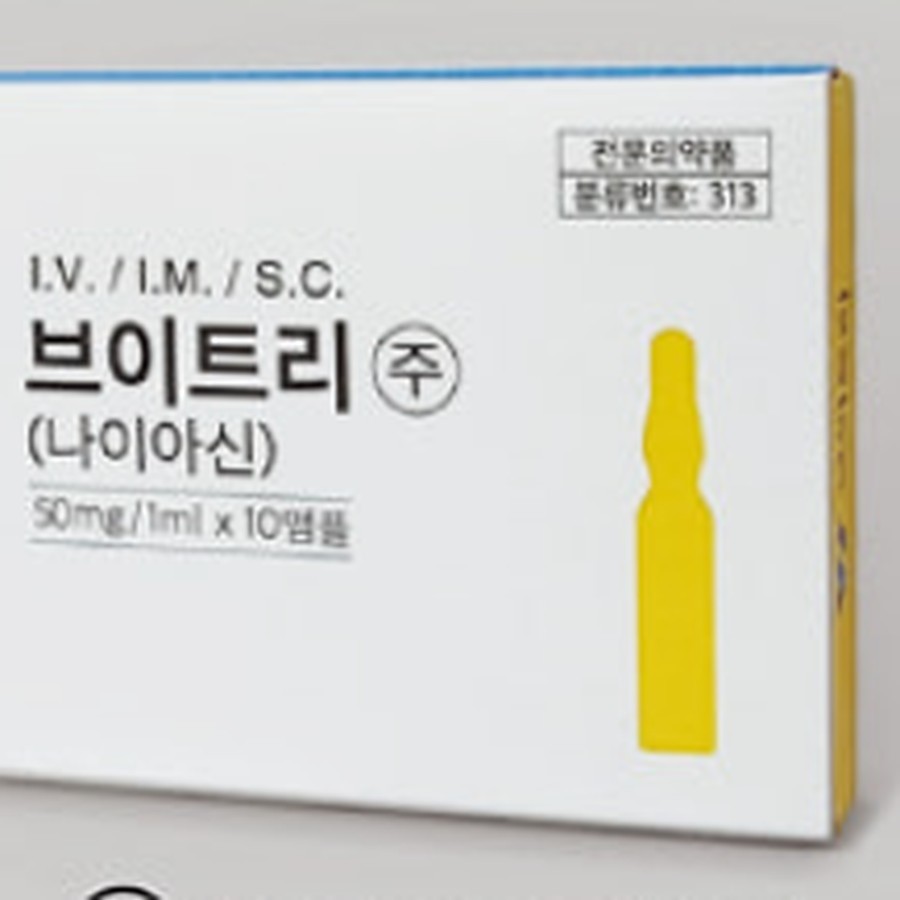
V-Tree Injection (Vitamin B3)
Dilates peripheral vessels to ease numb limbs, tinnitus, migraine, and mouth sores.
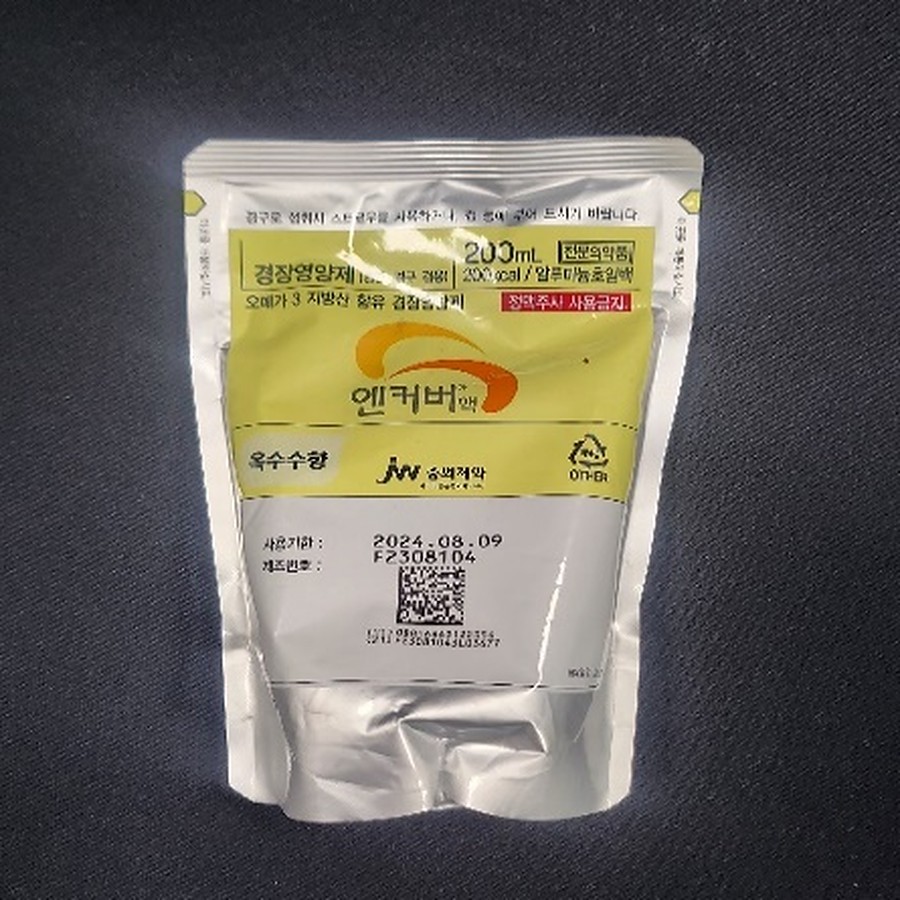
Encover Solution
A protein-amino acid preparation used for nutritional supply after surgery and when oral intake is difficult over a long period. Outpatient prescription only.
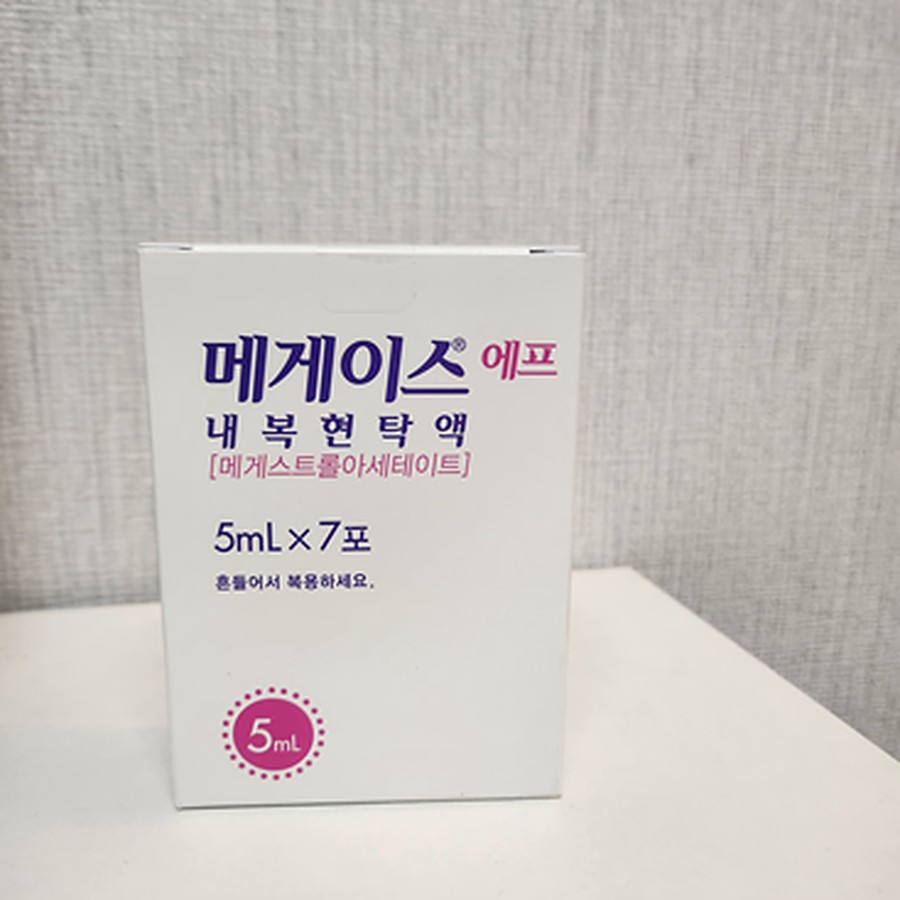
Megace Suspension
An appetite stimulant prescribed for poor appetite, indigestion, and low energy. Available only during admission.
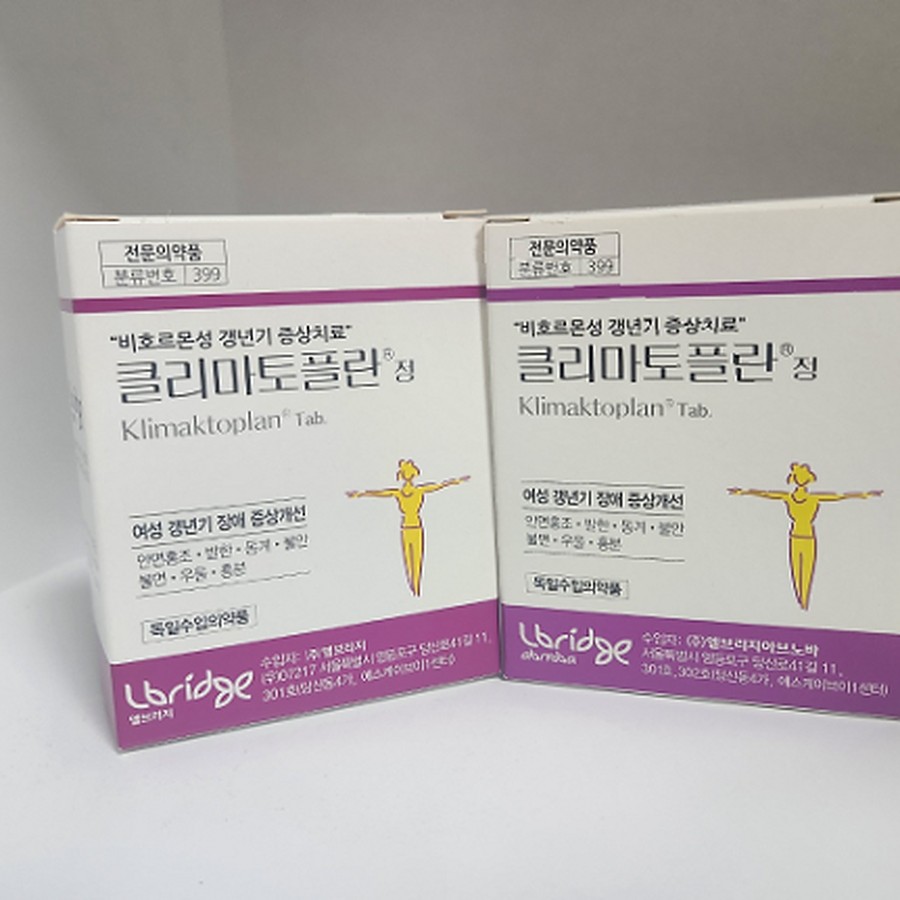
Climatoplan Tablet
A non-hormonal treatment for menopausal symptoms, improving hot flashes, sweating, anxiety, insomnia, and low mood.
Korean Medicine Treatment
Acupuncture, moxibustion, and thermal therapy, timed to your condition and surgery.
Acupuncture
Eases pain, relaxes knotted muscle, and improves qi and blood circulation. Needling is timed to your condition and your surgery.
Bungu Acupuncture
For those uneasy about needles, sensitive to pain, or in low condition, adhesive sticker needles allow treatment without pain.
Moxibustion
Promotes circulation and clears blood stasis to ease pain.
Stone Moxibustion
Releases both blood circulation and muscle tension, easing pain and indigestion while supporting immunity.
Cupping Therapy
Improves circulation, eases inflammation and muscle pain, and aids waste clearance.
Thermal Dome Therapy
Raising body temperature strengthens immunity and aids waste clearance, peripheral circulation, and metabolism.
Paraffin Therapy
Eases swollen, tingling fingers and supports skin hydration.
Hot Pack
Relaxes muscles to ease pain.
Physical Therapy (ICT)
An ICT physiotherapy device is applied to the painful area to relax muscle and ease pain.
Pulse Diagnosis
Pulse diagnosis identifies your constitution for a prescription that fits.
Care by Treatment Stage
From before surgery through after chemo and radiation, immune and rehab care designed for each stage.
Before Surgery / Treatment
1. Before Surgery / Treatment
The stage of building a body and condition that can endure cancer surgery and chemo/radiation. Strengthening stamina, boosting immunity, treating infections, and managing diet to activate immune cells such as NK and T cells.
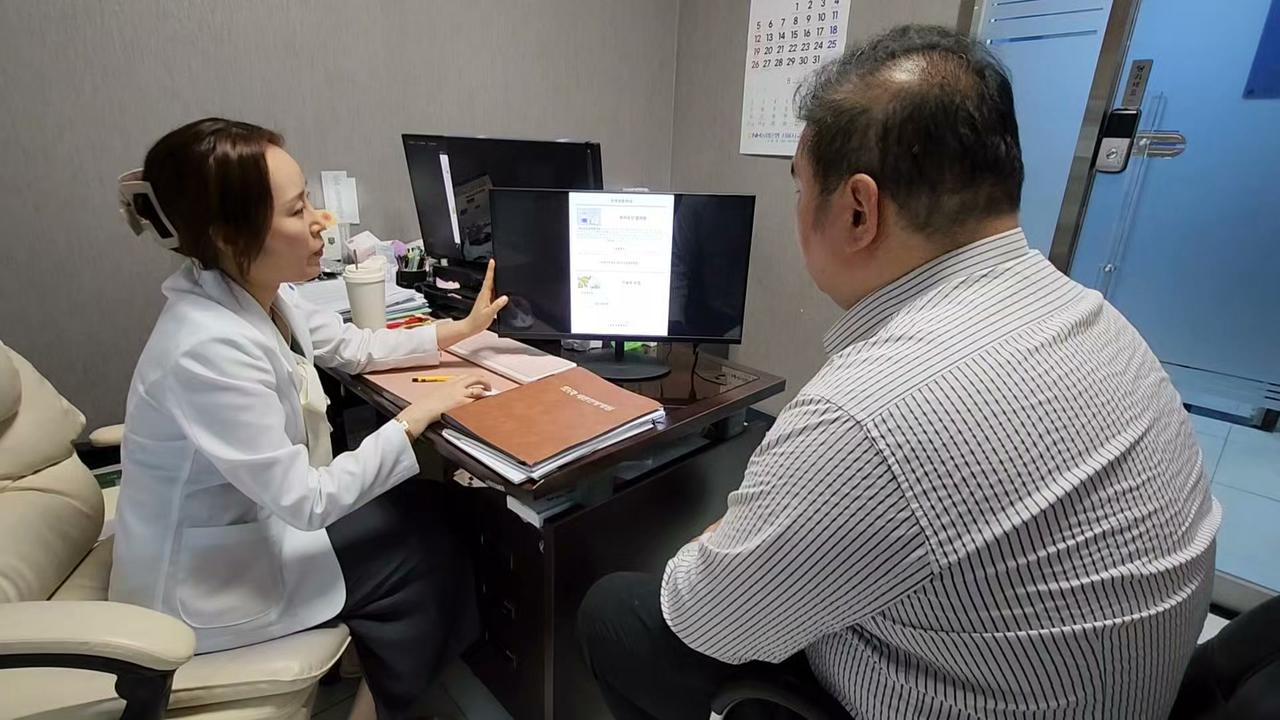
After Surgery
2. After Surgery
The stage of quickly restoring sharply lowered immunity after surgery and normalizing body function. Relieving after-effects, recovering stamina and immunity, and preventing infection to block metastasis and recurrence.
During Chemo / Radiation
3. During Chemo / Radiation
The stage of raising treatment response and managing drug resistance and cancer pain by combining hyperthermia, hyperbaric oxygen, and immune care. Supports tissue recovery and relieves lymphedema and joint stiffness.
After Chemo / Radiation
4. After Chemo / Radiation
About 70% of recurrences happen within 2 years, so immune therapy is needed for over a year after treatment. Managing side effects, eliminating micro-residual cancer cells, and stabilizing the immune system to prevent recurrence and metastasis.
Care Goals by Stage
Even with the same cancer, the goal of care shifts with the stage.
Early-Stage Cancer Cells (Stage 1)
The goal is preventing recurrence through fast recovery after surgery and keeping immune levels in normal range.
Locally Advanced Cancer (Stages 2–3)
Eases the side effects of surgery, chemo, and radiation while raising treatment effect, and prevents metastasis and recurrence through immune recovery.
Late-Stage Cancer Cells (Stage 4)
When surgery is not an option and chemotherapy continues, it raises treatment effect and eases pain and related symptoms to protect quality of life.
Why Choose This Center
Private wards, 24/7 admission, integrated care — the right environment for recovery.
Major cancer centers within 17-29 minutes
Nazareth International Hospital 17 minutes, Gachon University Gil Hospital 20, Inha University Hospital 28, Incheon St. Mary's 29 — convenient for combining immune care with standard treatment.
Integrative immune care alongside standard treatment
Rather than replacing surgery, chemotherapy, or radiation, the clinic combines immune injections, hyperthermia, and rehabilitation to enhance treatment effects and ease side effects.
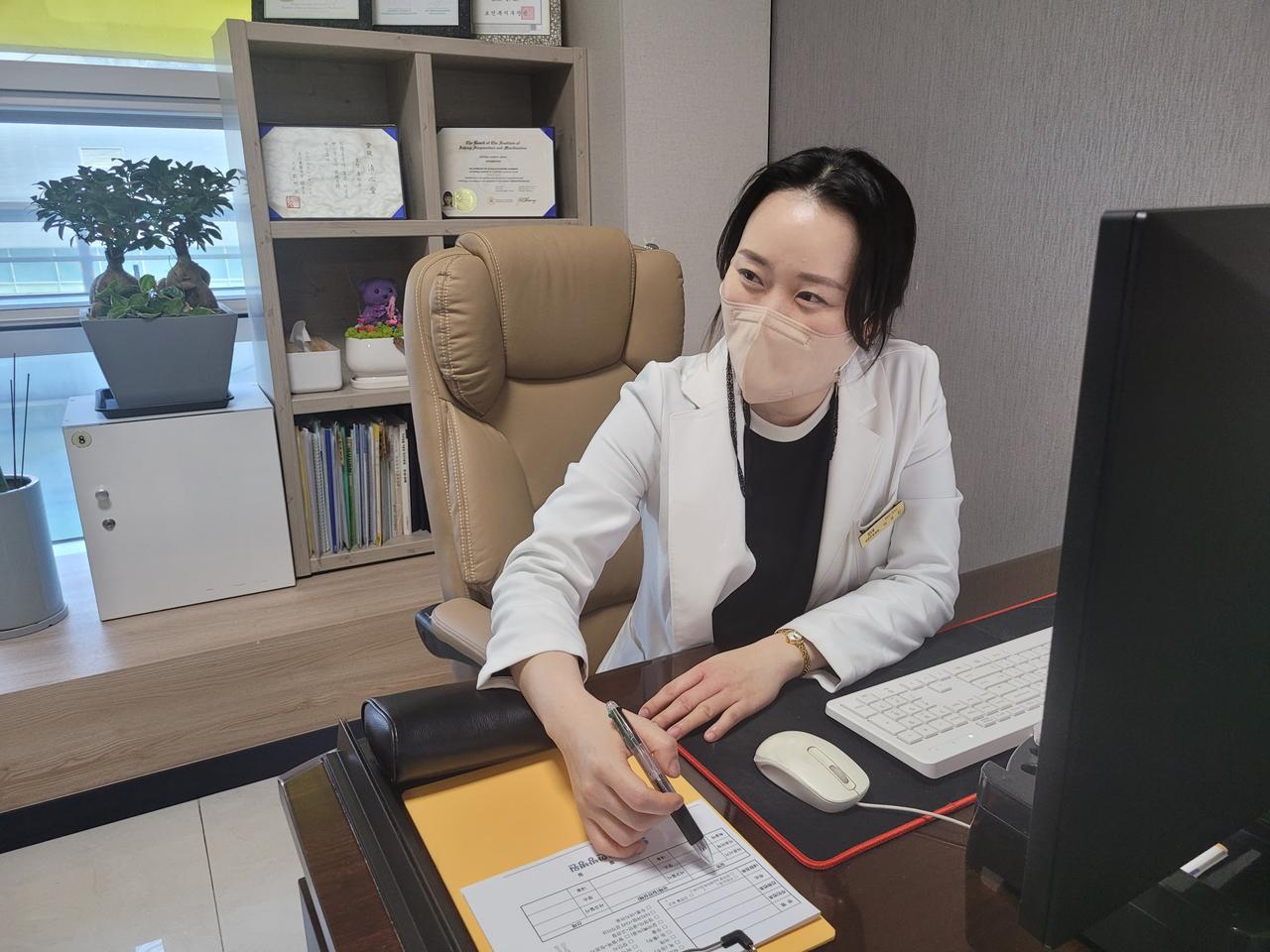
Stage-specific care and 7-point recurrence prevention
Care goals are designed by cancer stage and treatment phase — early stage (I) for fast recovery and immune maintenance to prevent recurrence, mid stage (II–III) for side-effect relief and preventing metastasis, late stage (IV) for pain relief and quality of life. Combined with 7-point recurrence prevention: immunity, body temperature, oxygen, diet, sleep, exercise, and stress.
Seven Pillars of Recurrence Prevention
Seven things to keep up even after treatment ends. About 70% of recurrences happen within two years.
Immunity
Keeps immune counts from dropping, session after session.
Body Temperature
Keep the body warm.
Oxygen
Ample oxygen supports recovery.
Food
A balanced diet matched to the cancer type continues.
Sleep
Enough sleep keeps the recovery rhythm.
Exercise
Keep moving steadily, within what your body allows.
Stress
Manage stress to lighten the load on your body.
National Cancer Registry Statistics
Based on the 2021 National Cancer Registry Statistics from the Ministry of Health and Welfare, the Korea Central Cancer Registry, and the National Cancer Center. As survival rises, care after treatment matters that much more.
People newly diagnosed with cancer in 2021
Cancer incidence per 100,000 people (crude rate)
The five-year relative survival rate rose 6.6 points in a decade
Tailored Therapy Programs
A therapy program tailored to each cancer patient helps ease a range of side effects and supports emotional release. Onco therapy (lymphatic care) and brain therapy (sleep care) run alongside.
Heart Care (Breath Care and Hwabyeong Care)
We release a chest tightened by stress and anger. Relaxing neck, shoulder, and chest muscles eases breathing and supports emotional calm.
Pain Care
Deep radiofrequency heat relaxes muscle and eases pain. It increases blood flow and manages swelling, and is used for pain after cancer surgery and for existing conditions.
Color Coaching Therapy (Psychological Care)
A program tailored to your natural disposition and psychology checks your inner state and supports healing, working through color and scent.
Care by Area
Abdominal care, line care, skin gym, Um therapy — we run area-specific programs together as needed.
Equipment & Devices
Proven equipment for precise diagnosis and treatment.
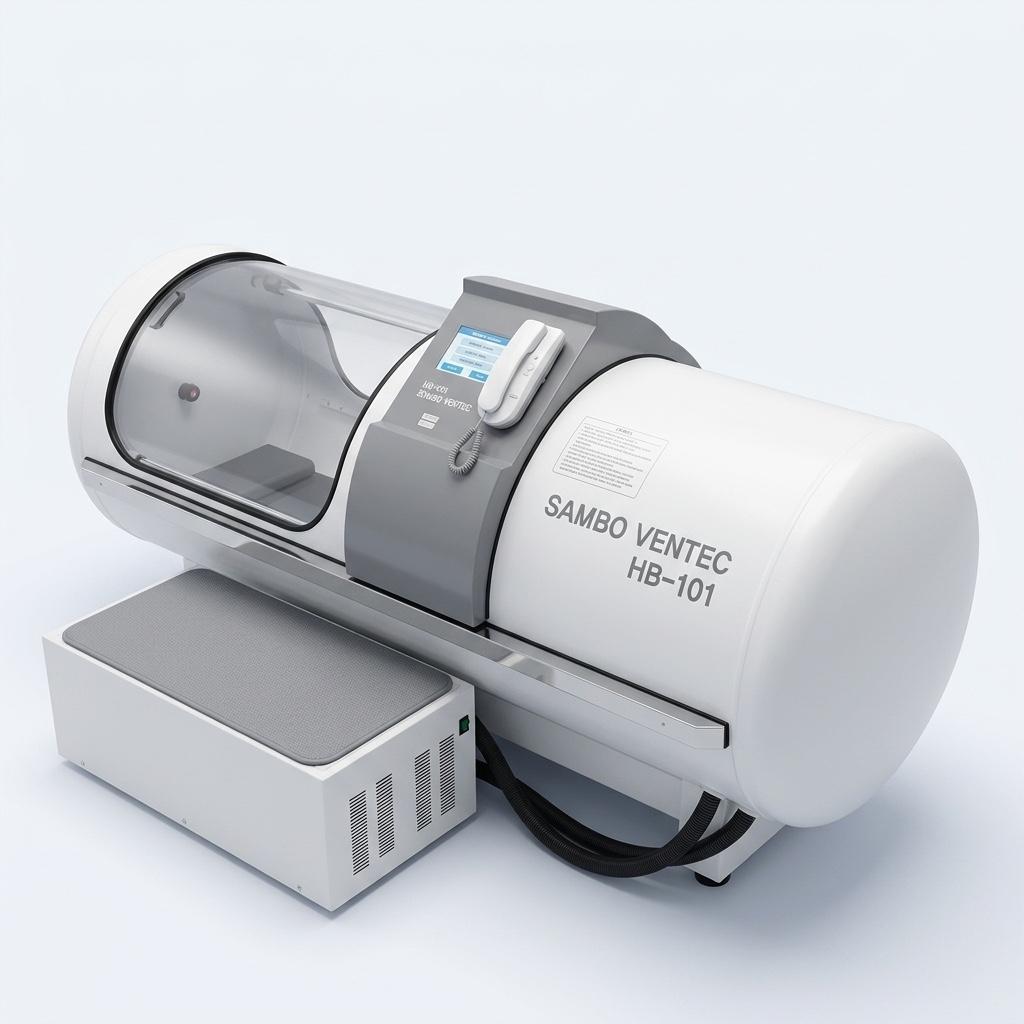
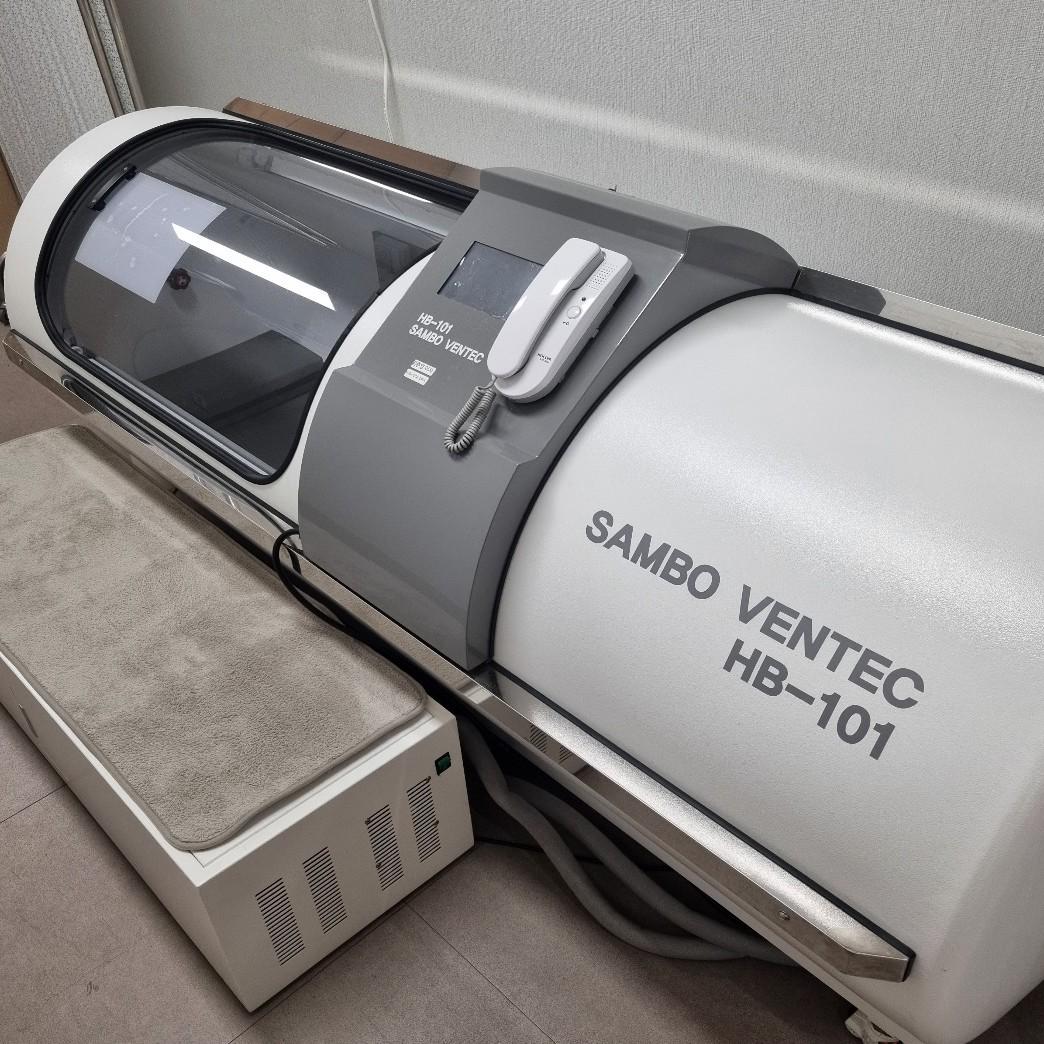
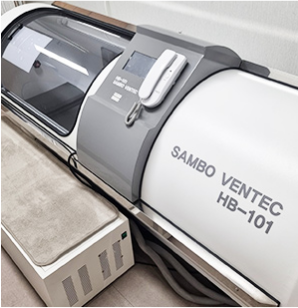
Hyperbaric Oxygen Chamber
Breathing 100% pure oxygen in a pressurized chamber raises oxygen delivery in the body.
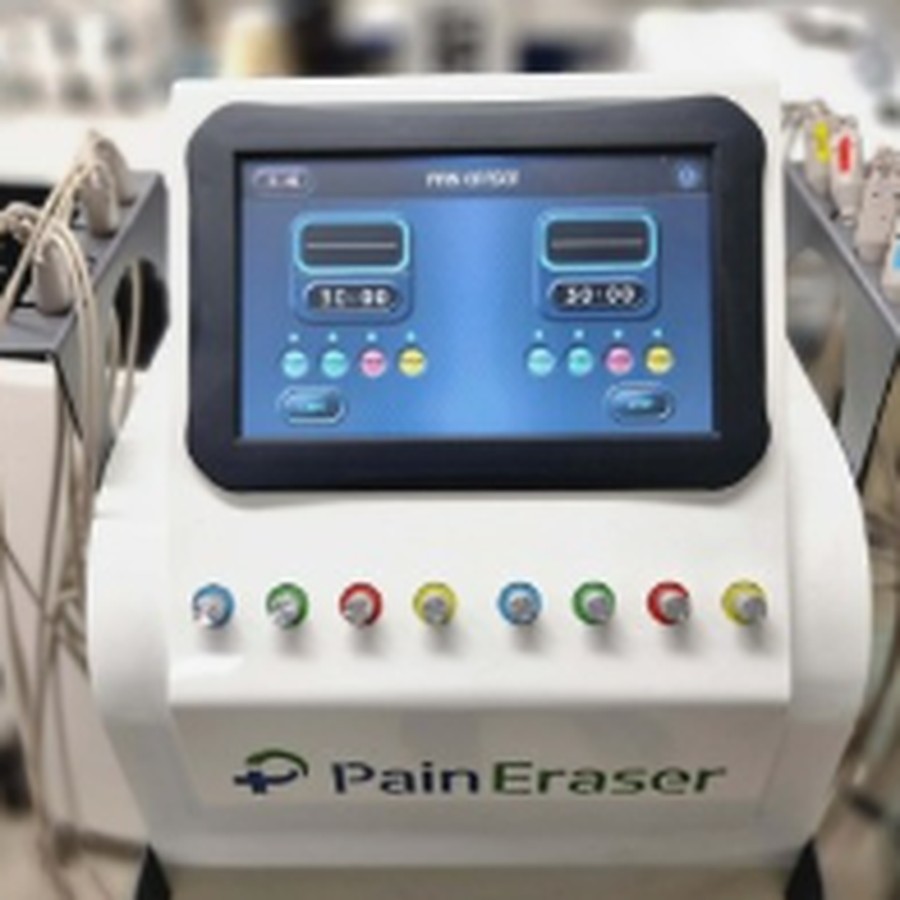
PainEraser
The PainEraser is a pain treatment device. It applies precise stimulation to the affected area, alleviating acute and chronic pain. It is also used for treating pain resulting from traffic accidents and industrial injuries.
Remission RF Therapy
A hyperthermia device that heats the tumor site to boost chemo and radiation effect.
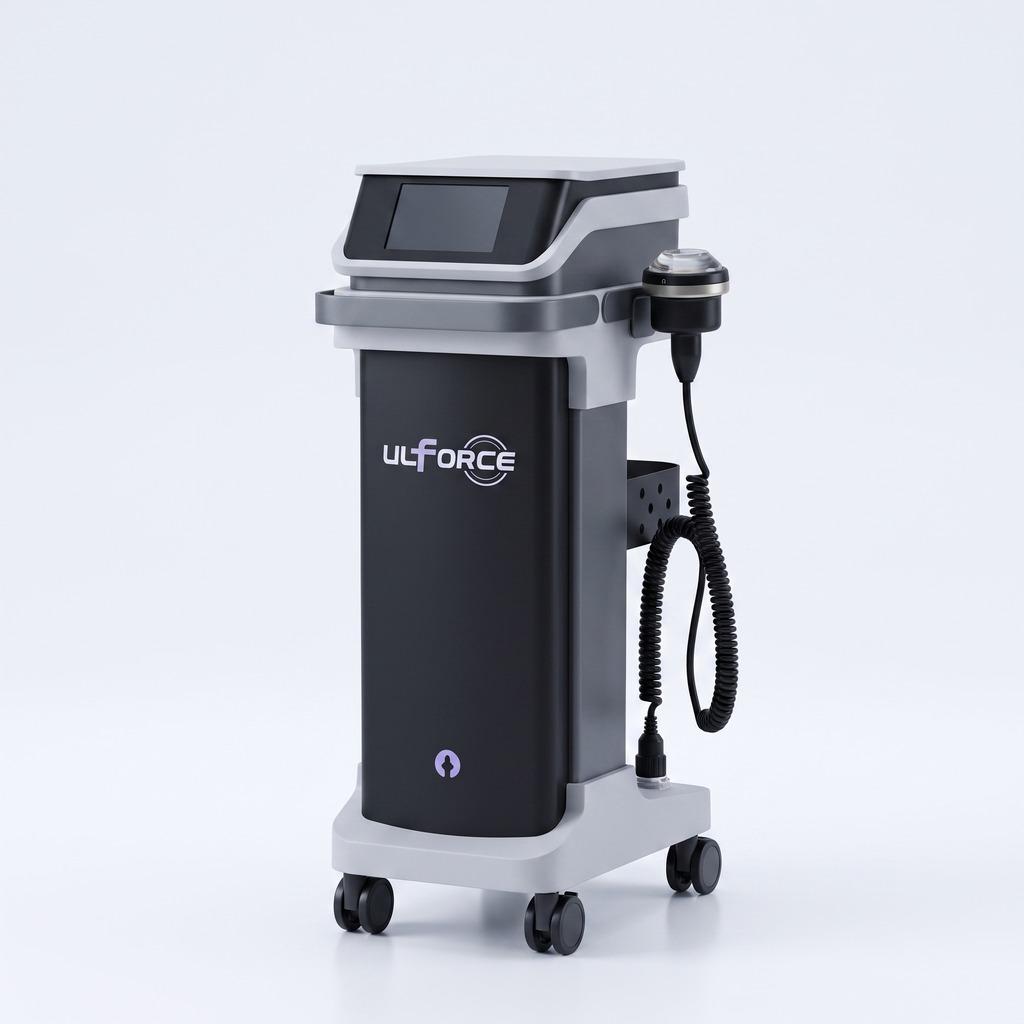
Extracorporeal Shockwave Therapy (ESWT)
Dual Wave Plus Extracorporeal Shockwave Therapy (ESWT). It delivers shockwave energy to areas of post-operative pain, musculoskeletal disorders, sports injuries, and chronic pain to aid recovery.
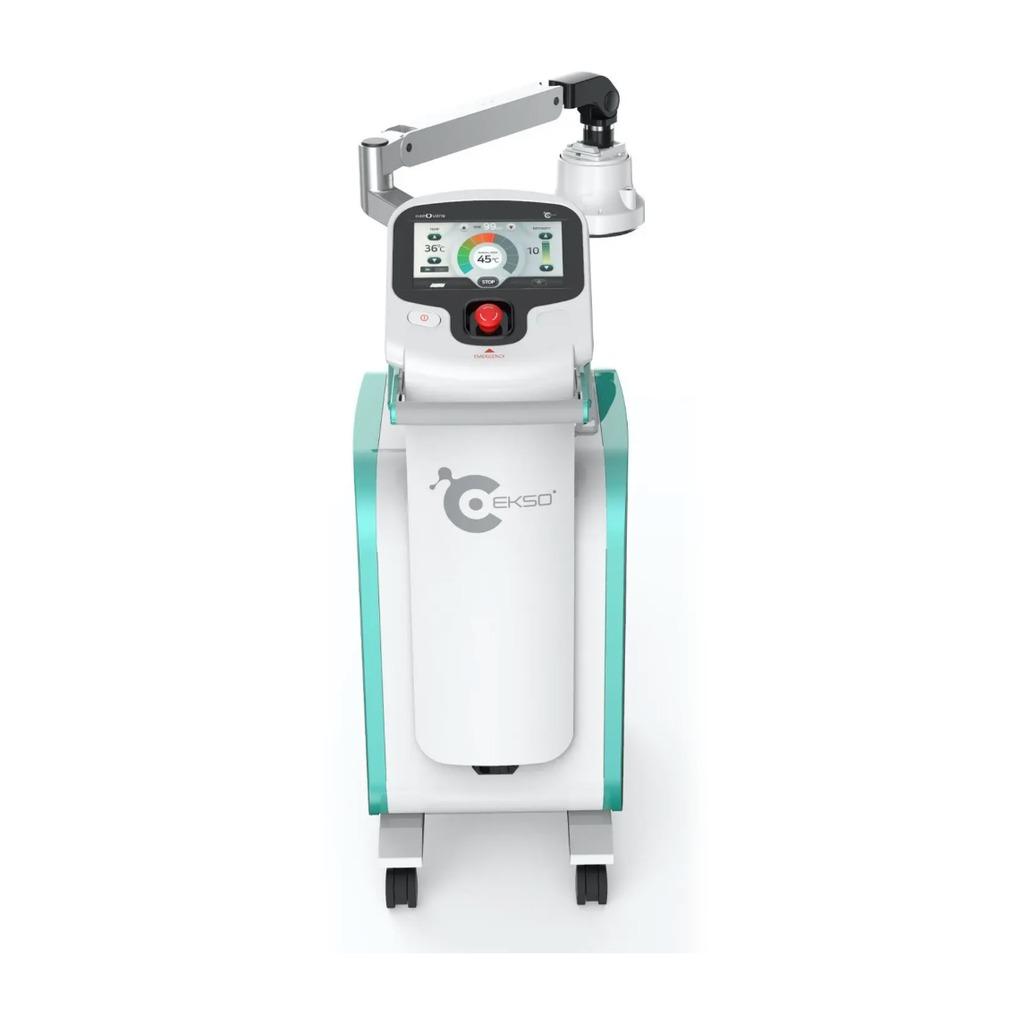
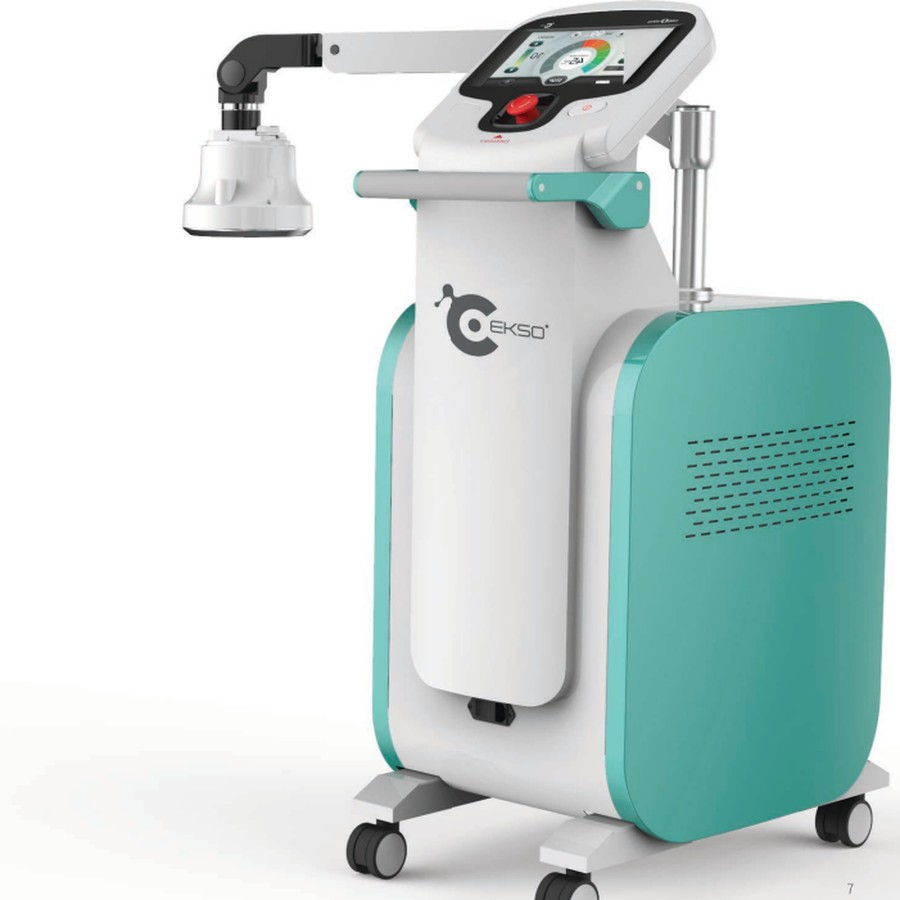
EKSO RF Therapy
A thermal therapy device that aids circulation with deep radiofrequency heat, also used for pain relief and rehabilitation.
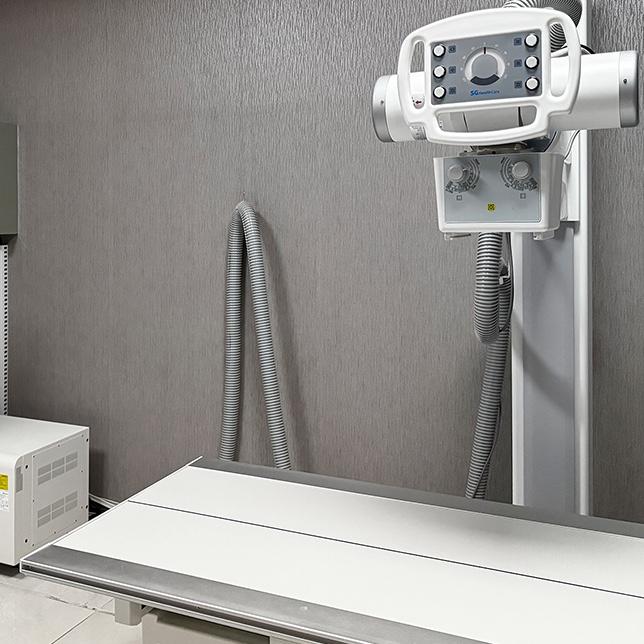
X-ray imaging
Images bone and joint structure to check for fractures, discs, and other findings.
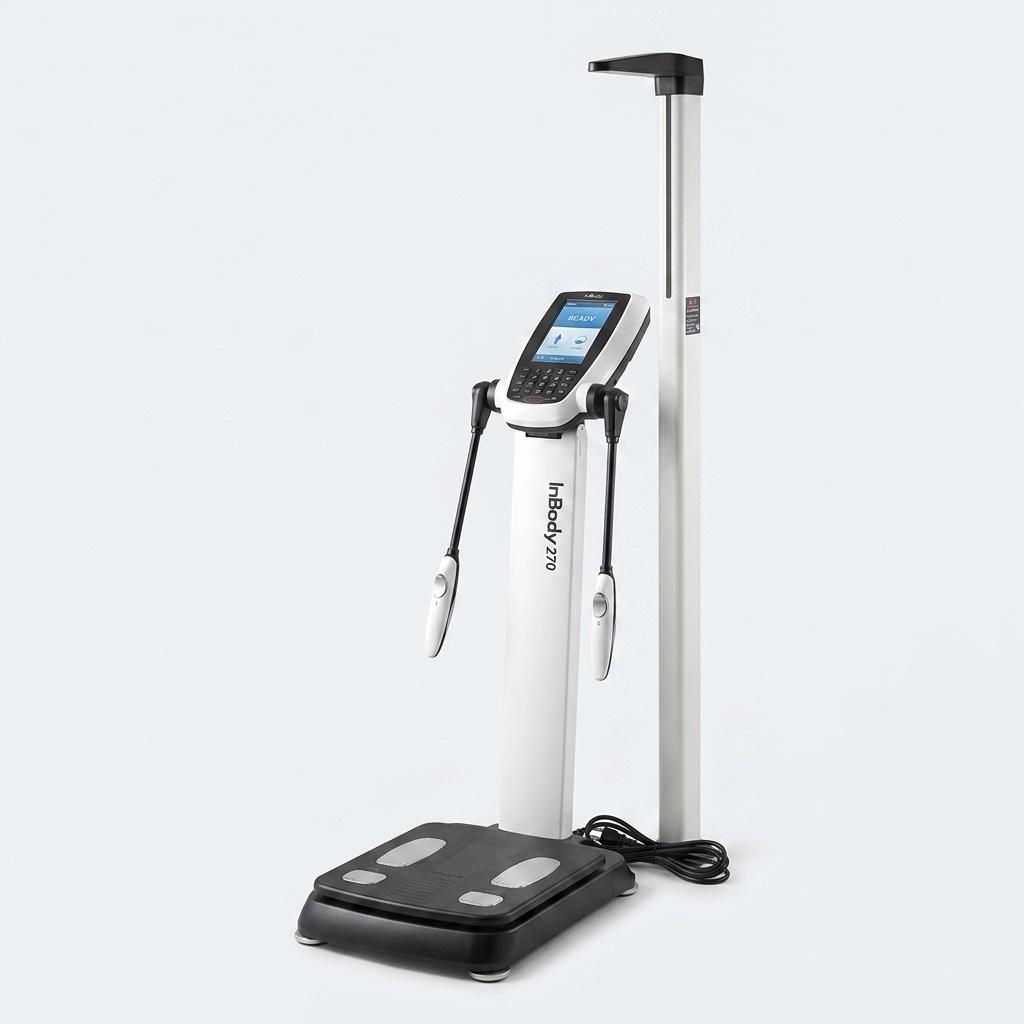
Body Composition Analysis (InBody)
Body composition analysis equipment. It measures muscle mass, body fat, water content, etc., and is utilized as an objective indicator for obesity and body shape management, as well as rehabilitation treatment.
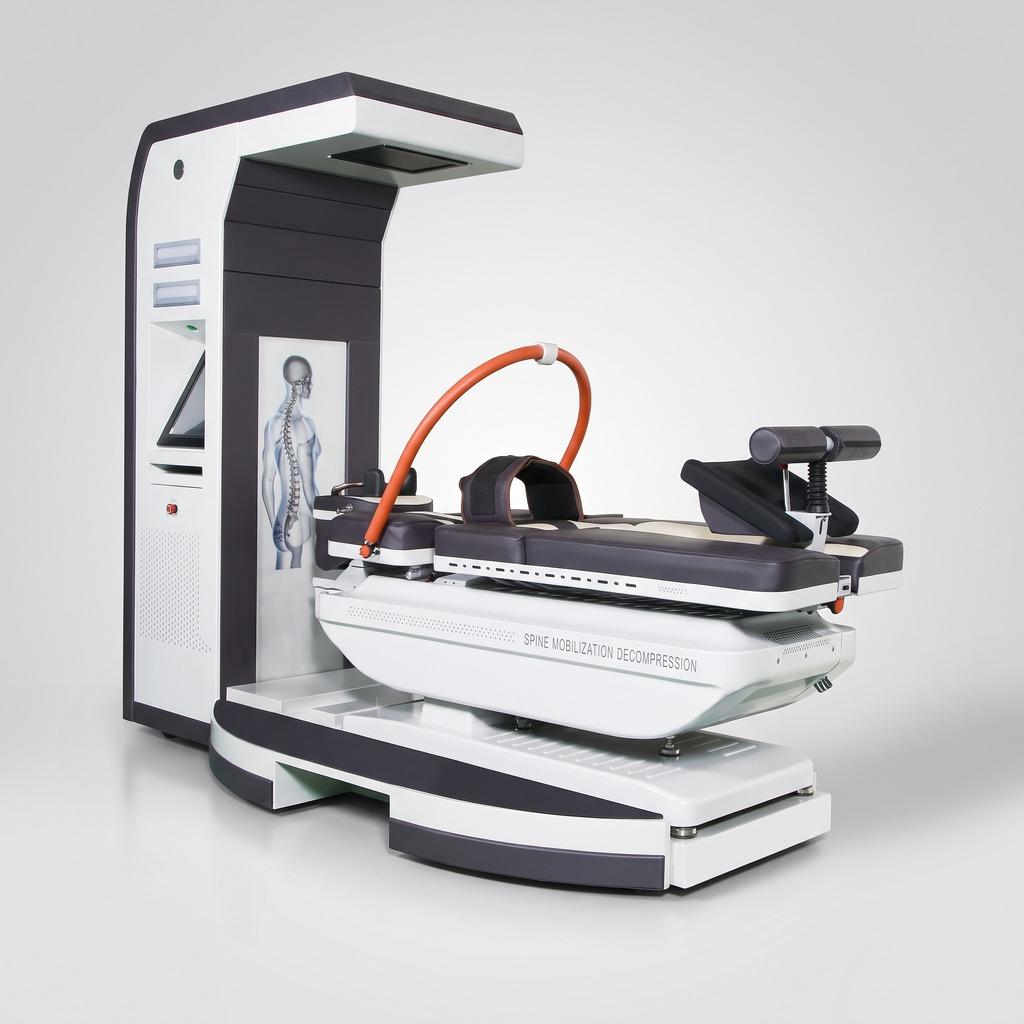
Spine MT (Traction & Decompression Therapy)
SPINE MT Traction & Decompression Therapy Device. It non-surgically alleviates disc herniation, spinal canal stenosis, and low back pain using a zero-gravity decompression technique.
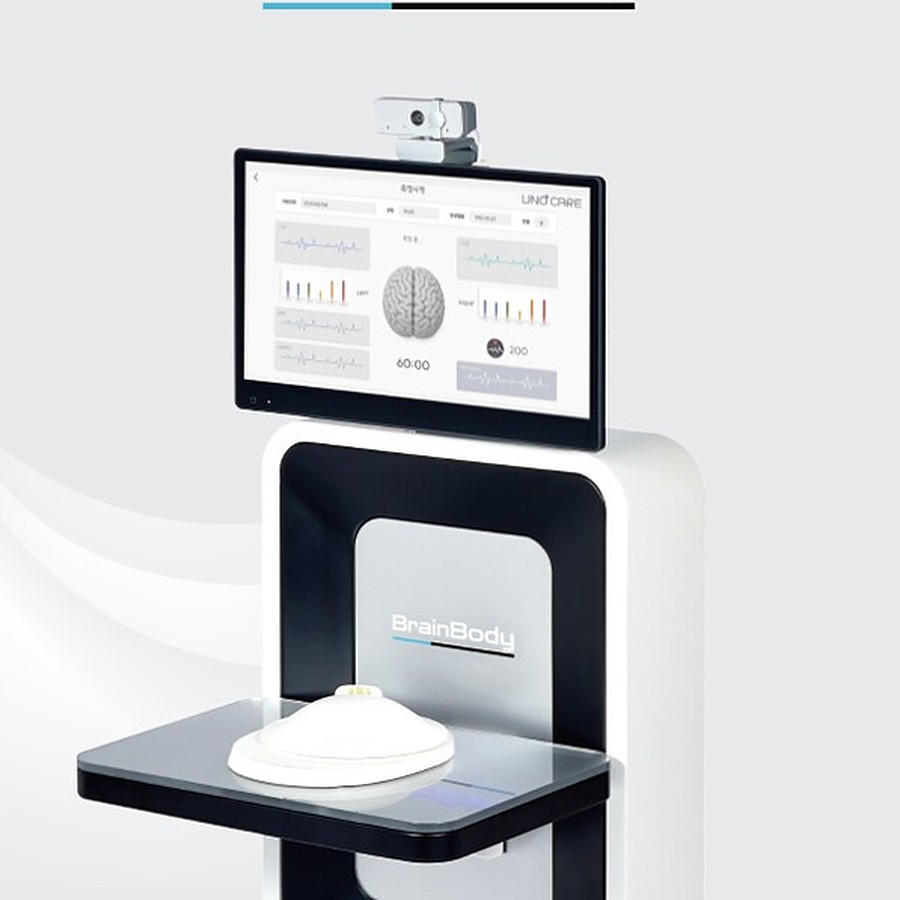
BrainBody
BrainBody analysis equipment. It analyzes brain and autonomic nervous system activity to assess stress and autonomic nervous system balance, and designs the direction for integrated treatment.
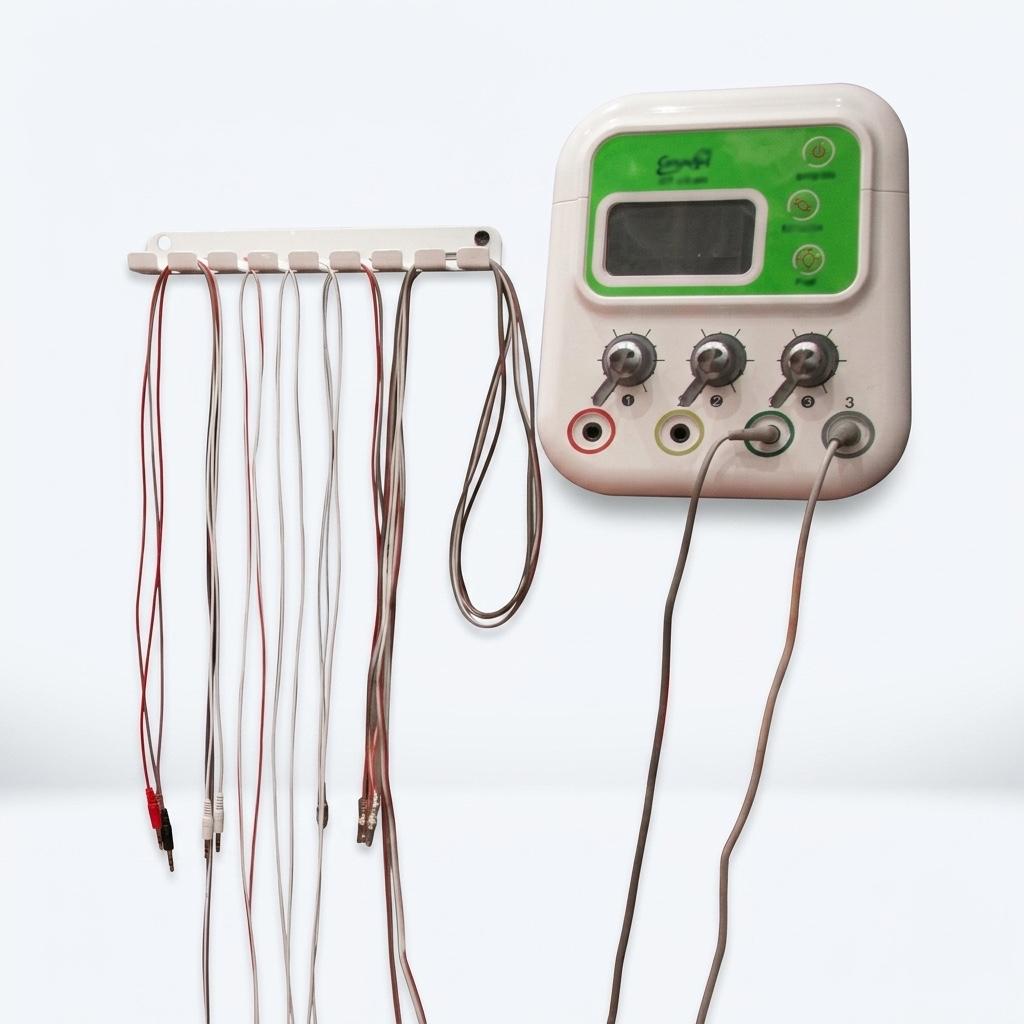
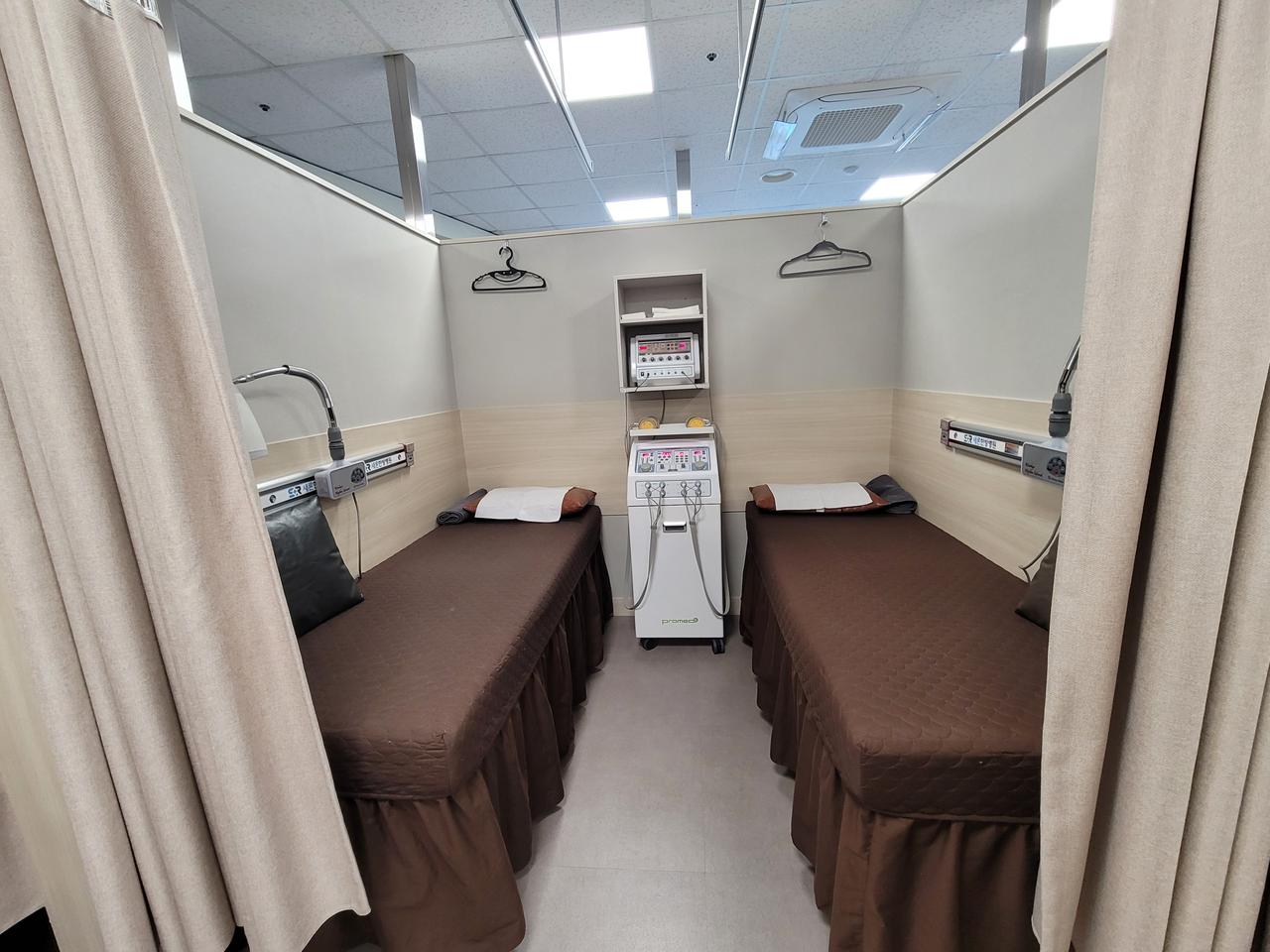
Electroacupuncture device
A micro-current through the needle strengthens pain relief and muscle stimulation.
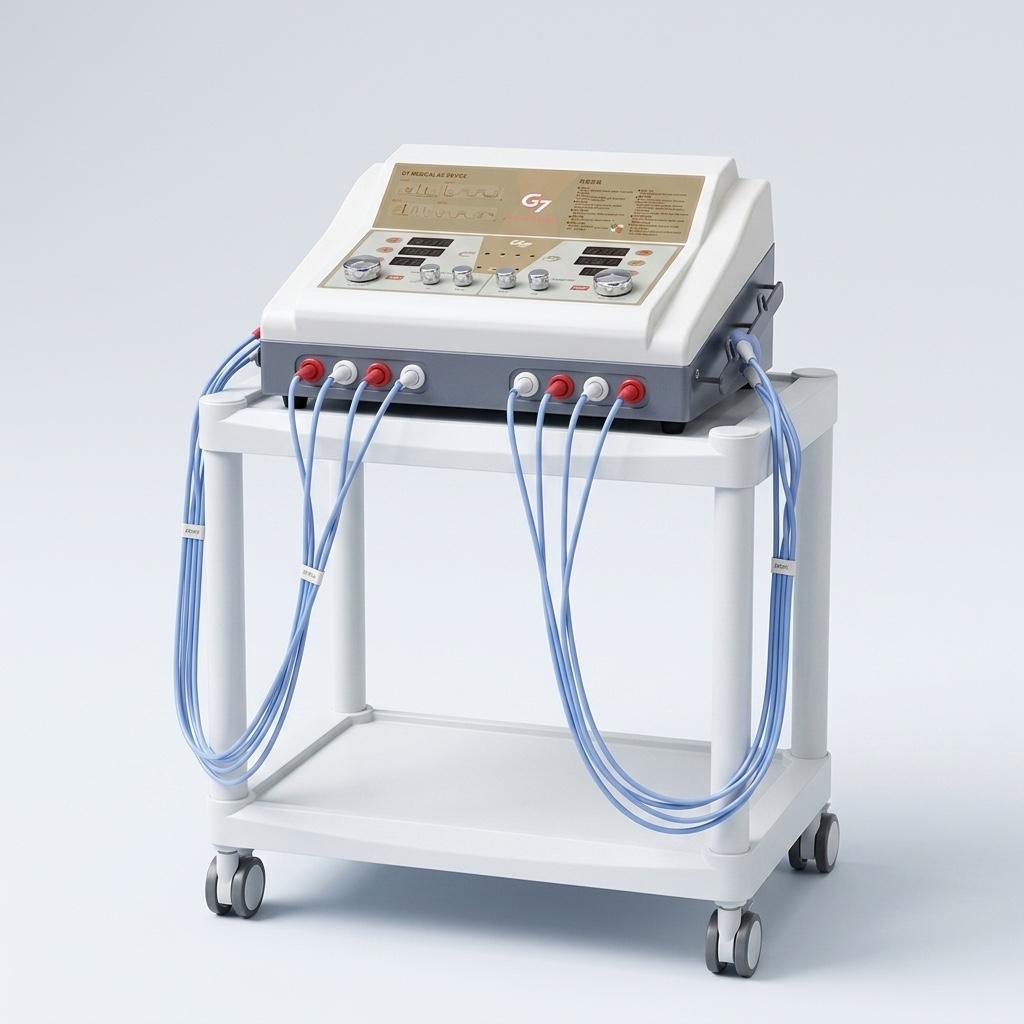
Interferential current therapy
Two medium-frequency currents cross to stimulate deep tissue, easing pain and swelling.
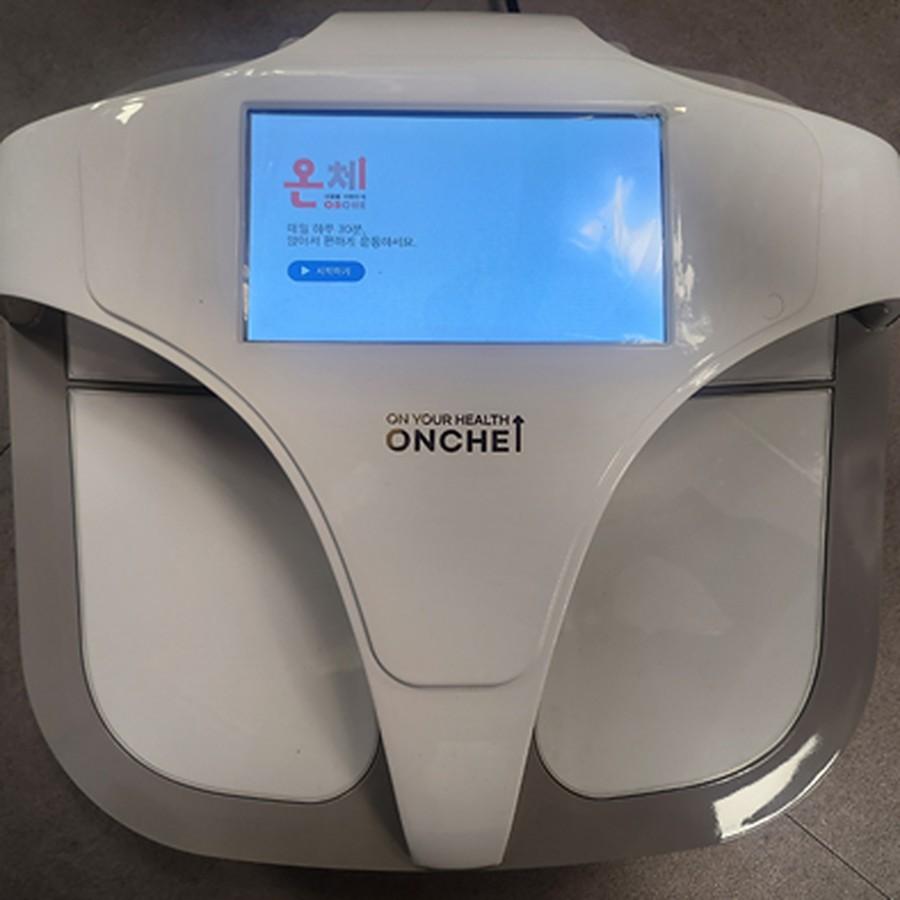
Deep-heating high-frequency
Deep radiofrequency heat eases pain and improves blood flow and circulation.
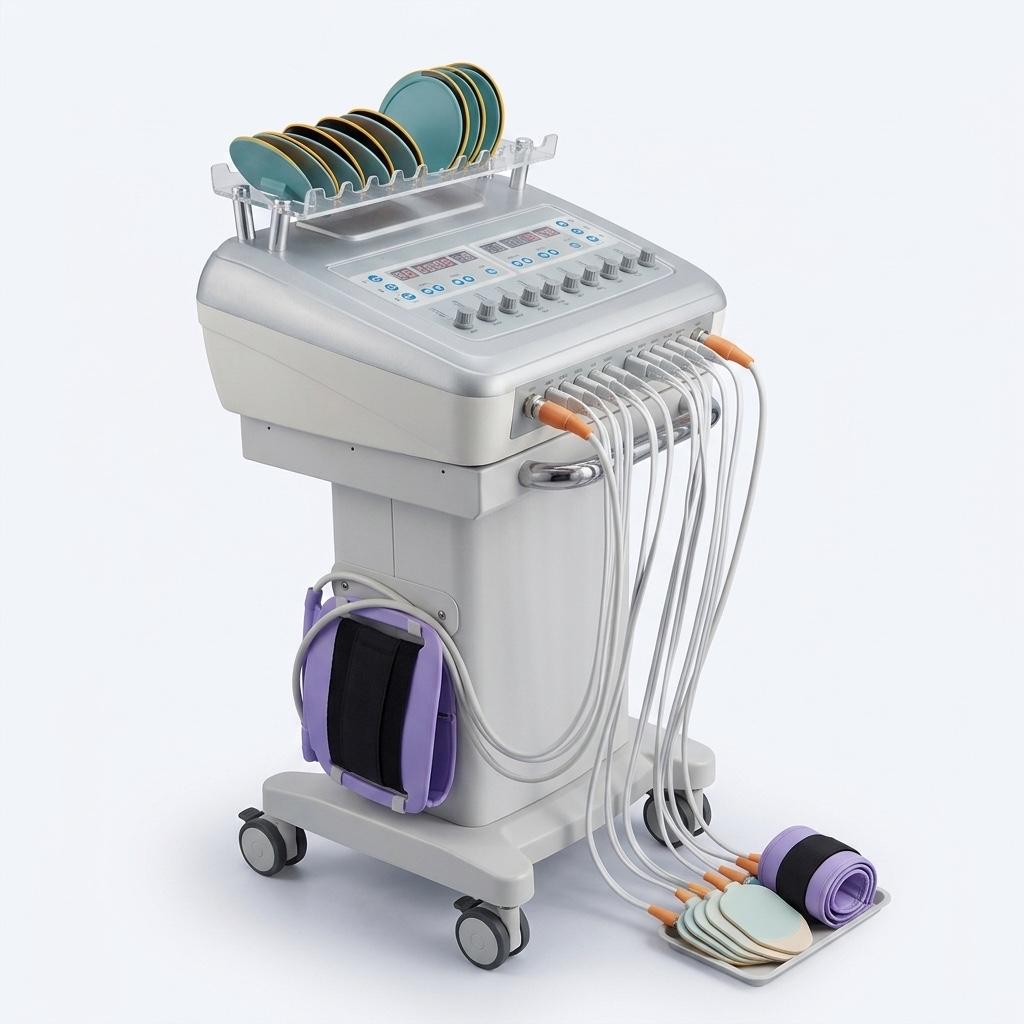
Low-mid frequency therapy
Medium and low frequency currents stimulate muscle to ease pain and relax.
Cancer-Related Testing
To set the direction and follow progress, we look at immunity, body heat, and the autonomic nervous system together.
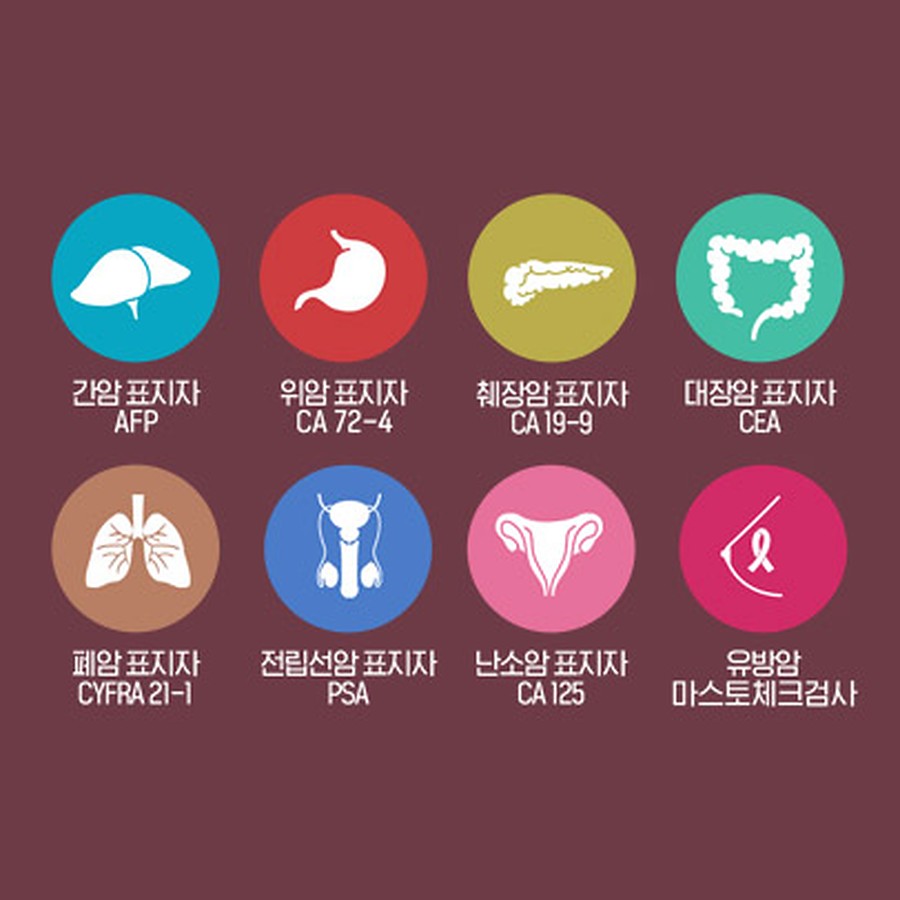
Tumor Marker Test
A small blood sample is analyzed for tumor antigen proteins to screen for six or seven cancers — liver, stomach, pancreas, colon, lung, prostate, ovary. The draw takes under five minutes; results take seven days.
NK Cell Activity Test
Blood is drawn, NK cells are activated, and interferon-gamma is measured to gauge immunity. The draw takes under five minutes; results take seven days.
Masto Check Test
A screening blood test for breast cancer. Proteomic mass spectrometry assesses breast cancer risk with high diagnostic accuracy for early-stage disease (stages 0–2).
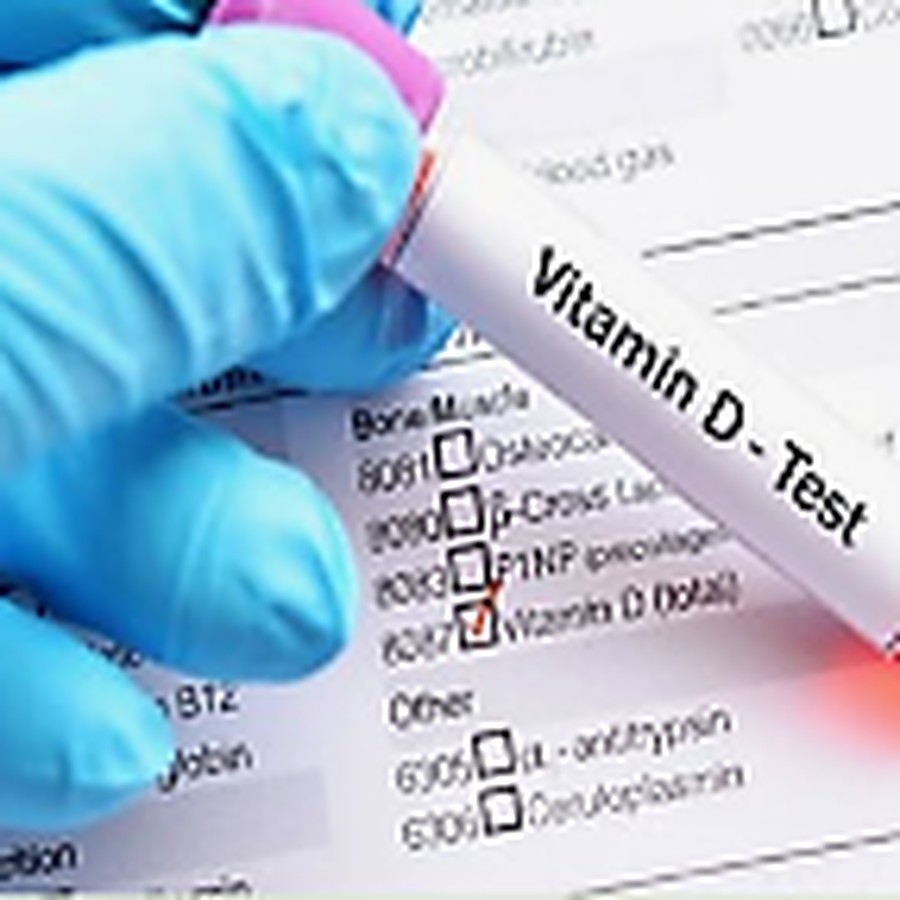
Vitamin D Test
Measures vitamin D, which is involved in calcium metabolism, bone health, and immune function. If the level is low, three injections at three-month intervals are recommended.
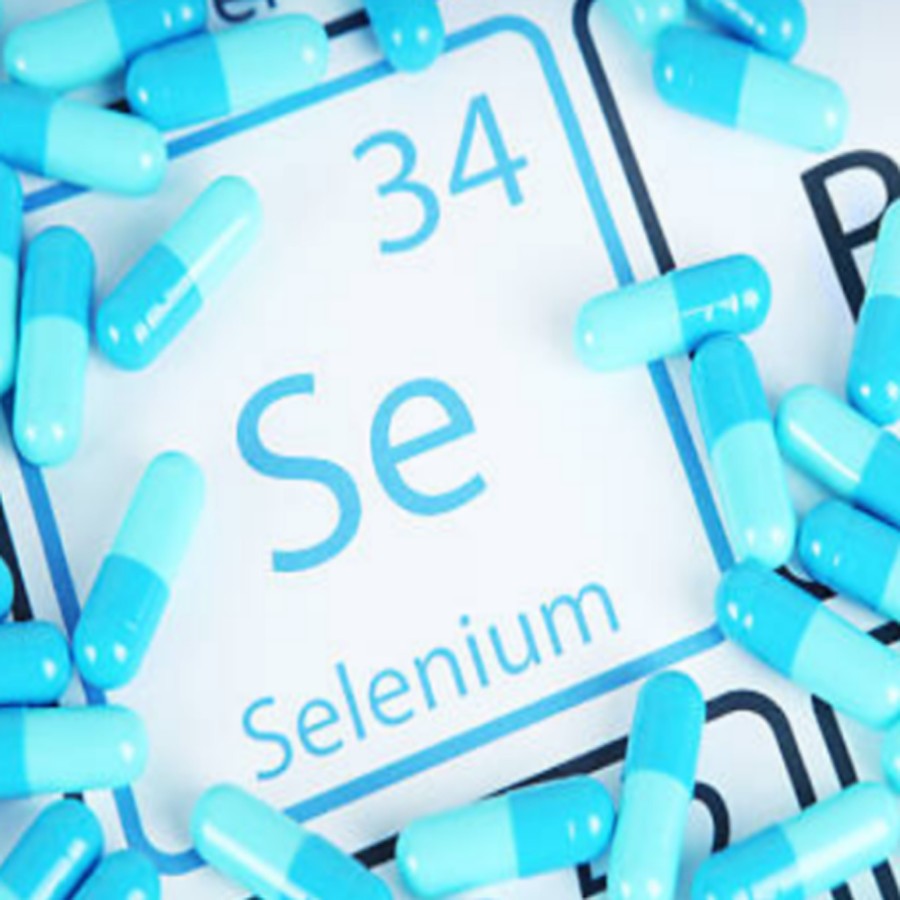
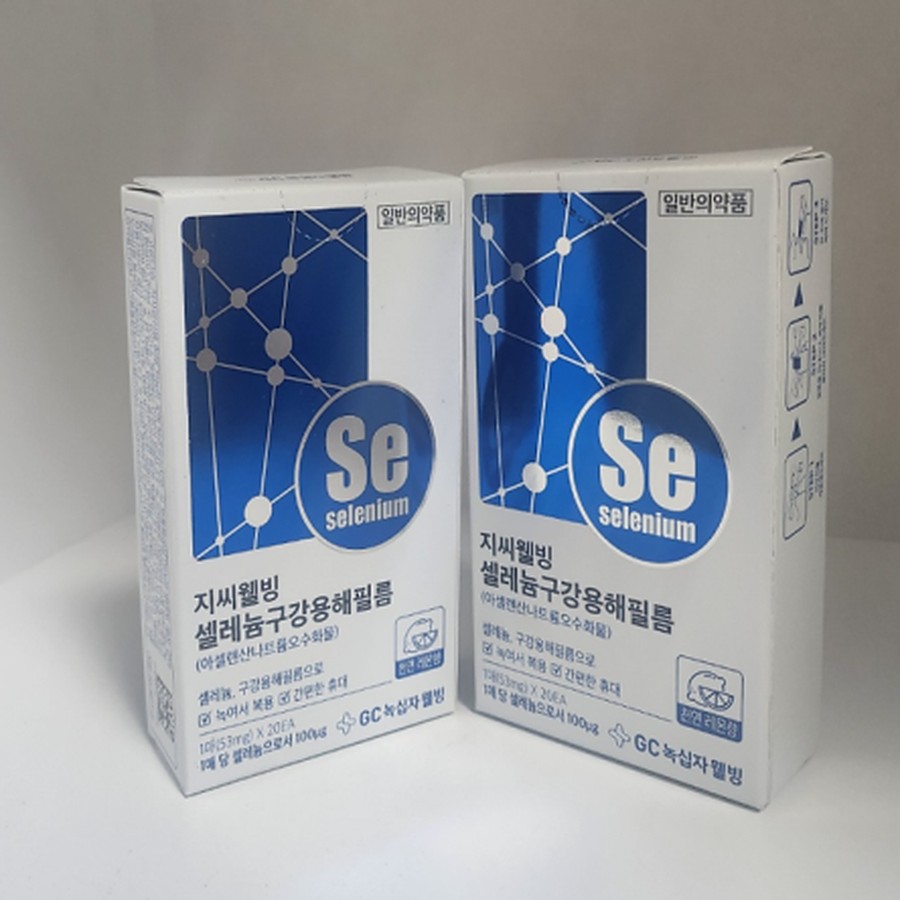
Selenium Test
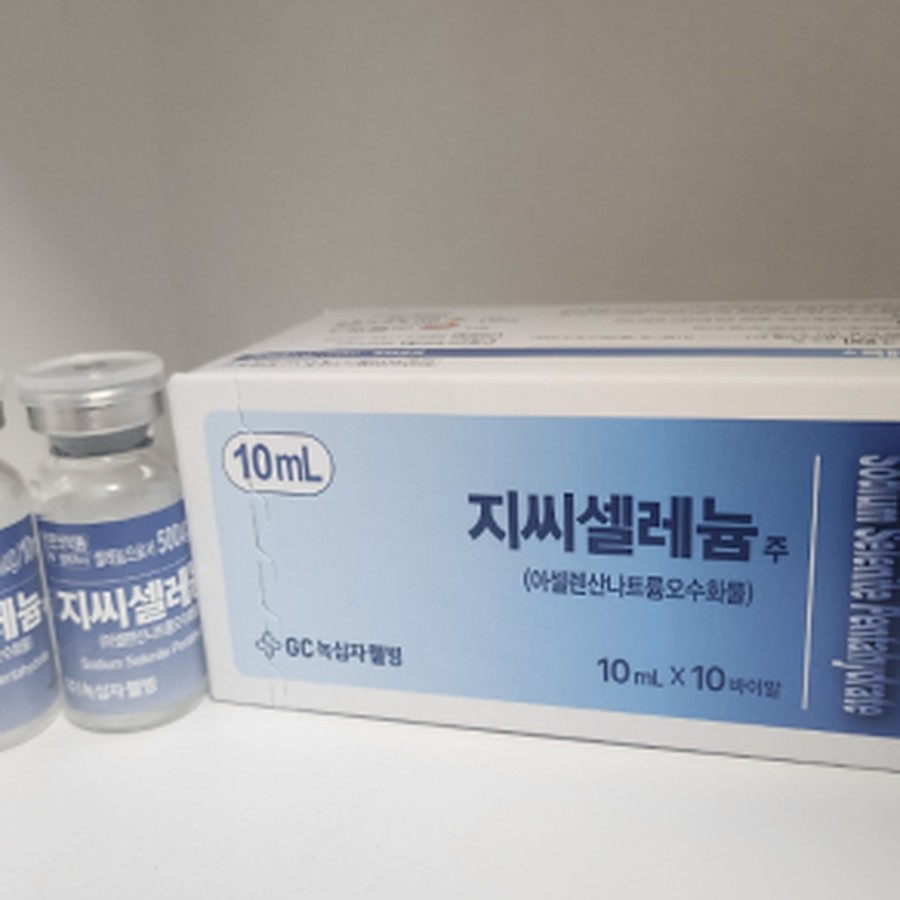
Measures selenium, which is involved in immune cell activity and antioxidant action. It also relates to stamina, recovery from fatigue, and chemotherapy efficiency.
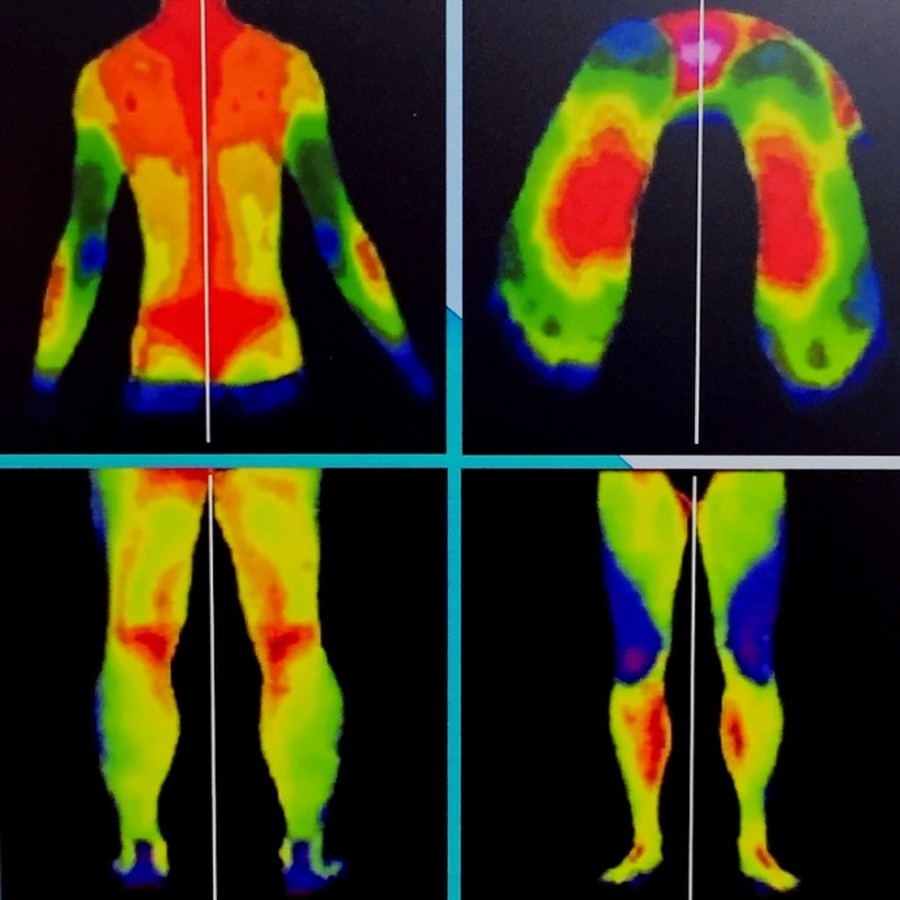
Thermal Diagnosis (DITI)
The T-1000 XD Digital Infrared Thermal Imaging (DITI) diagnostic equipment visualizes the heat distribution of the human body to diagnose abnormalities not outwardly apparent, such as post-traffic accident sequelae and painful areas.
BrainBody
BrainBody analysis equipment. It analyzes brain and autonomic nervous system activity to assess stress and autonomic nervous system balance, and designs the direction for integrated treatment.
Doctors
Meet each director's specialty and background.

Dr Lee Yoo-jin
Korean Medicine Doctor · Skin, Obesity & Cancer Immunity
Dr Choi Wan-sik
Orthopedic Specialist · Pain, Rehab, Manual Therapy & Industrial Injury

Dr Lee Geun-hyuk
Korean Medicine Doctor · Chuna Therapy, Rhinitis & Herbal Medicine

Dr Kim Seung-yeon
Korean Medicine Doctor · Gynecology, Pain, Skin & Obesity, Cancer Immunity
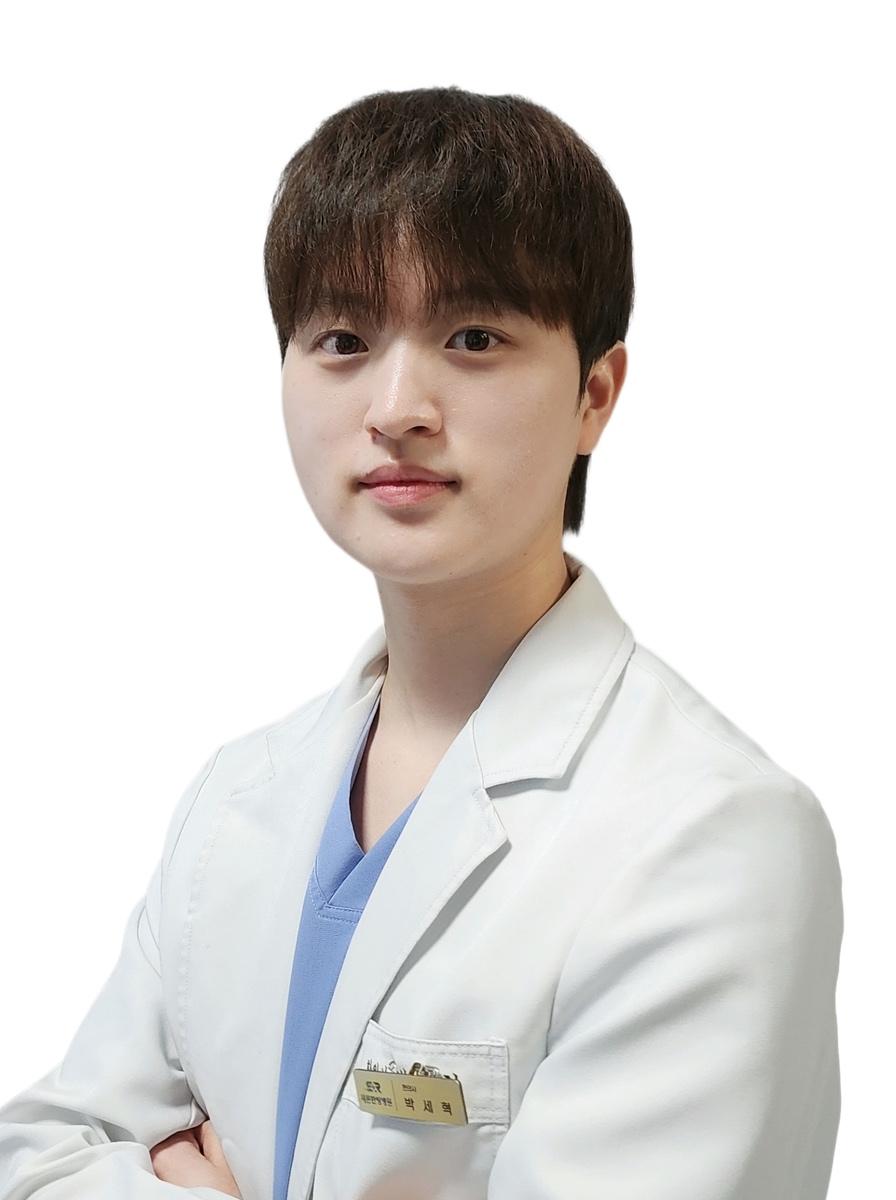
Dr Park Se-hyuk
Korean Medicine Doctor · Sports Rehab & Skin/Obesity Care
Where Treatment Happens
We have prepared a space where you can rest easy through the course of treatment.
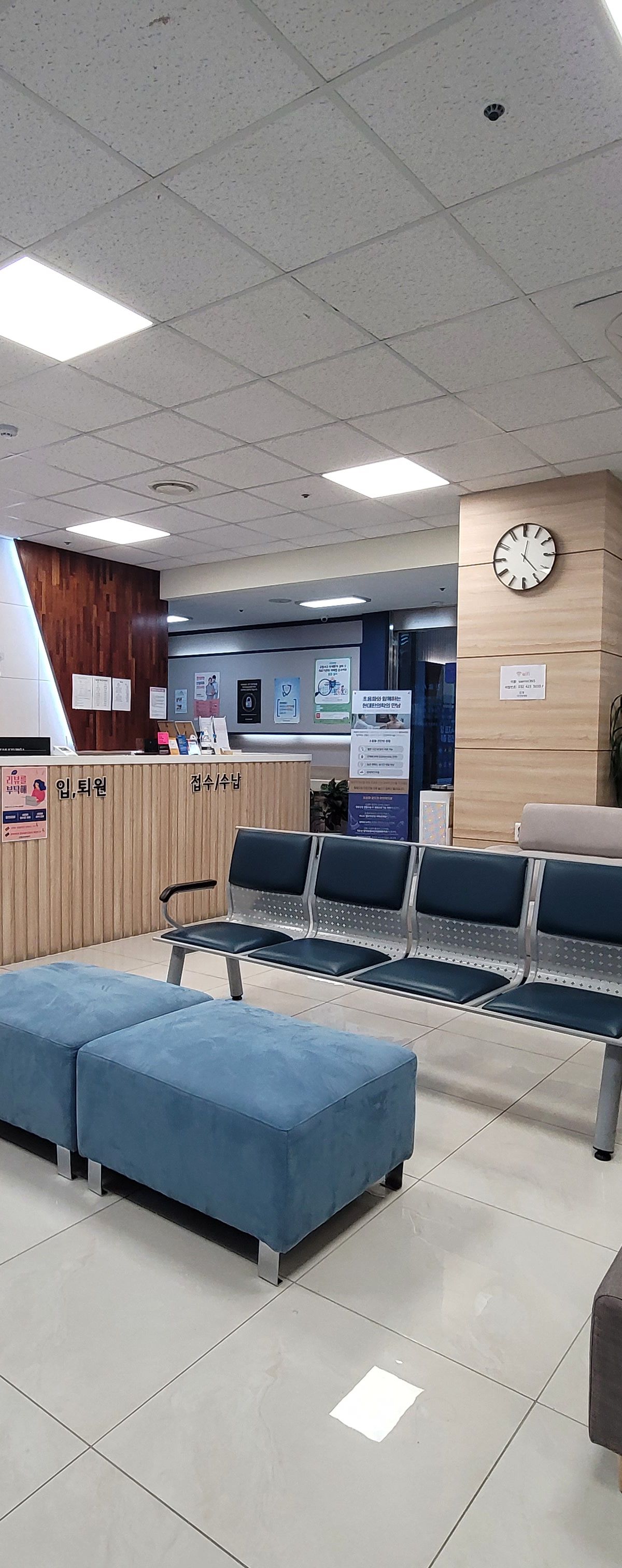
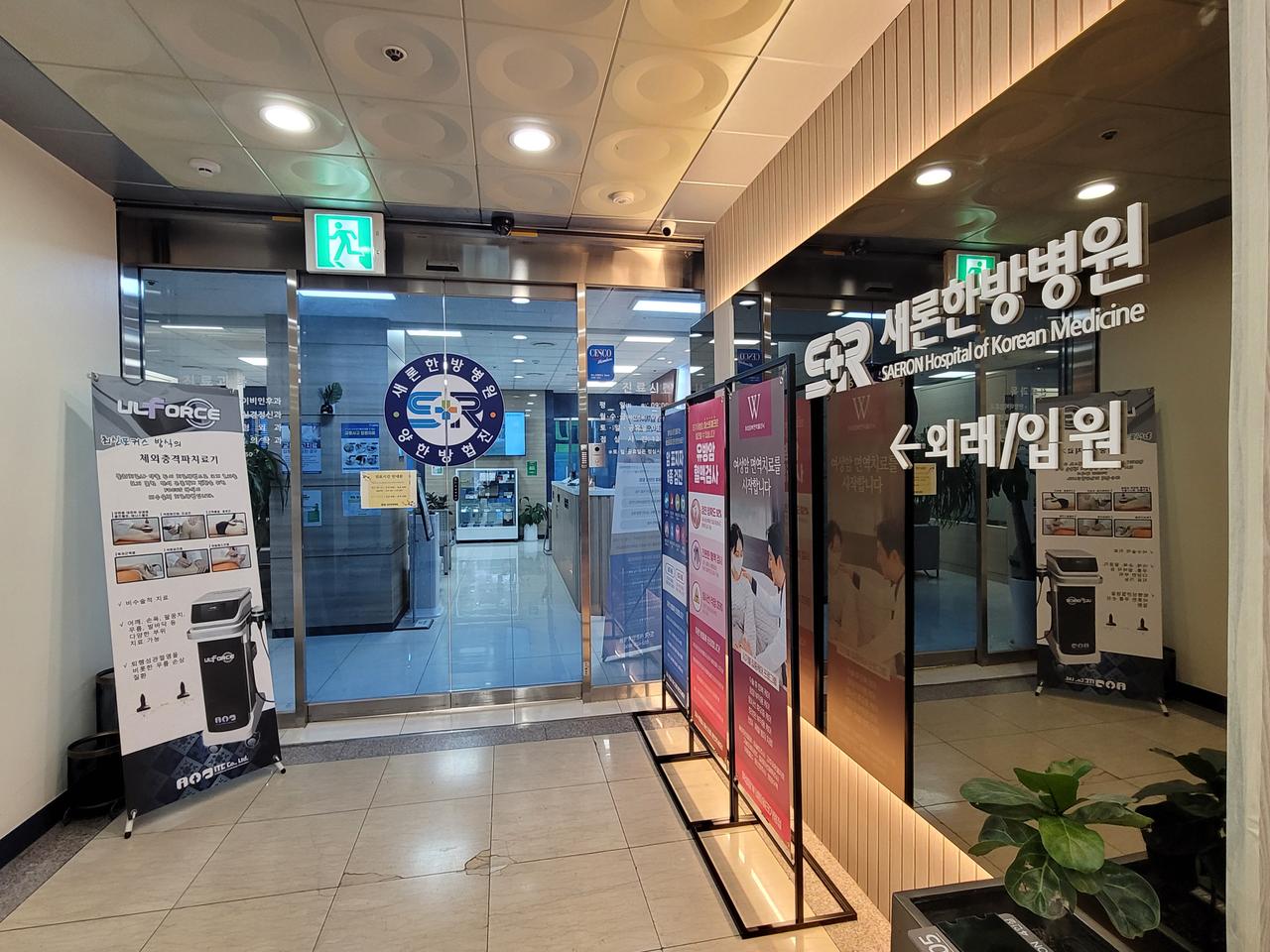
First-Floor Lobby and Reception
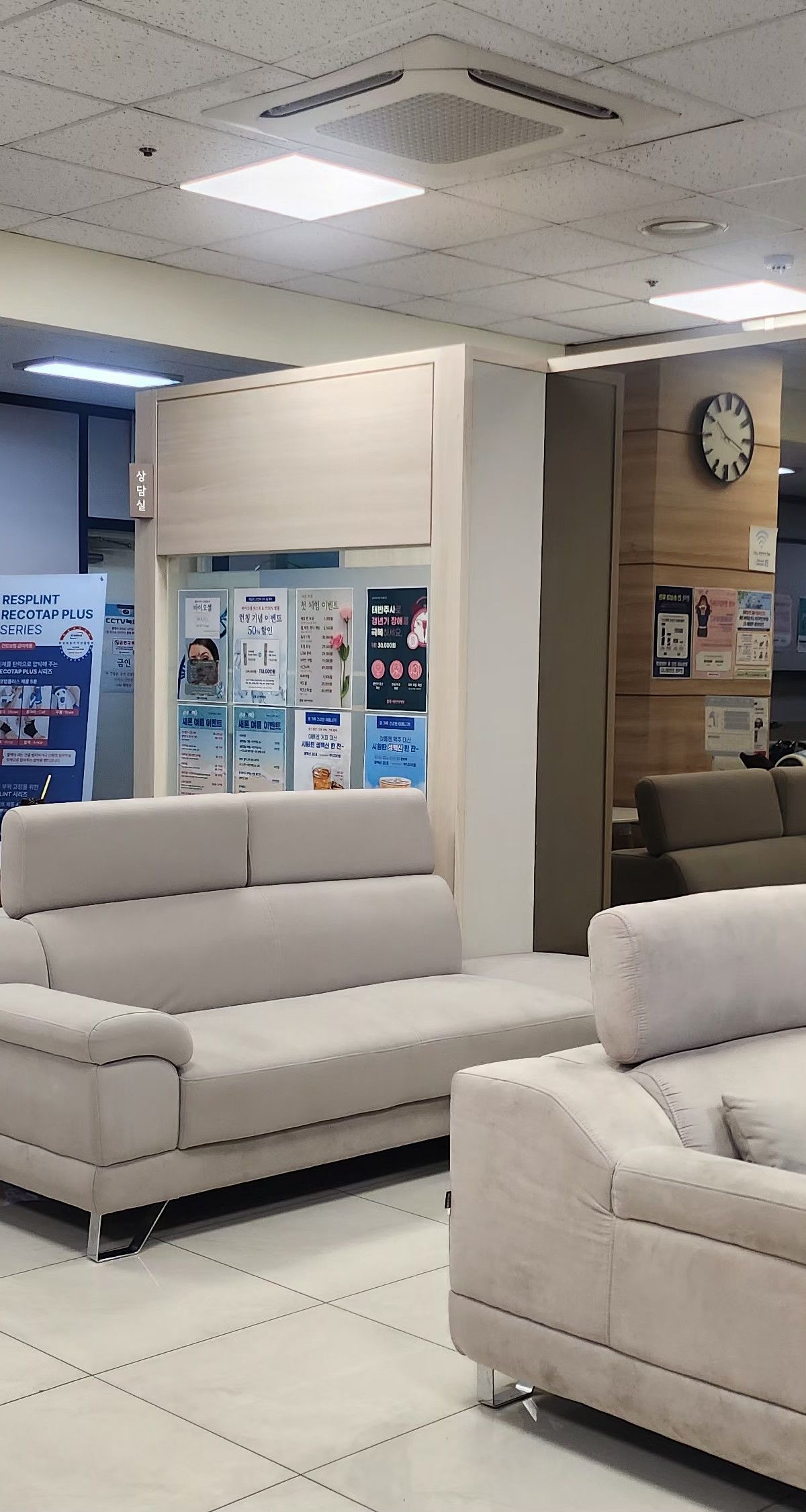
Consultation and Waiting Area
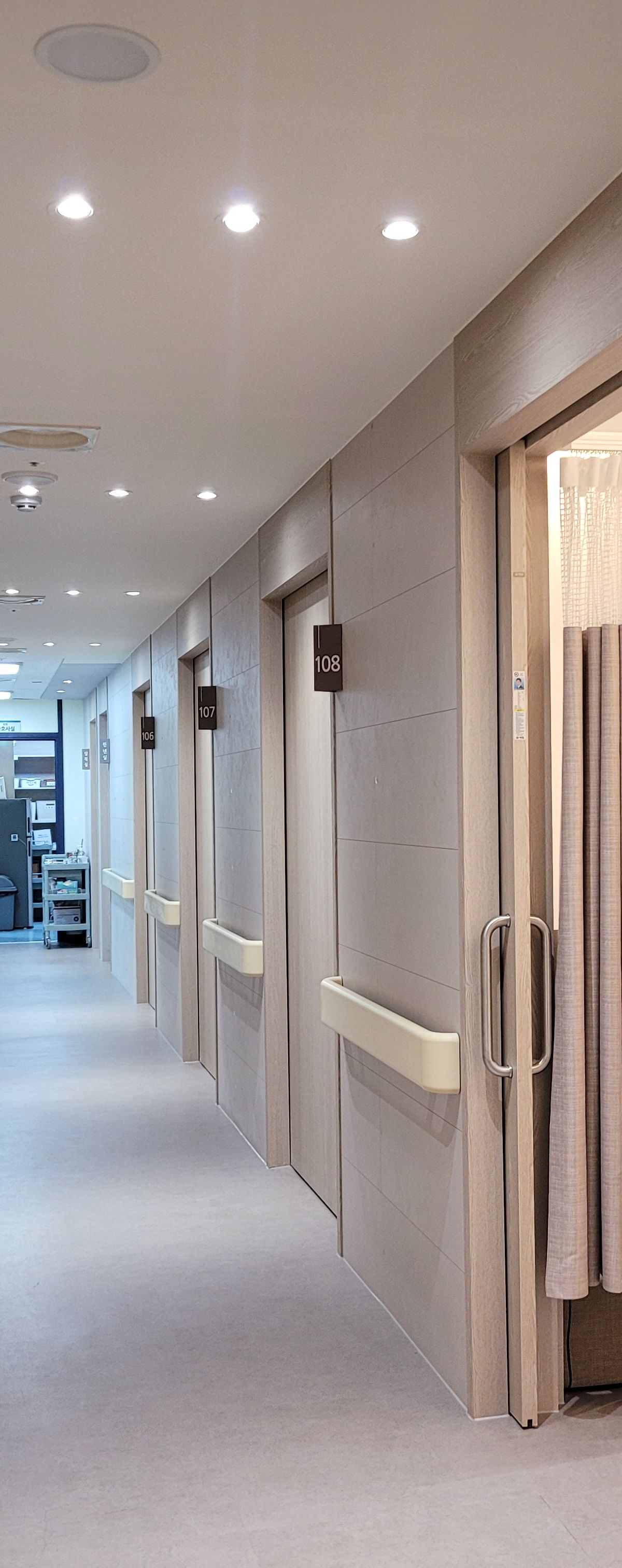
Ward Corridor
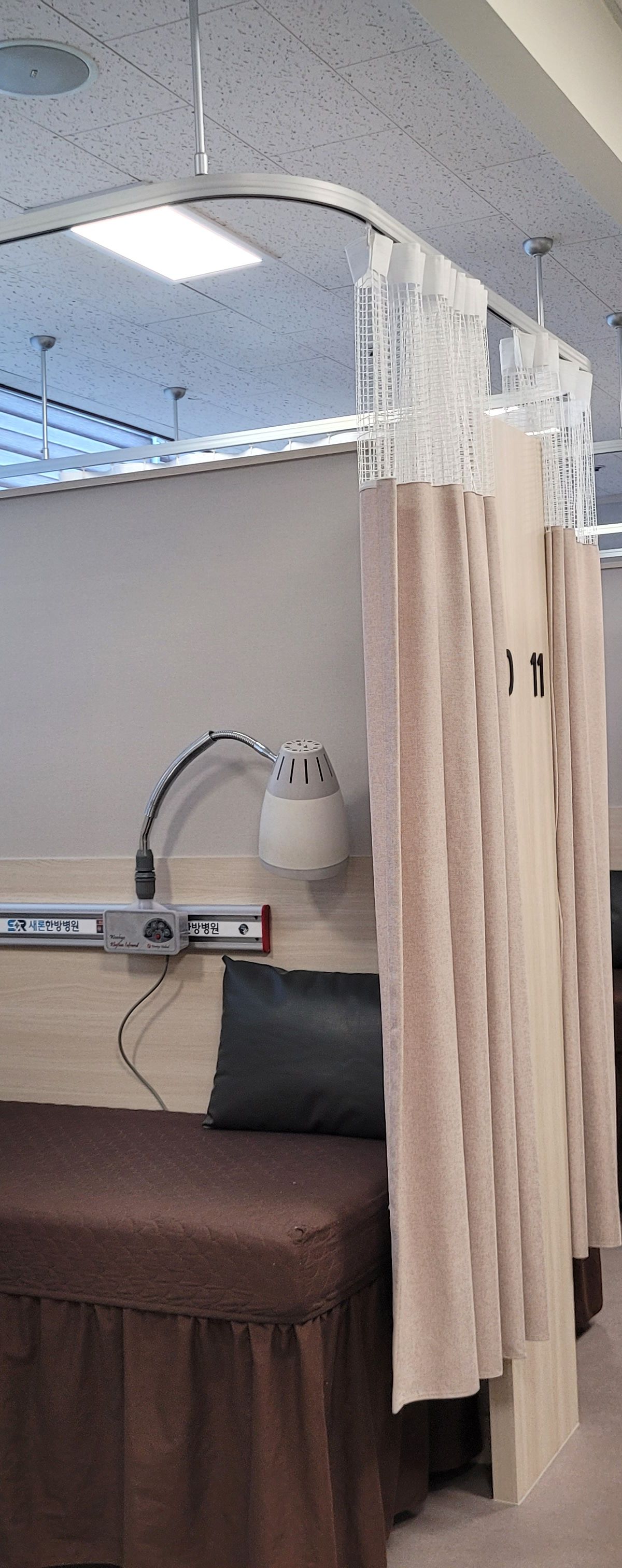
Private Treatment Rooms
Inpatient Environment
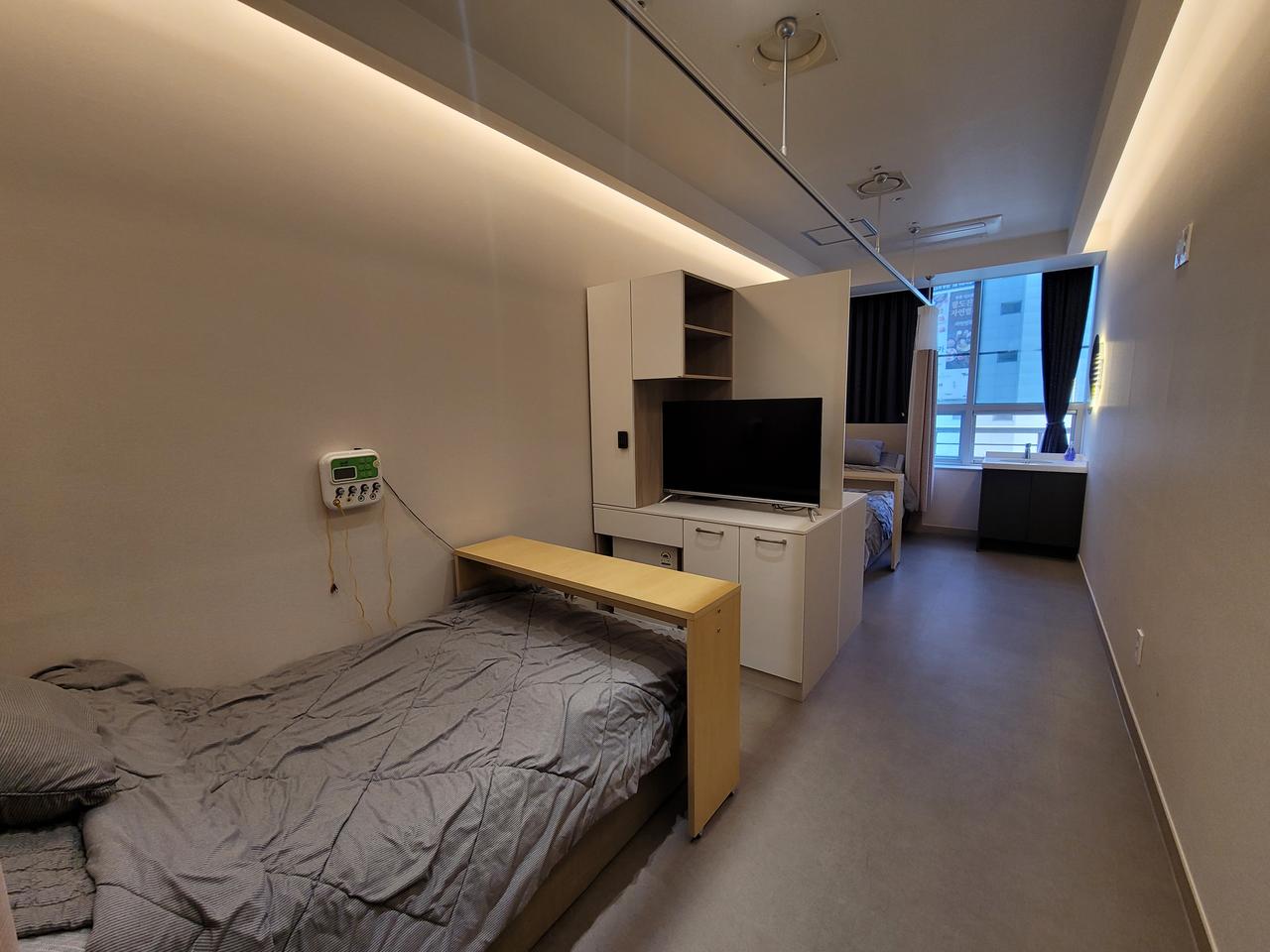
The inpatient ward runs 24 hours a day, 365 days a year, with admission possible on Sundays and holidays. Rather than multi-bed rooms, the ward is built around single and double rooms.
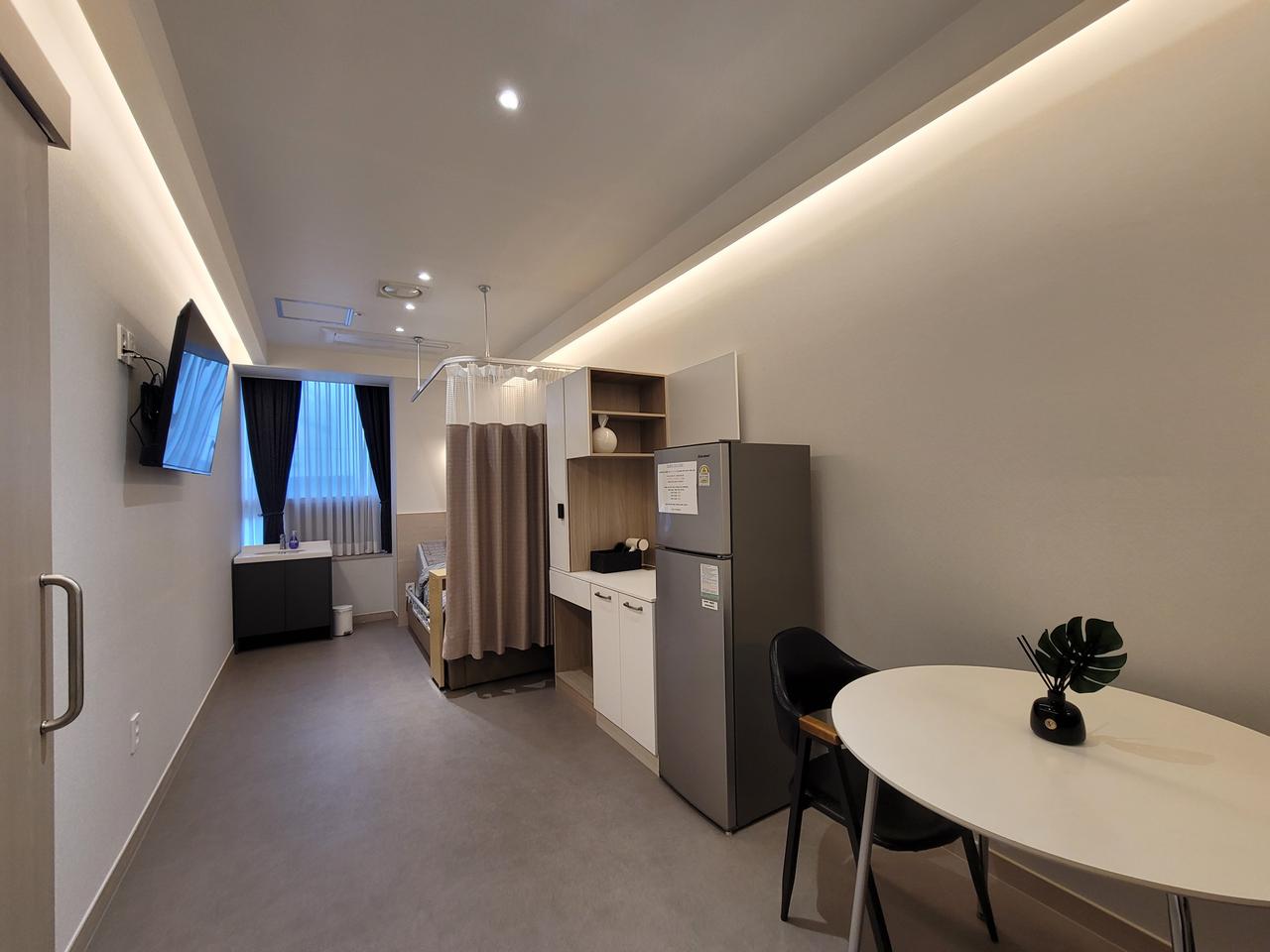
Inpatient Ward, 24 Hours a Day, 365 Days a Year Inpatient wards run year-round, so weekend or night-time problems get an immediate response.
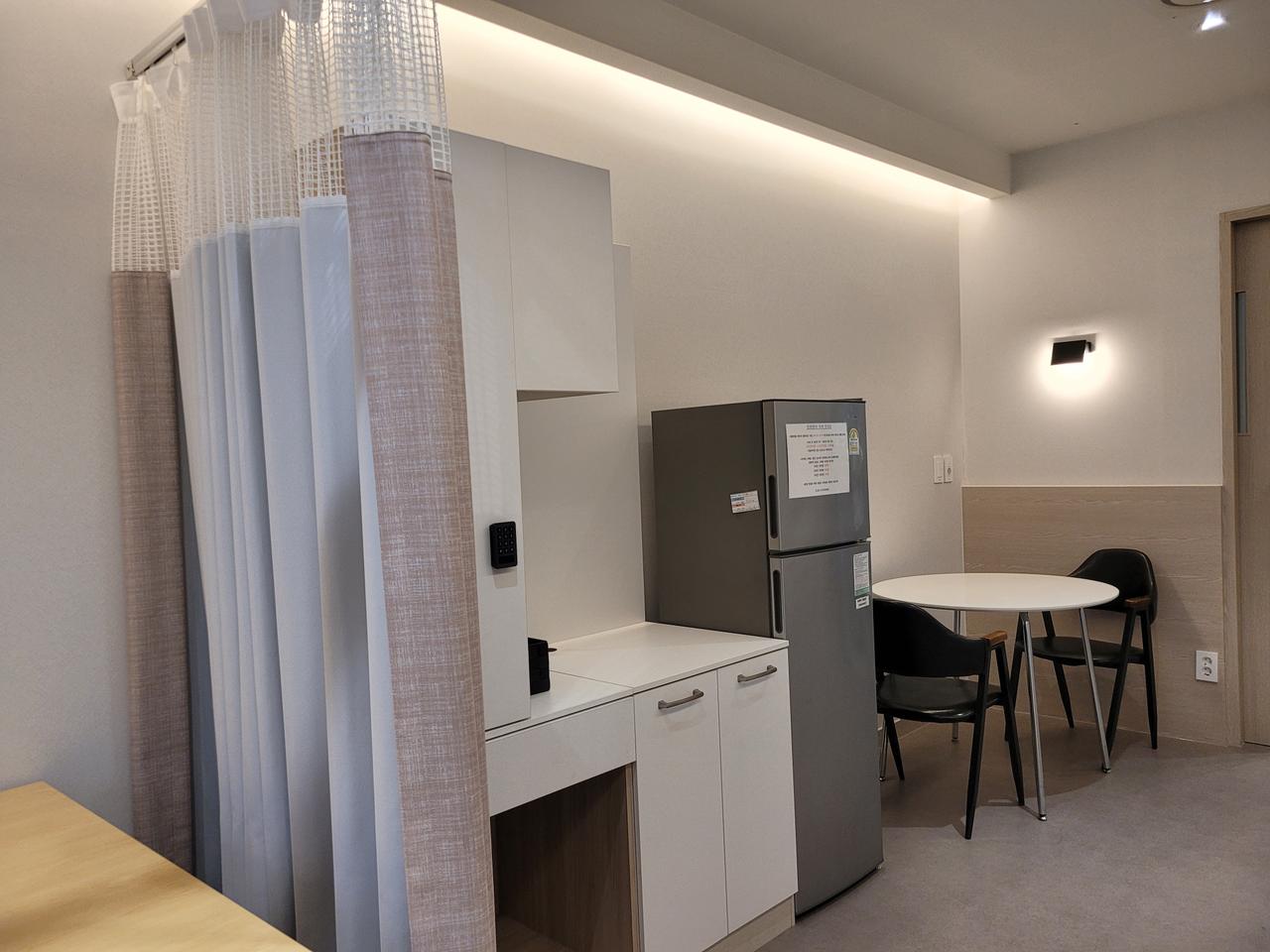
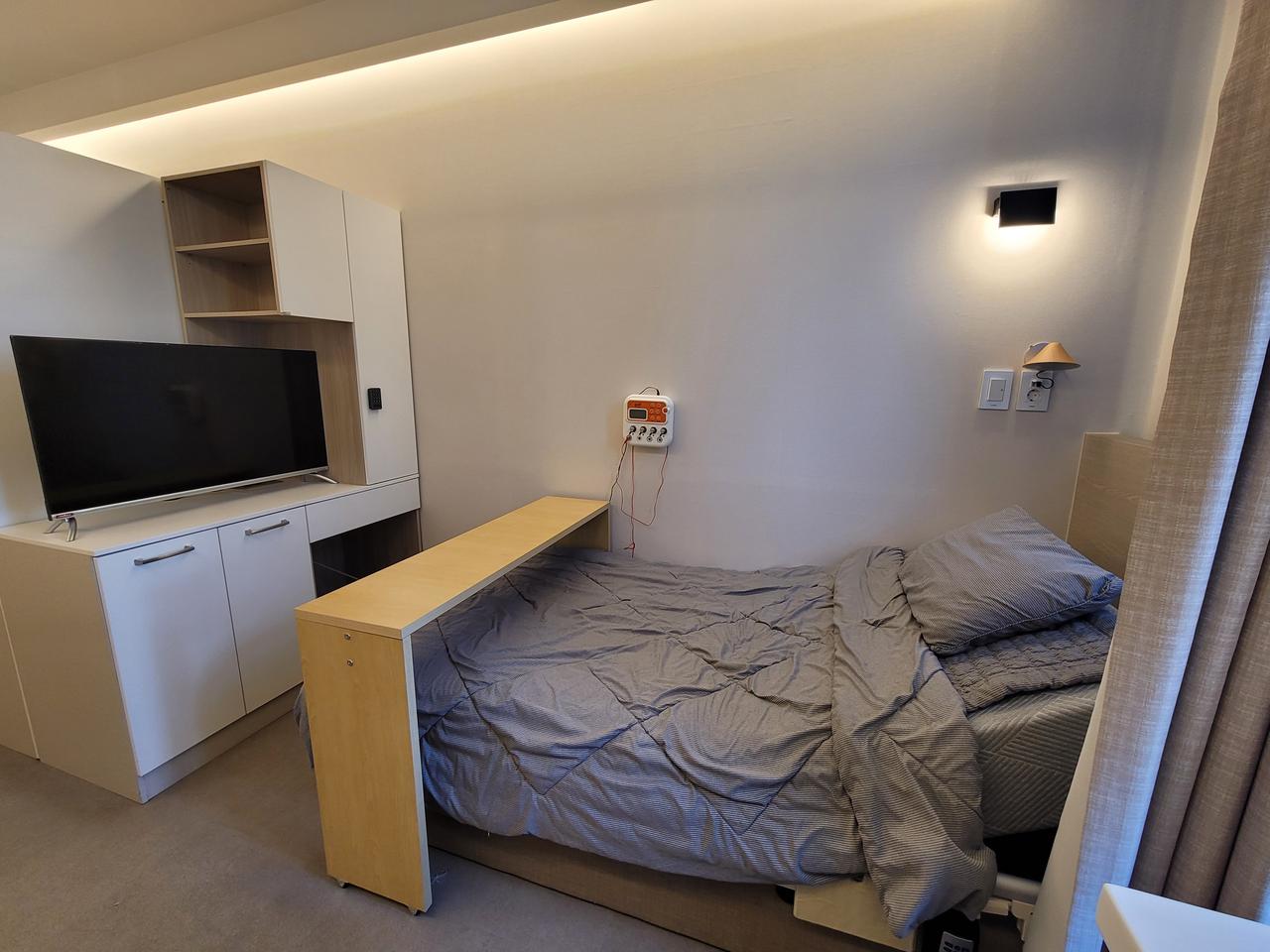
A Ward Built Around Single and Double Rooms In a space where nothing intrudes, you can rest fully and focus on treatment. We prepared single rooms so you can stay together with family and children without worry, and there is a lounge with a kitchen. Rooms have an air purifier, a large TV, an individual refrigerator, a personal locker, and a private bathroom with a bidet; some rooms have a single shower room.
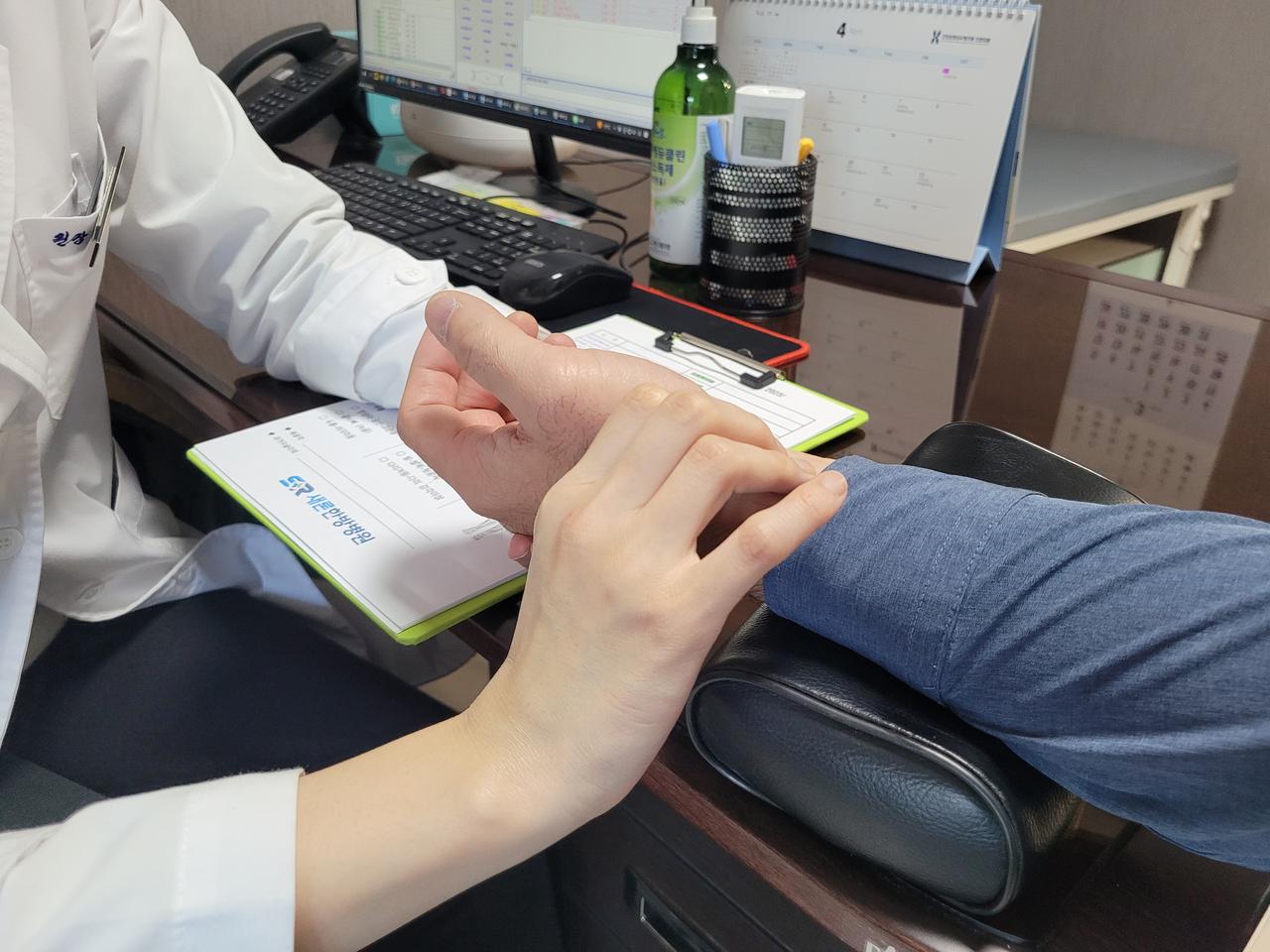
Doctors and Korean Medicine Doctors Together Imaging by an orthopedic specialist flows into chuna, pharmacopuncture, and rehabilitation by a Korean medicine doctor, all in one place.
A Meal Is Treatment
For cancer patients admitted to our hospital, we provide balanced, nutritious meals made from wholesome ingredients. A dietitian rounds at mealtimes to tailor the food, helping you get through the treatment period well. Snack selections may change with ingredient supply, and individual snacks reflect your preferences as far as possible after a dietary consultation.
Better Nutrition and Restored Stamina
Stronger Immunity Through a Balanced Diet
Detoxification Through Ample Vegetables
Fresh Ingredients to Ease Appetite Loss
Dietary Consultation and Patient Nutrition Check
A Healthy Menu Mindful of Salt Intake
Morning Snack
Apple and soy milk
Midday Snack
Seasonal fruit, salad, leafy greens, yogurt, nuts
Evening Snack
Steamed sweet potato, natto, soft tofu, smoked egg
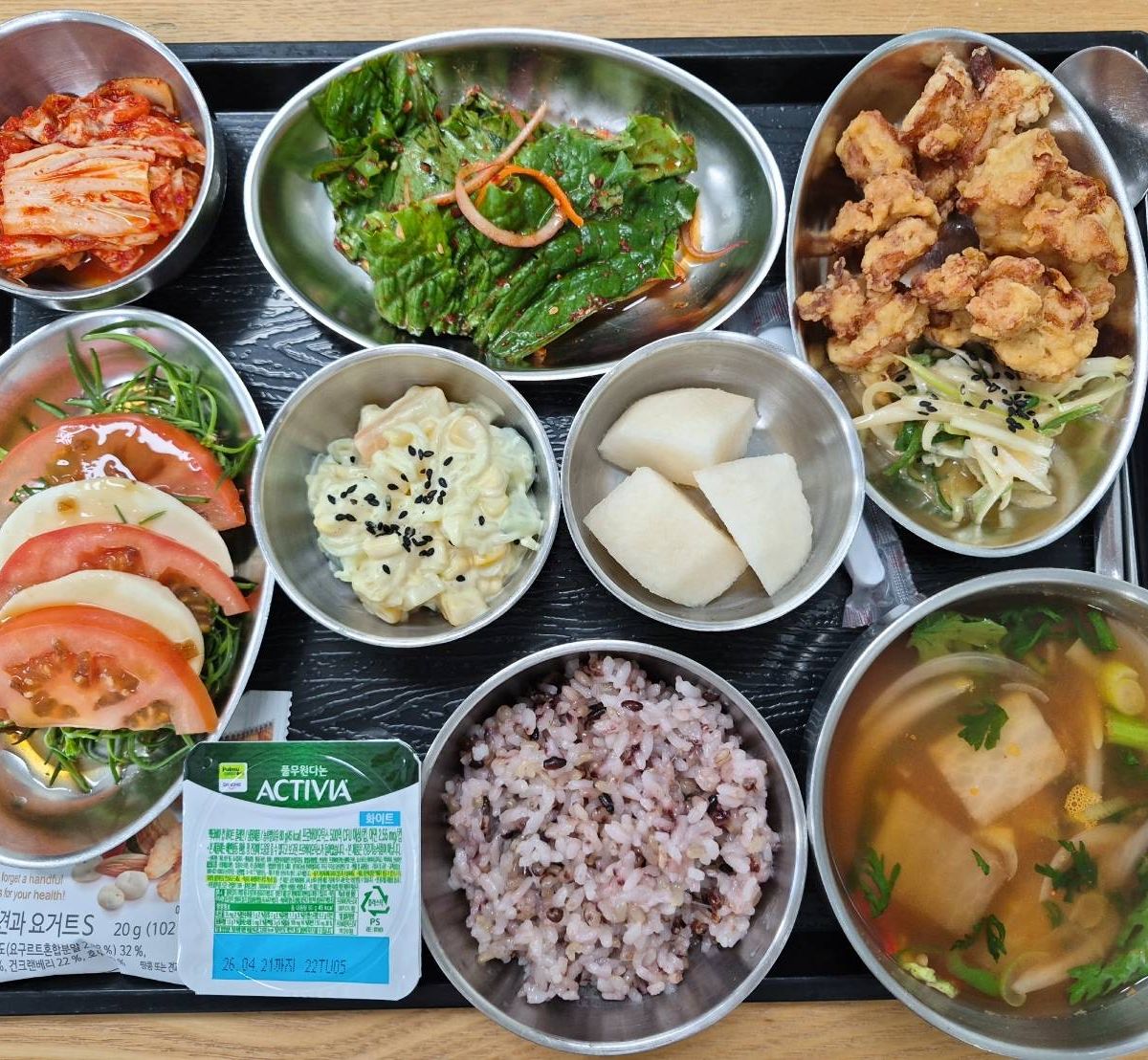
Fritters and Fresh Kimchi
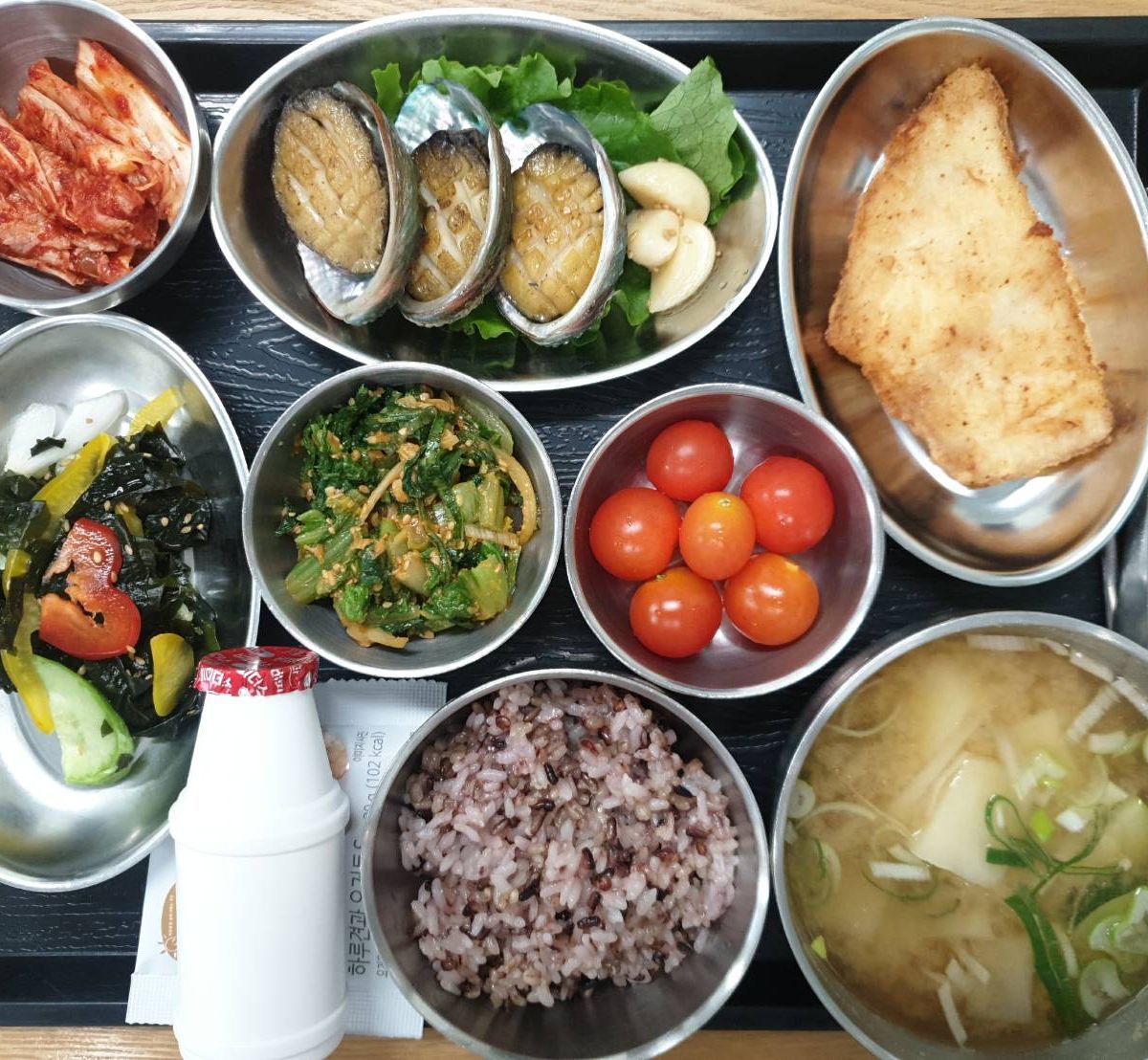
Abalone and Fish Jeon
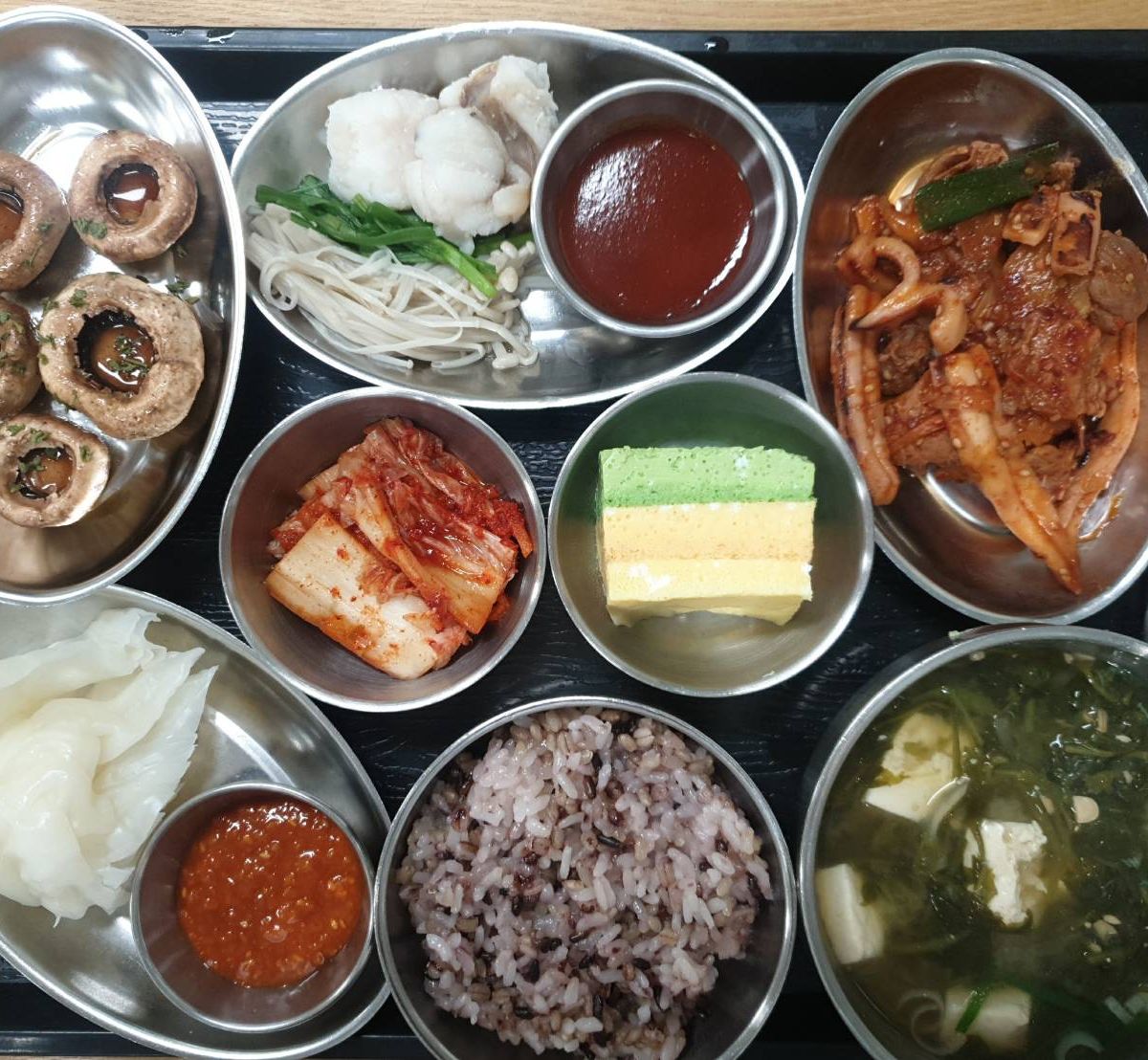
Stir-Fried Squid and Steamed Egg
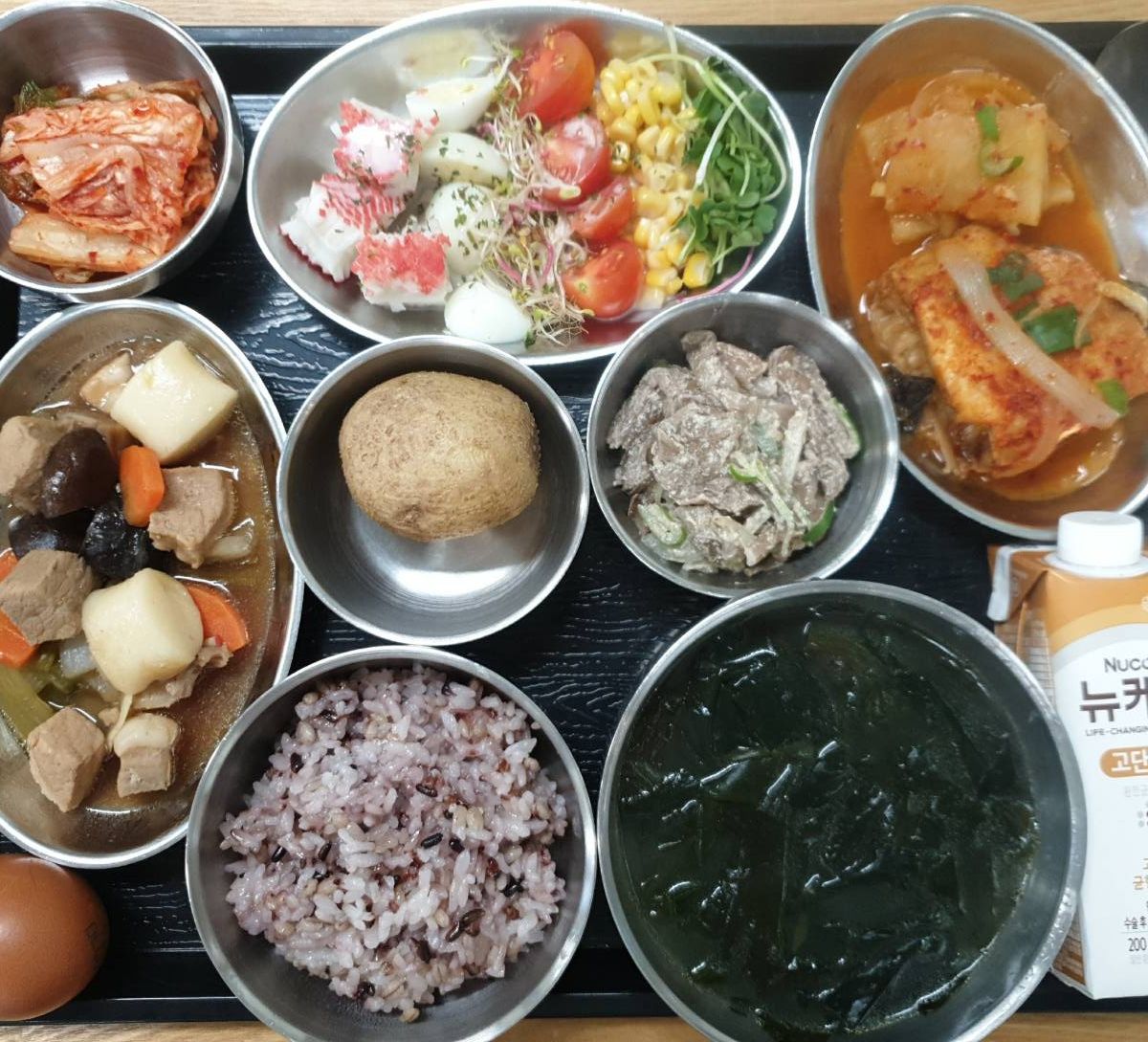
Seaweed Soup and Braised Sides
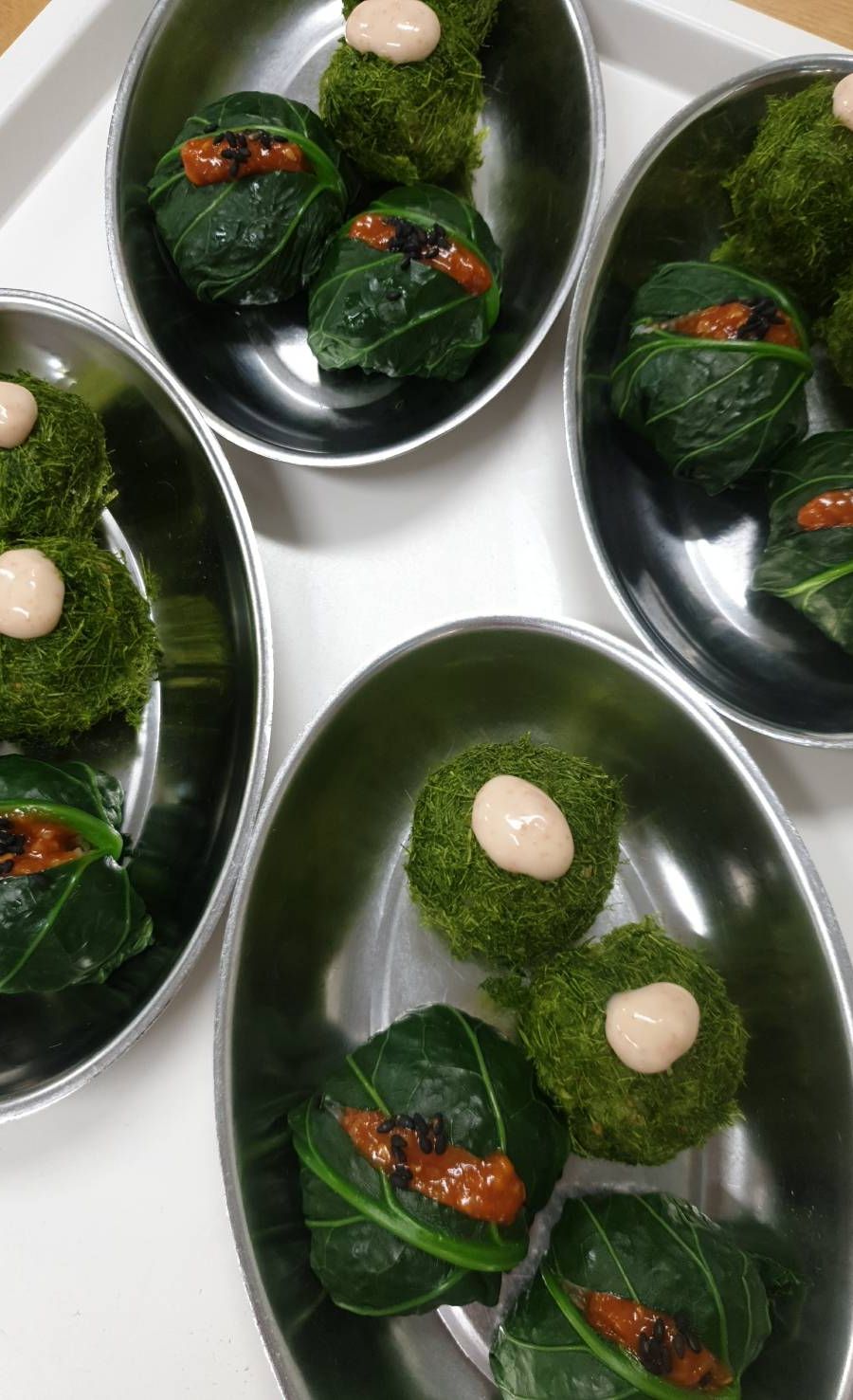
Vegetable Wraps and Rice Balls
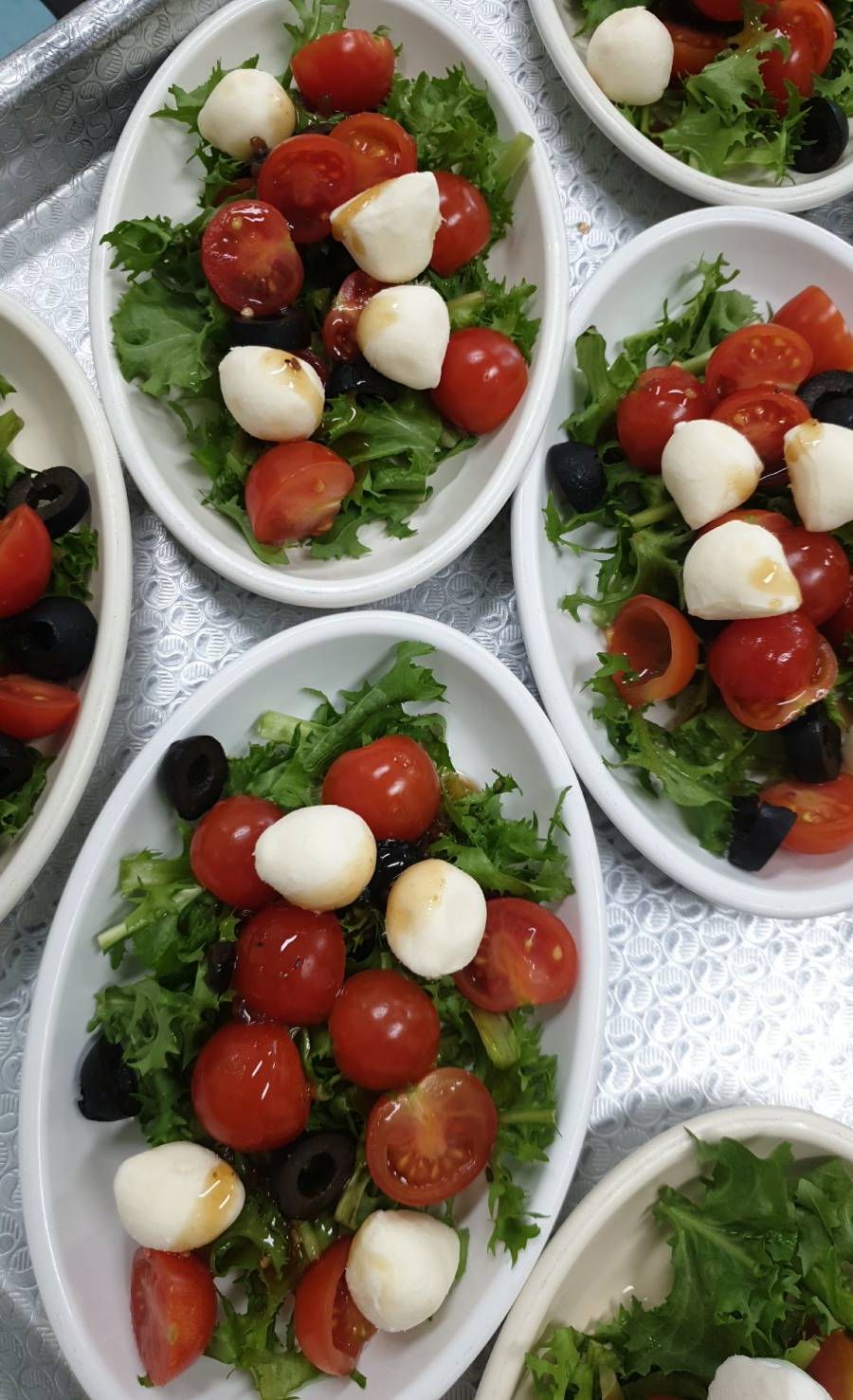
Tomato and Mozzarella Salad
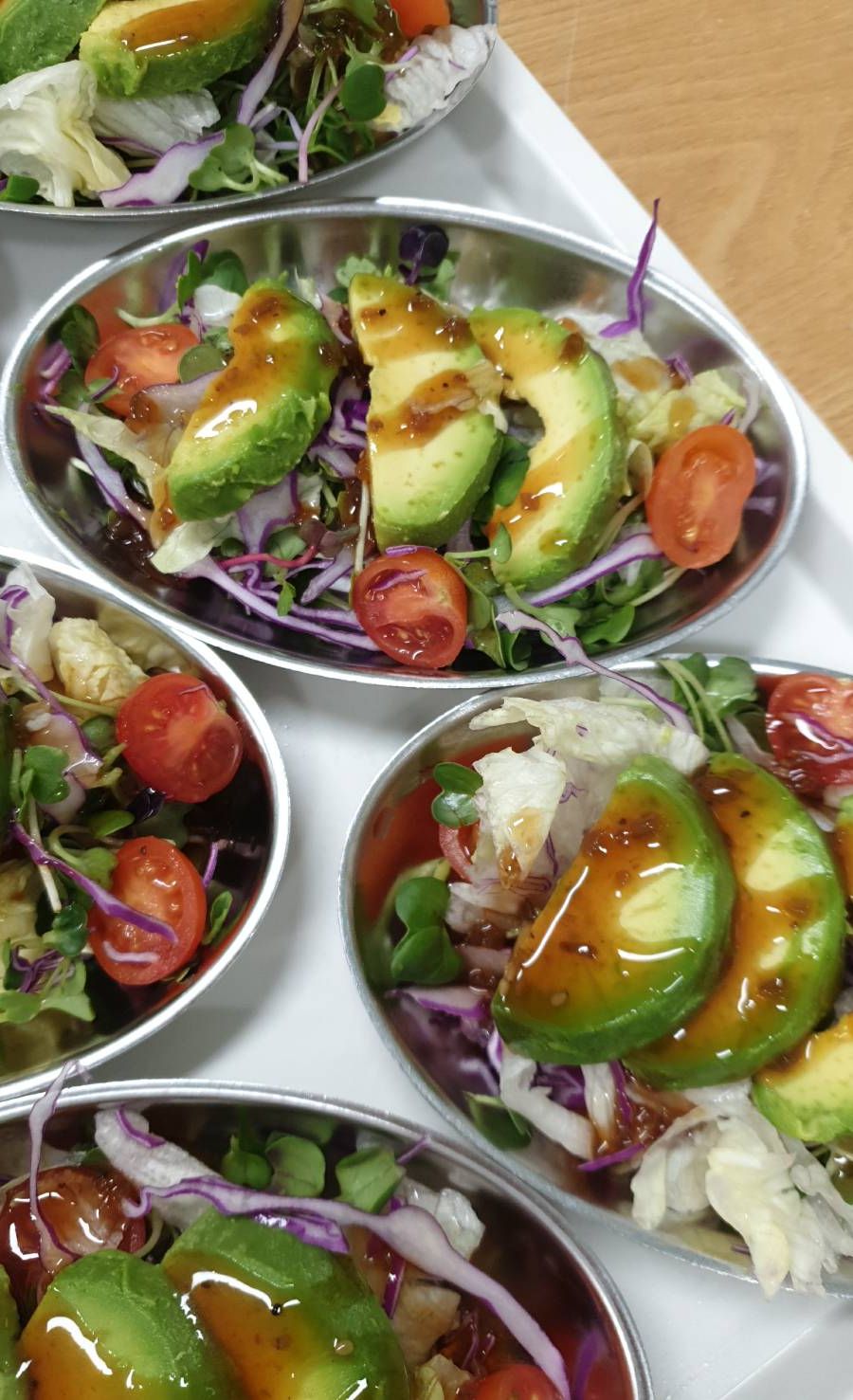
Avocado Salad
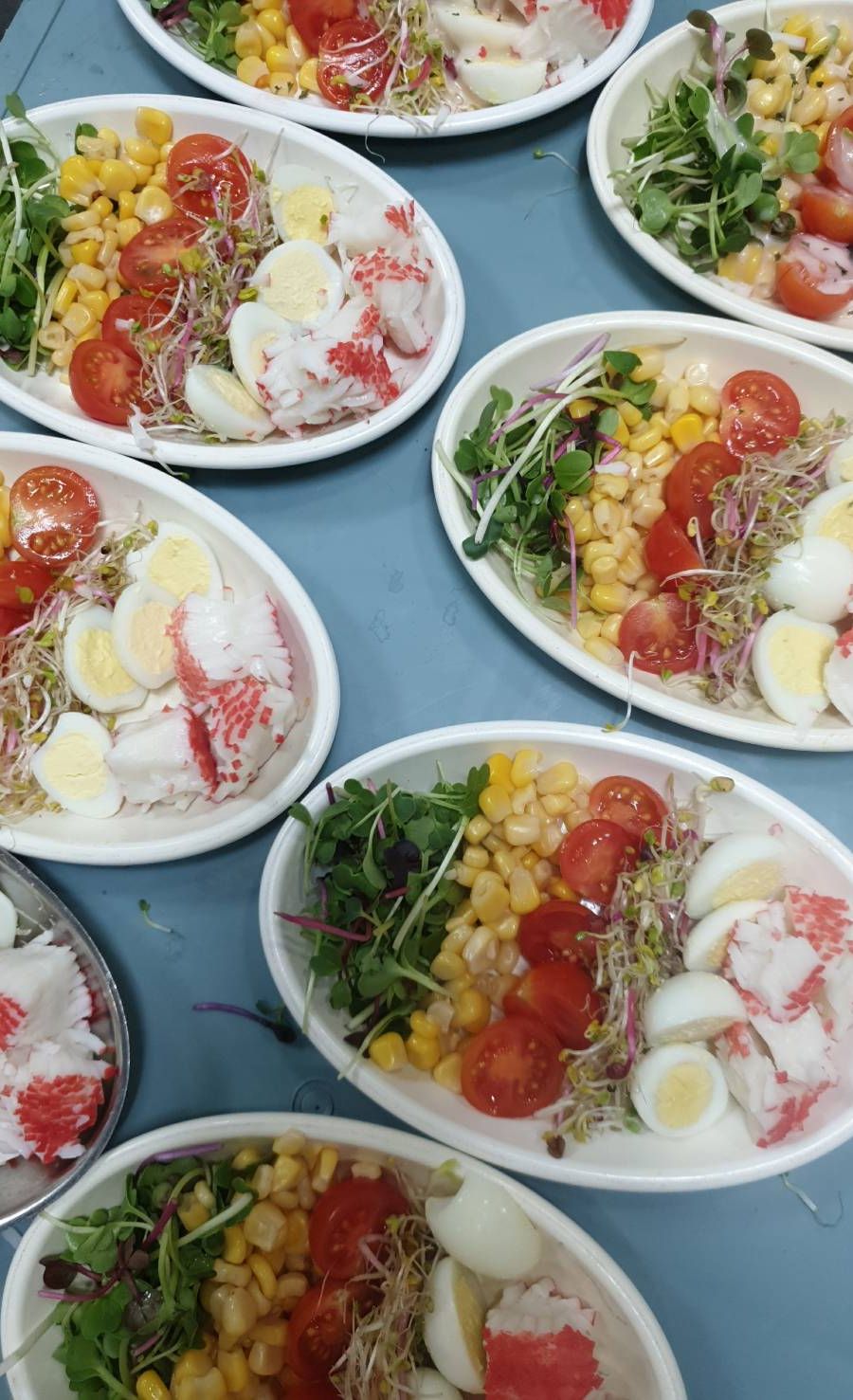
Sprout Salad
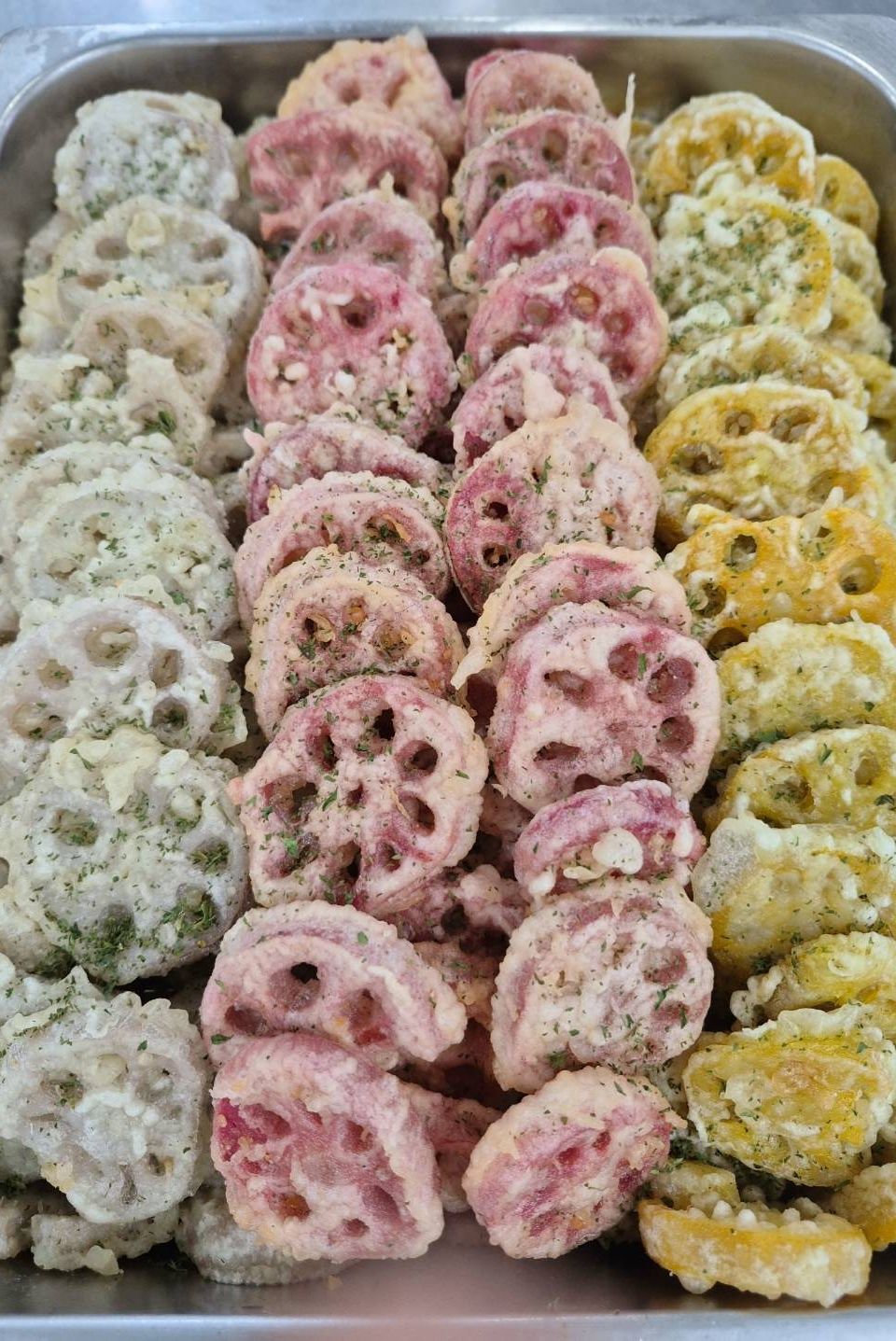
Three-Color Lotus Root Fritters

Seasonal Fruit
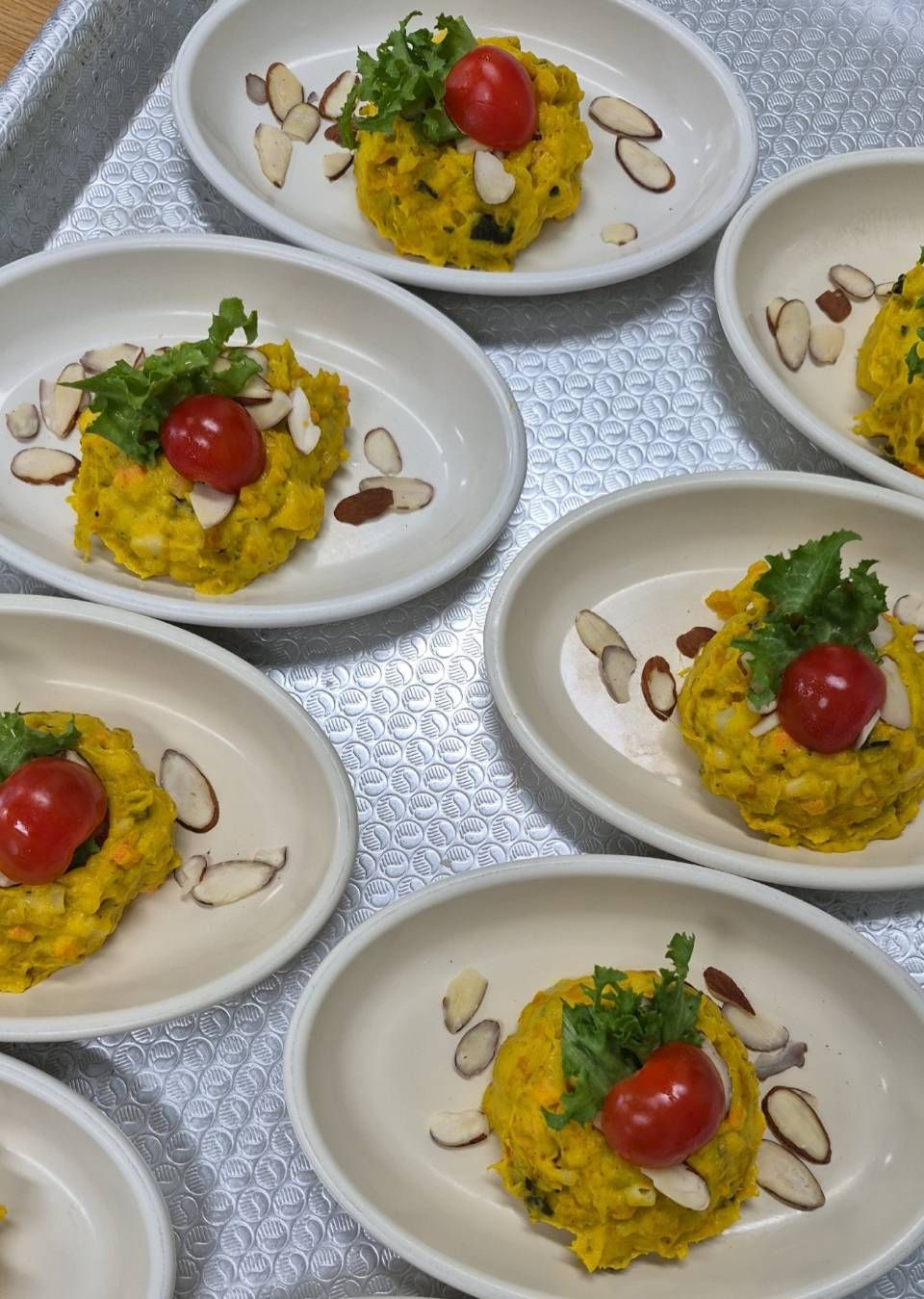
Individually Plated Servings
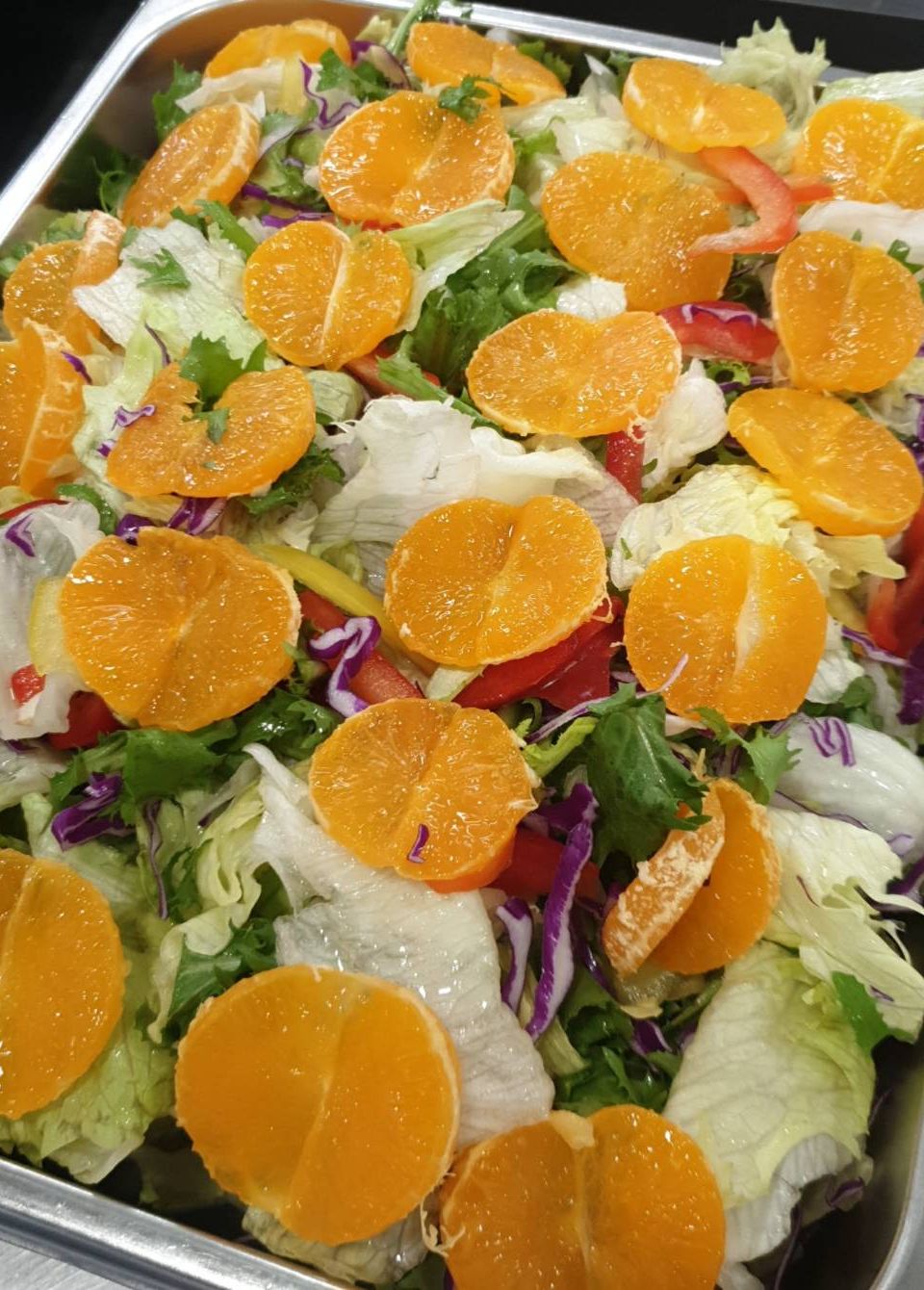
Citrus Salad
Support During Your Stay
We look after the parts of your day beyond treatment.
Pickup Service from Other Hospitals
We provide vehicle pickup when you travel to another hospital near Incheon for radiation or chemotherapy. Please contact the administration office between one week and two or three days before your appointment. A round trip may not be possible.
Parking
During a stay, six hours of free parking is available on the admission day and on the discharge day. Please give your plate number at the desk.
Neulsolgil Park Sheep Meadow
738-8 Nonhyeon-dong, Namdong-gu, Incheon · 15 minutes on foot or 5 minutes by car from the hospital
Open 09:30–17:30 from April to September and 09:30–17:00 from October to March; parking is free.
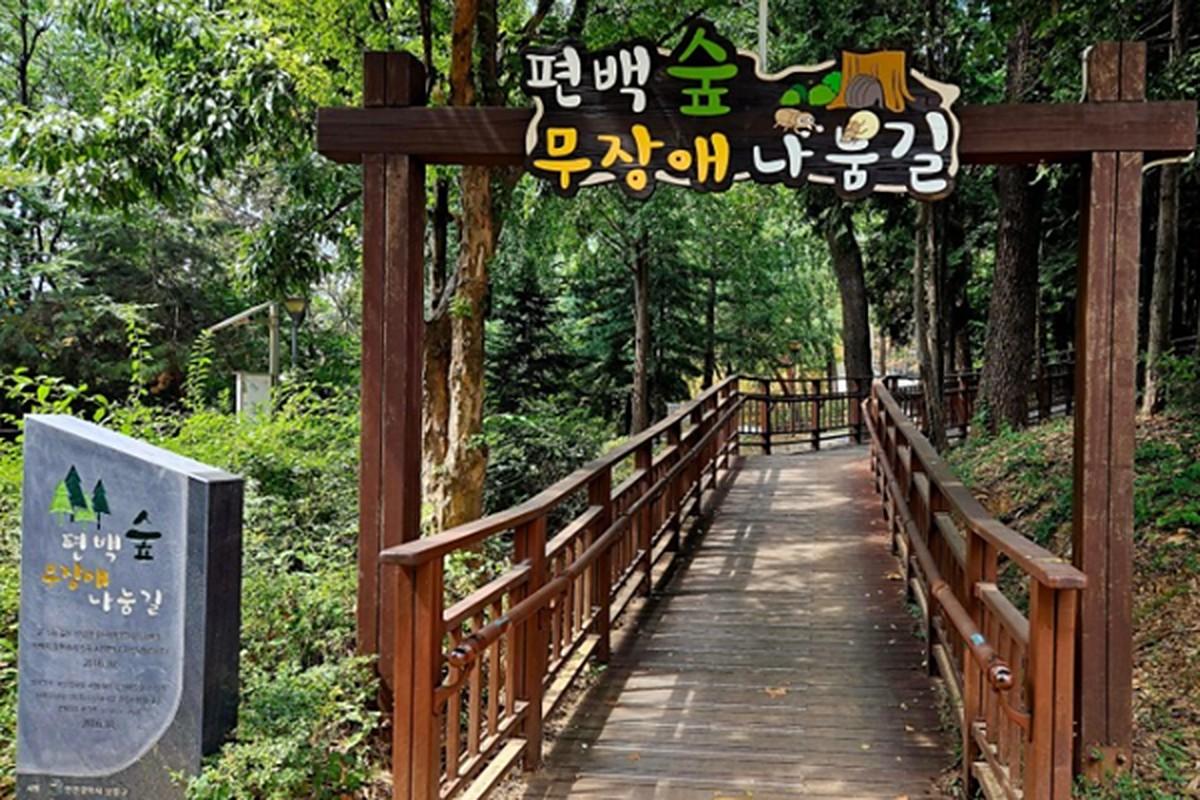
Neulsolgil Park Cypress Forest Trail

Neulsolgil Park Cypress Forest

Neulsolgil Park Lake
Nonhyeon Central Neighborhood Park
A five-minute walk from the hospital. It sits across the road, toward the Homeplus side.
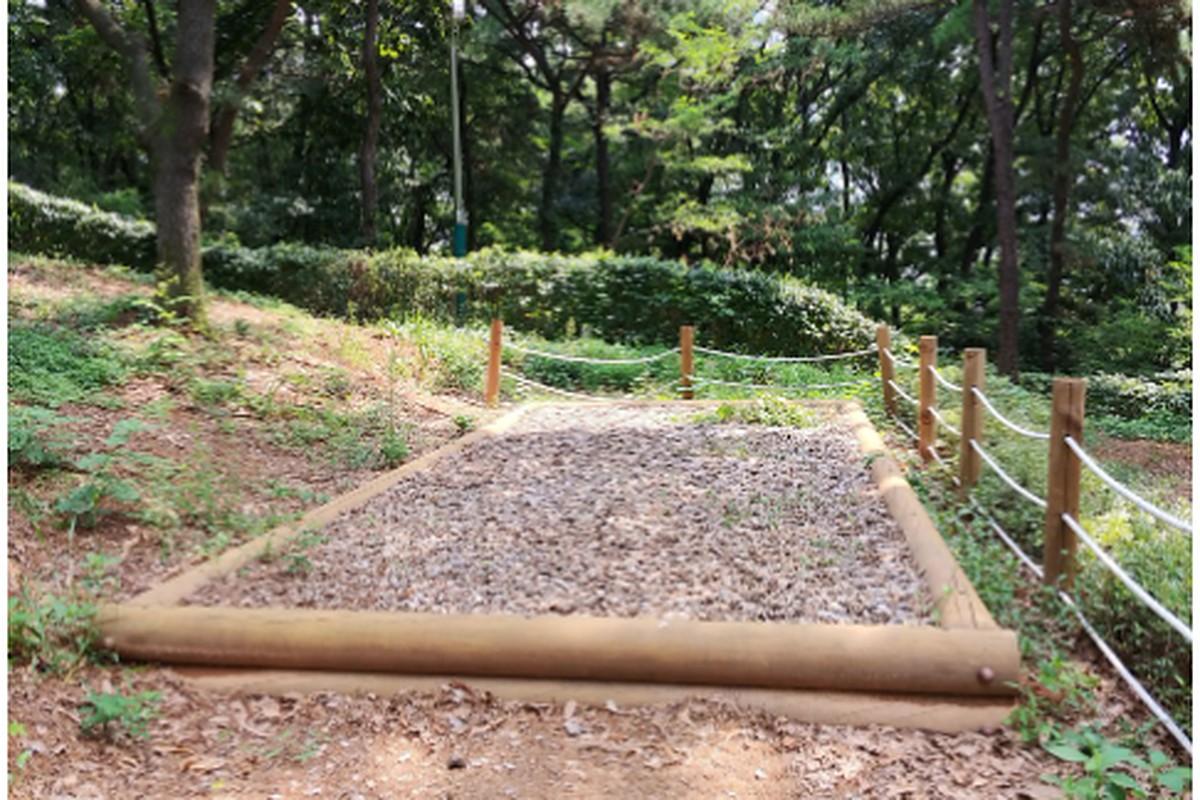
Nonhyeon Central Park Deck Path
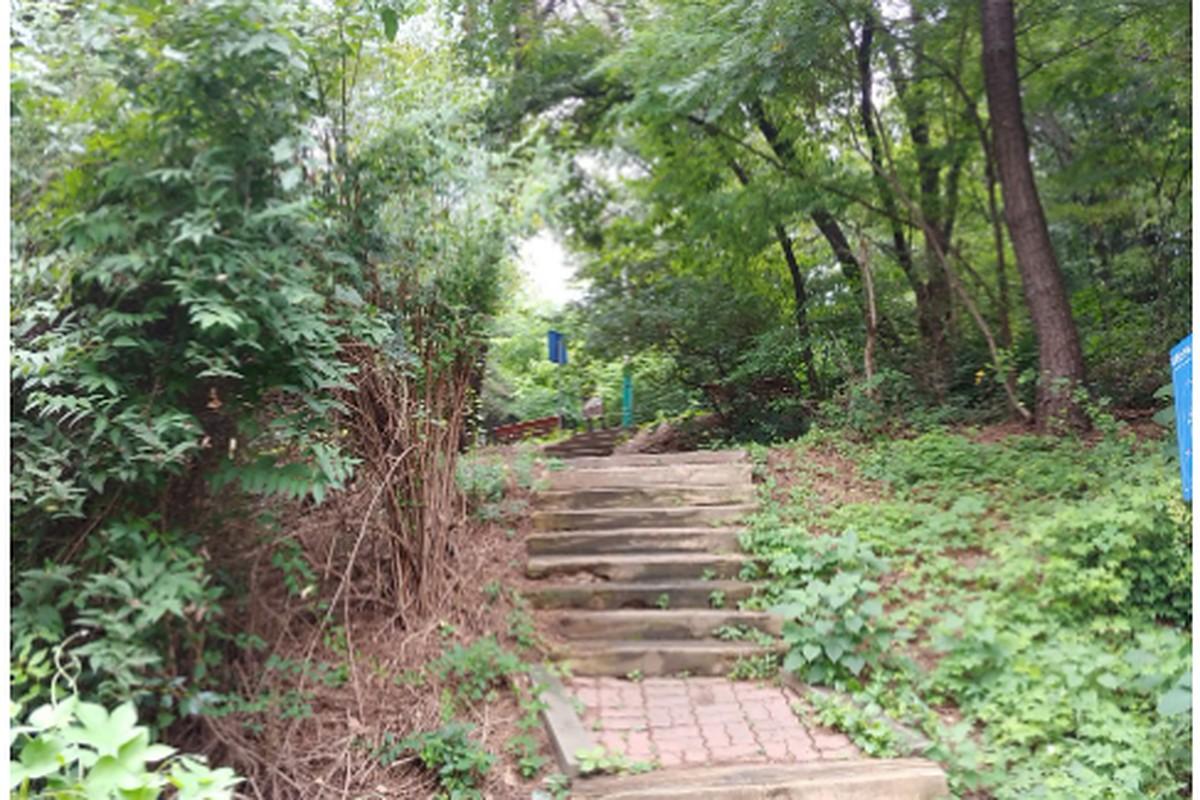
Nonhyeon Central Park Walking Path
Nonhyeon Central Park Pond
FAQ
We have gathered the questions we hear most about admission and care.
A consultation will walk you through the details.
Is admission possible on Sundays and public holidays?
Yes. Saeron Clinic operates its inpatient wards 24 hours a day, 365 days a year, making admission possible even on Sundays and public holidays.
How do the single and double patient rooms operate?
Saeron Clinic operates private wards primarily featuring single and double patient rooms. Single rooms incur a premium room charge (non-covered by insurance). For current room availability, please contact us by phone.
How long is a typical hospital stay?
It depends on your condition and treatment phase. Those who cannot stay long can choose short stays or same-day intensive immune care; admission is available 24/7, 365 days a year including Sundays and holidays.
Can I receive immune therapy during chemotherapy?
Yes. Immune-activating injections and hyperthermia are most effective when combined with surgery, chemotherapy, and radiation. Hyperthermia boosts the effect of radiation and chemo, while immune injections ease side effects and aid recovery.
Can it be combined with standard treatment (surgery, chemo, radiation)?
Saerons immune care complements rather than replaces standard treatment. Being within 30 minutes of major cancer centers makes it convenient to receive immune injections, hyperthermia, and rehabilitation alongside standard treatment, designed around your current plan.
Can cancer pain or lymphedema also be managed?
Yes. Cancer pain is managed with the non-invasive Pain Eraser device, and lymphedema with lymphatic manual therapy. Reducing pain and swelling aids daily recovery and activates immune cells in the lymph nodes.
Directions
- 1
Address
Fourth floor, Areumdaun Tower, 101 Nongogae-ro, Namdong-gu, Incheon — the building across from Homeplus Incheon Nonhyeon.
- 2
Subway
Two minutes' walk, about 100 m, from Exit 1 of Incheon Nonhyeon Station (Suin-Bundang Line).
- 3
Parking
Parking is available from the first basement level up to the fourth floor. Outpatients receive a one-hour parking voucher.
- 4
Clinic Hours
Skin & aesthetics: Mon, Wed 9:30–19:00; Fri 9:30–20:00; Tue, Thu 9:30–18:00; Sat & holidays 9:30–15:00; closed Sunday. Other departments: weekdays 9:30–20:00; Sat, Sun & holidays 9:30–14:30. Weekday lunch break 13:00–14:00.
- 5
Contact
Please call our main line at 032-423-3650.