새론한방병원새론한방병원

Post-Surgery Rehabilitation Center

3-stage intensive rehab after surgery, back to daily life.
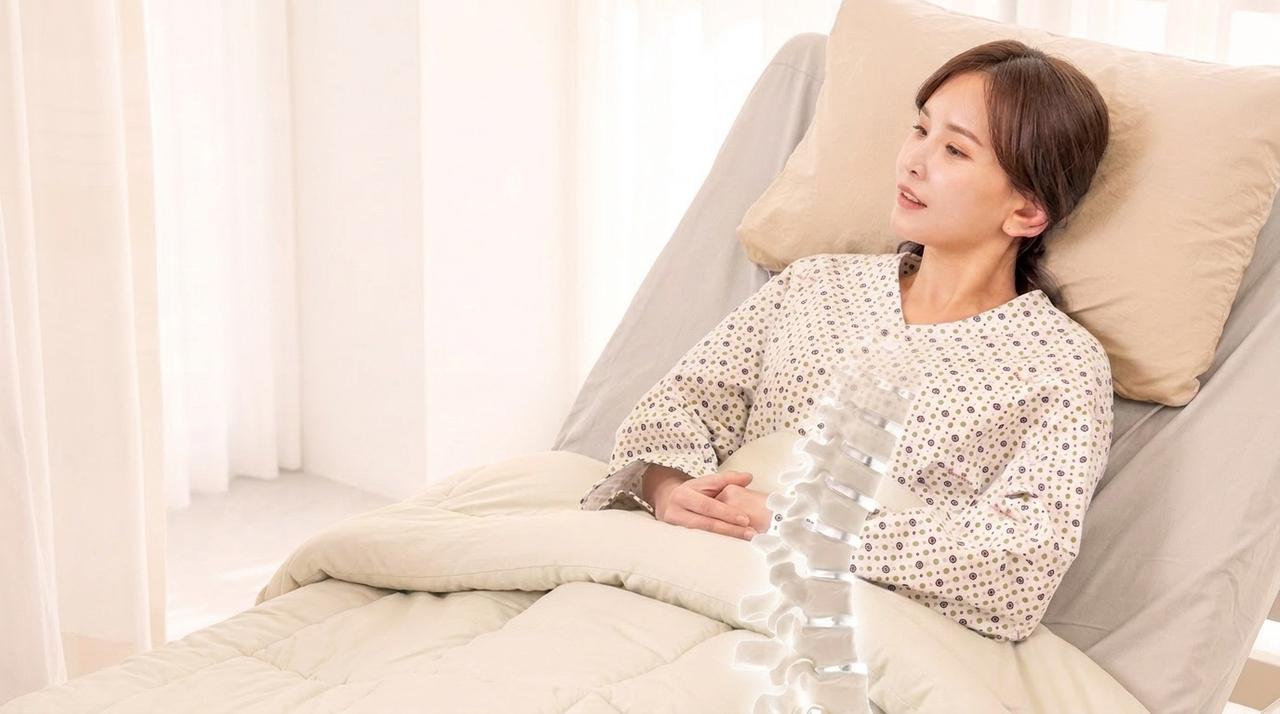
Post-Surgery Rehabilitation Center

Recommended For

If any of the situations below apply to you, Saeron's specialist care can help.

Check quickly with an AI consultation.

After lumbar disc / spinal stenosis surgery

"I had back surgery, but the pain and numbness remain and it worries me."

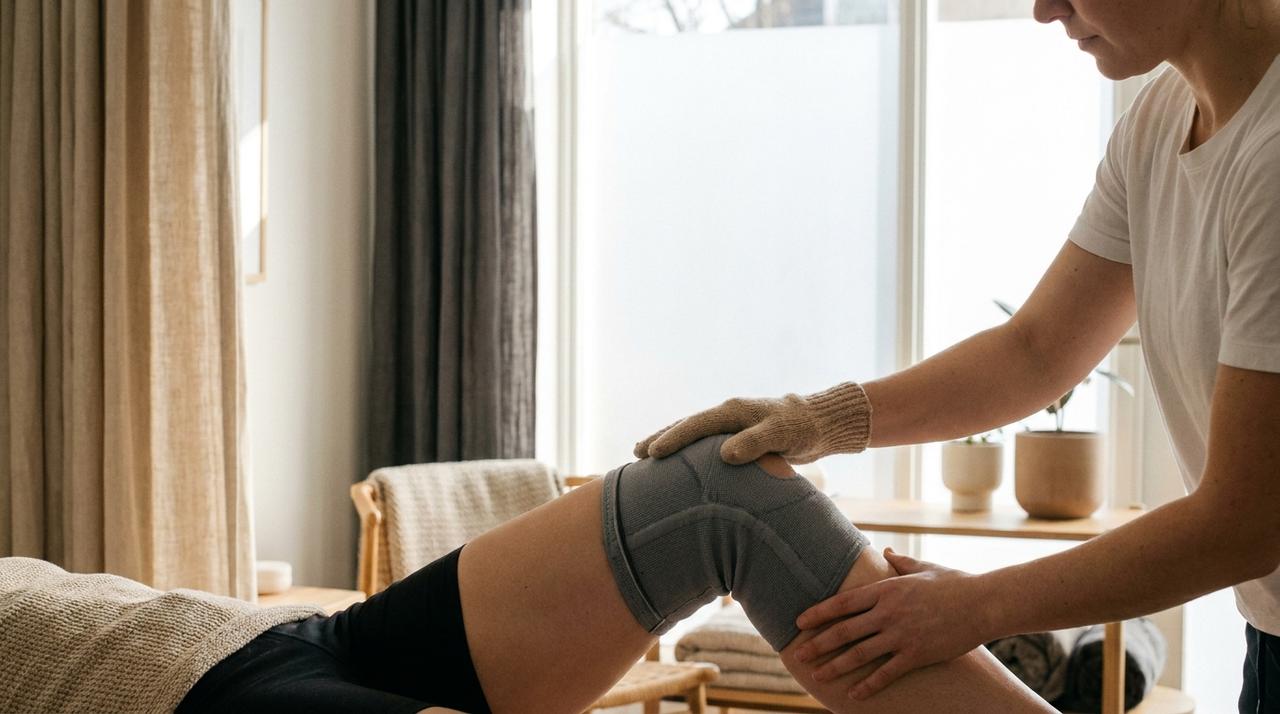
After knee ligament / joint replacement surgery

"After knee surgery it will not bend well, and I am afraid to walk again."

After rotator cuff / frozen shoulder surgery

"After shoulder surgery my arm will not lift, and daily life is hard."

After cervical disc / neck surgery

"After neck surgery, the stiffness and weakness are not recovering."

Slow recovery after fracture / trauma surgery

"They say the fracture surgery went well, but recovery is so slow."

Difficulty returning to daily life after surgery

"Pain and weakness after surgery make returning to daily life hard."
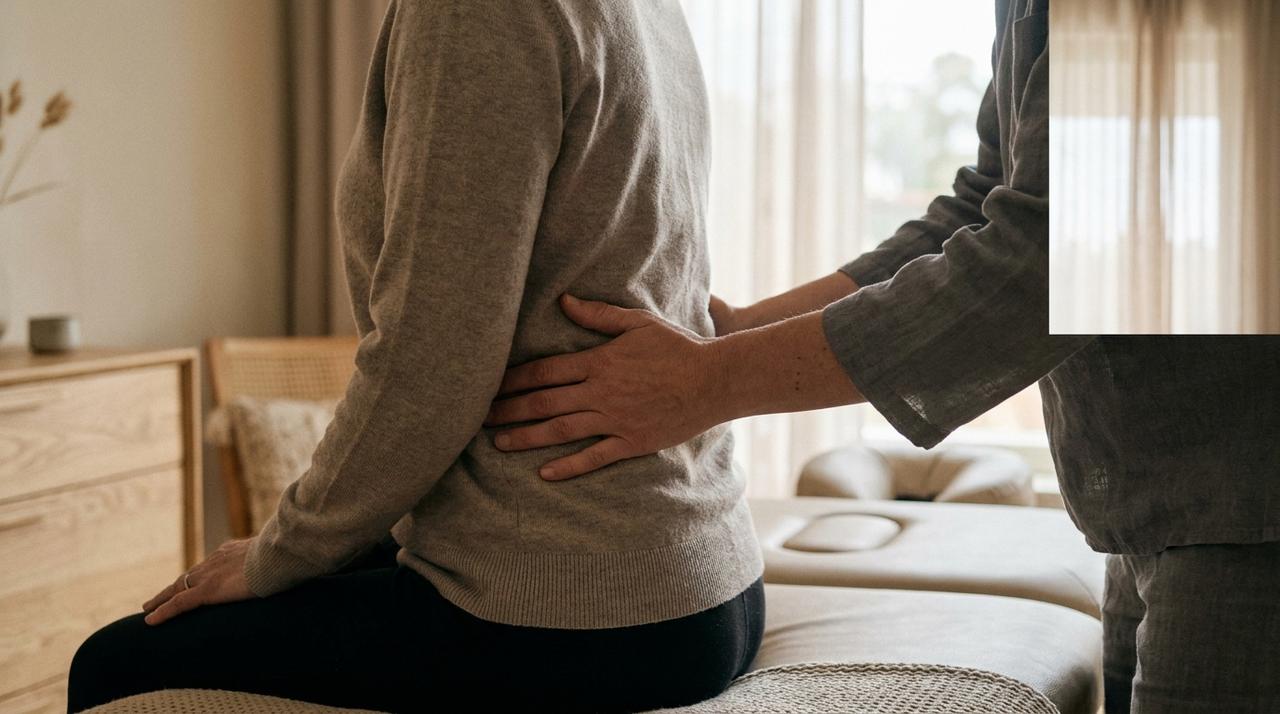
After lumbar disc / spinal stenosis surgery

Core Treatment Programs

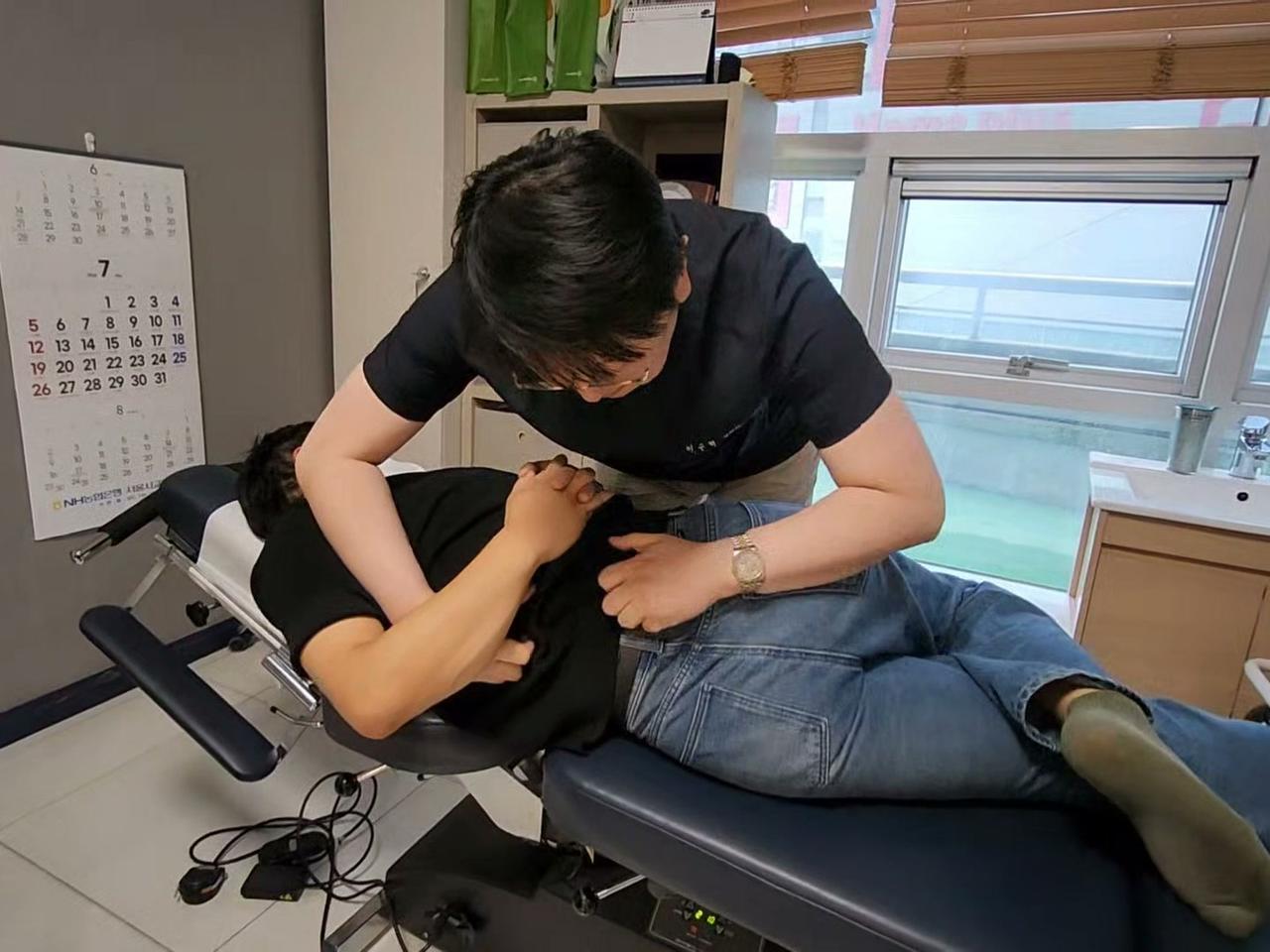
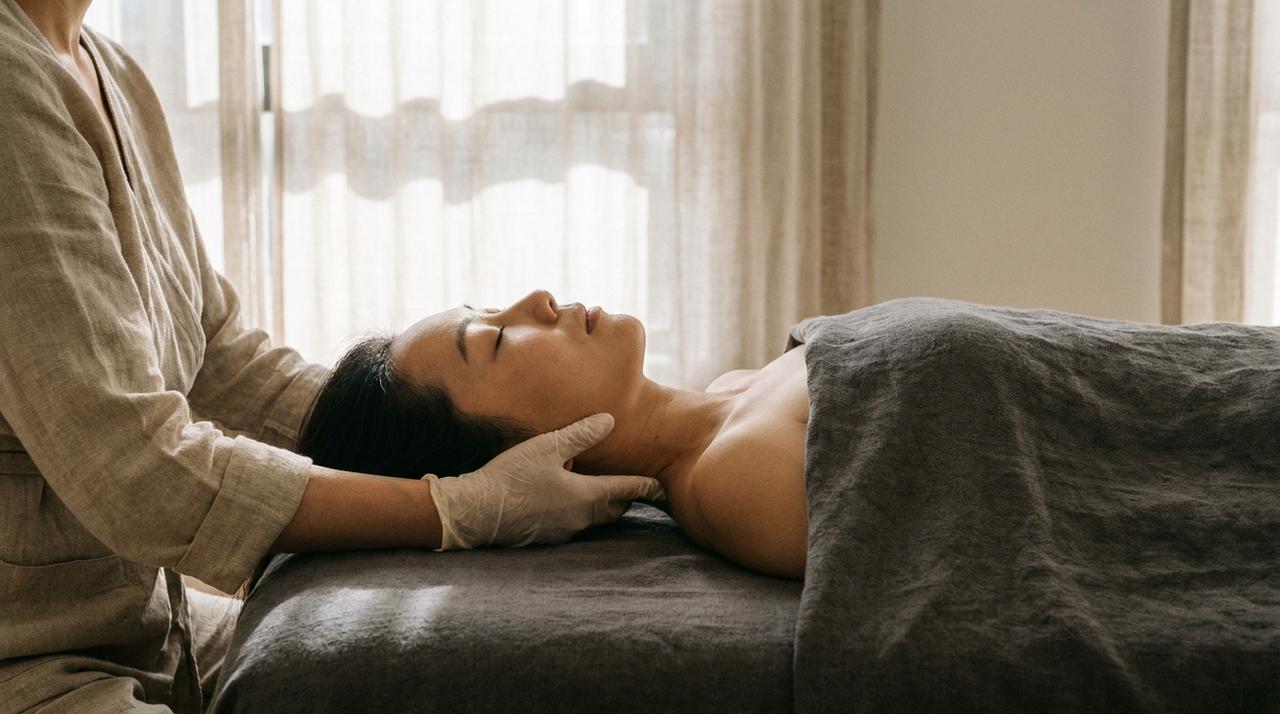
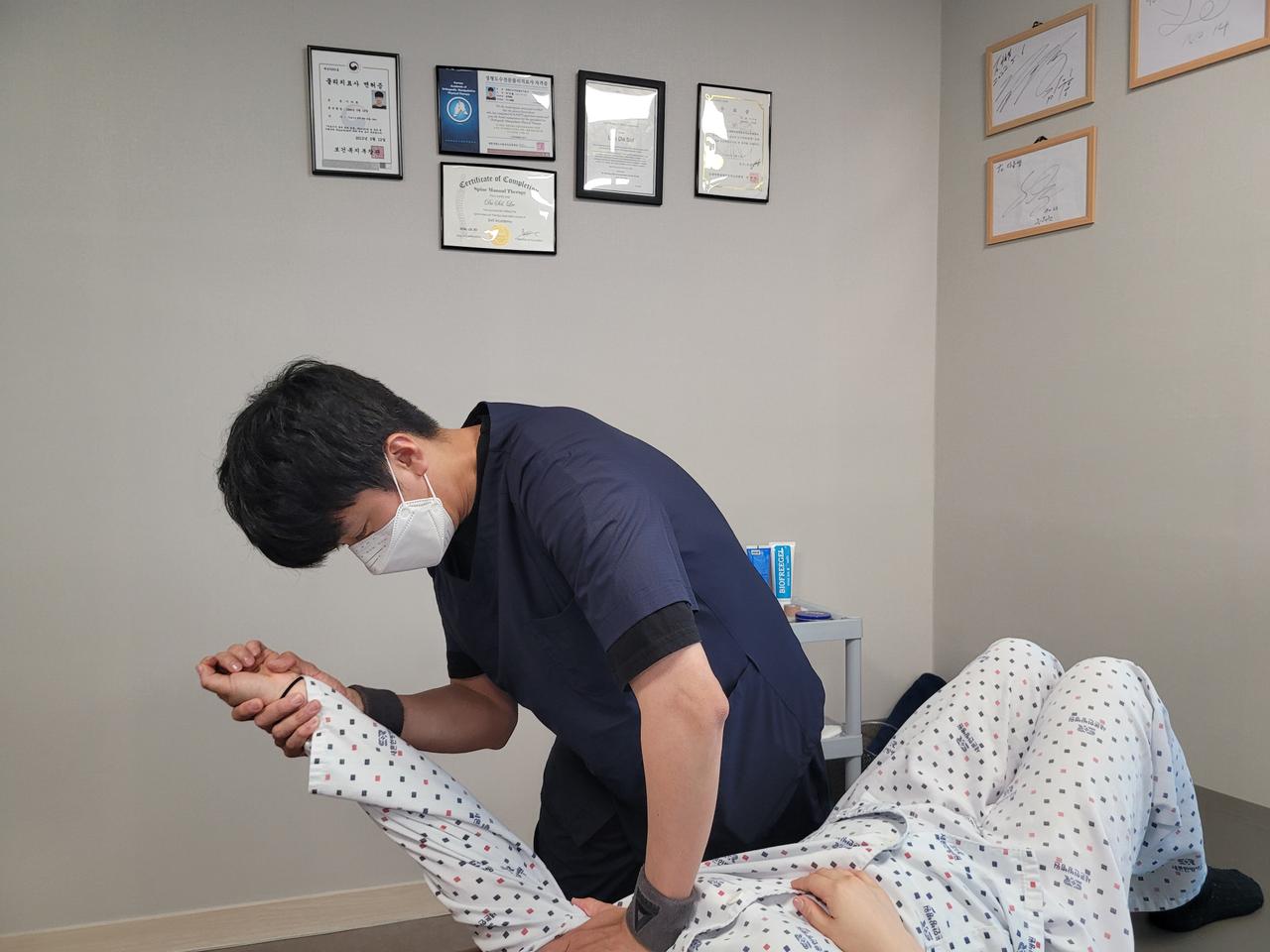
  • One-on-one manual therapy

    One-on-one manual therapy

  • Chuna manual therapy

    Chuna manual therapy

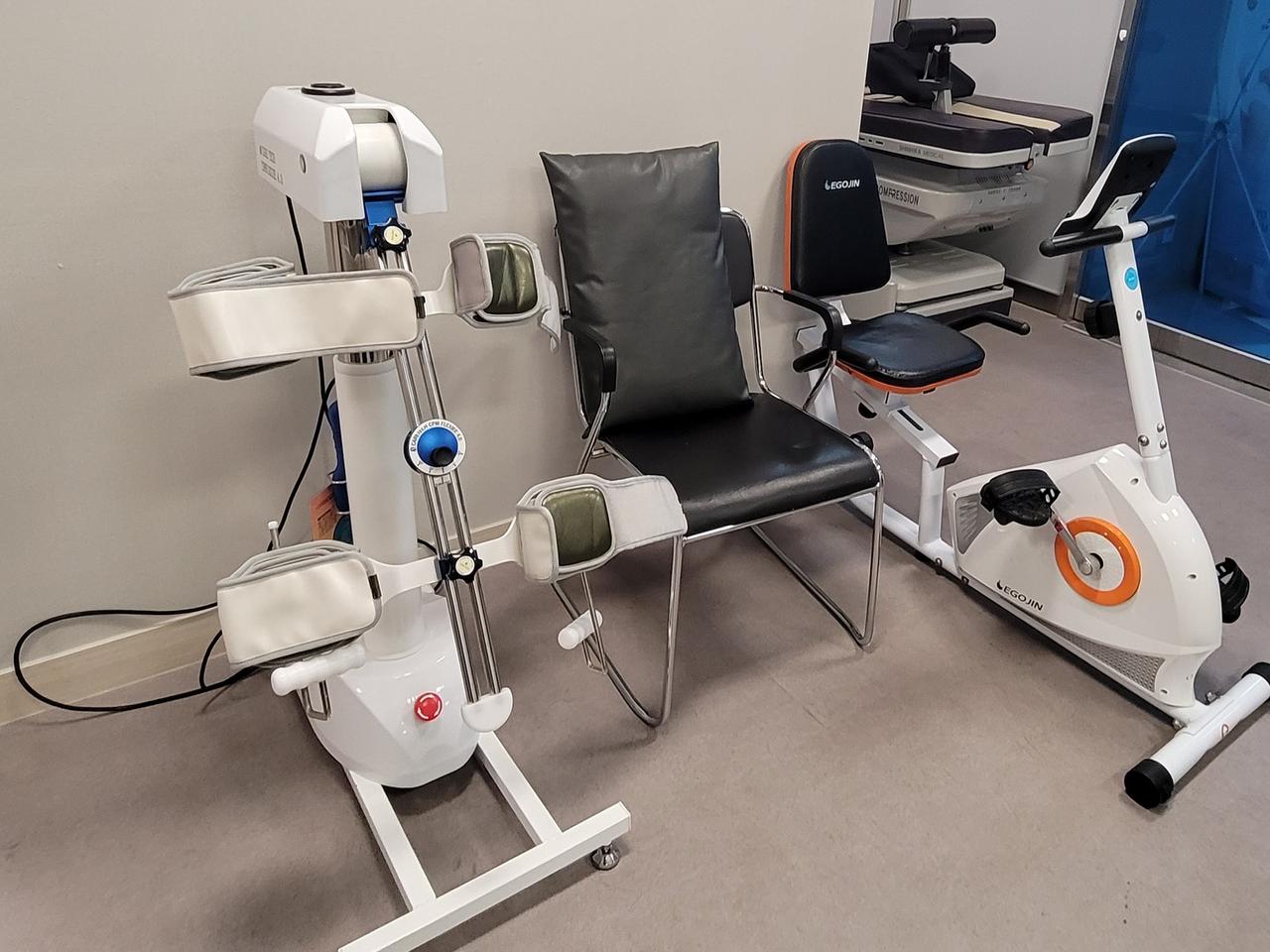
  • Rehabilitation CPM

    Rehabilitation CPM

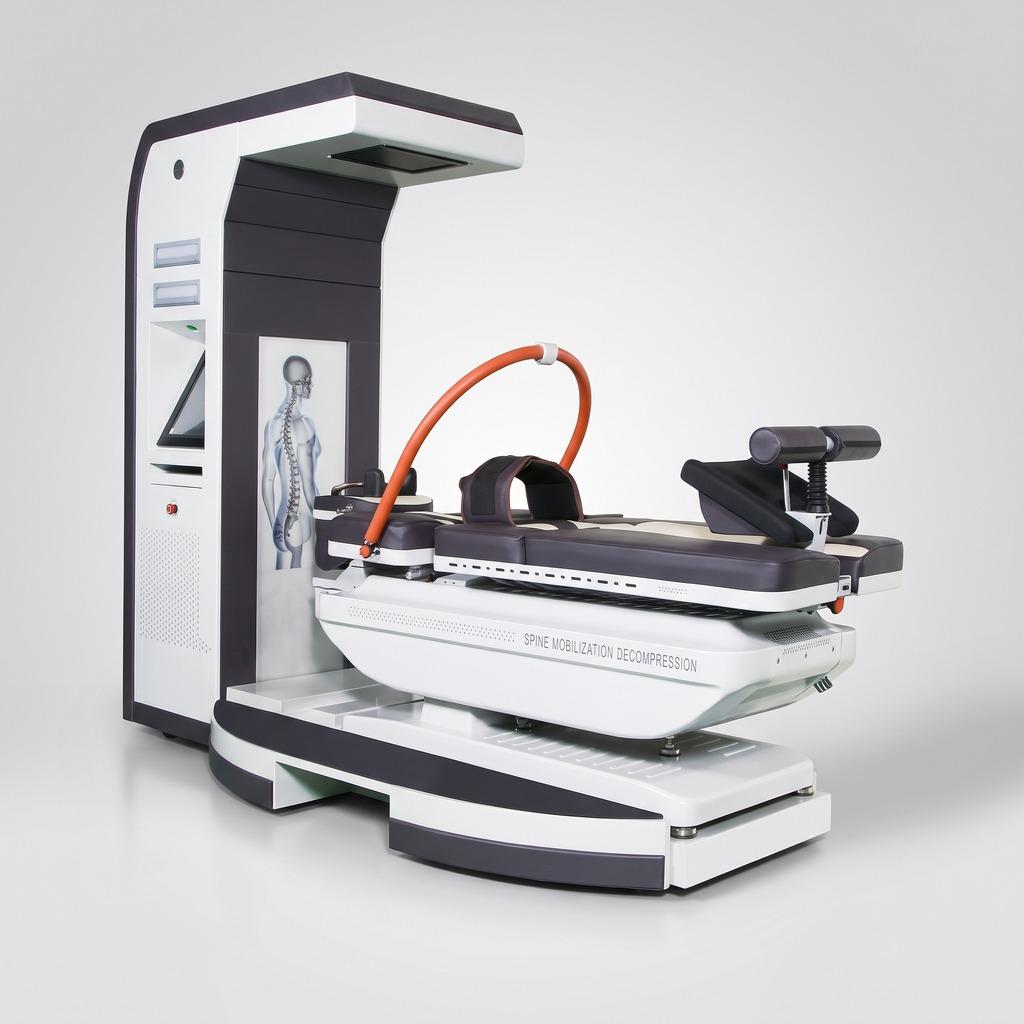
  • SPINE-MT spinal traction

    SPINE-MT spinal traction

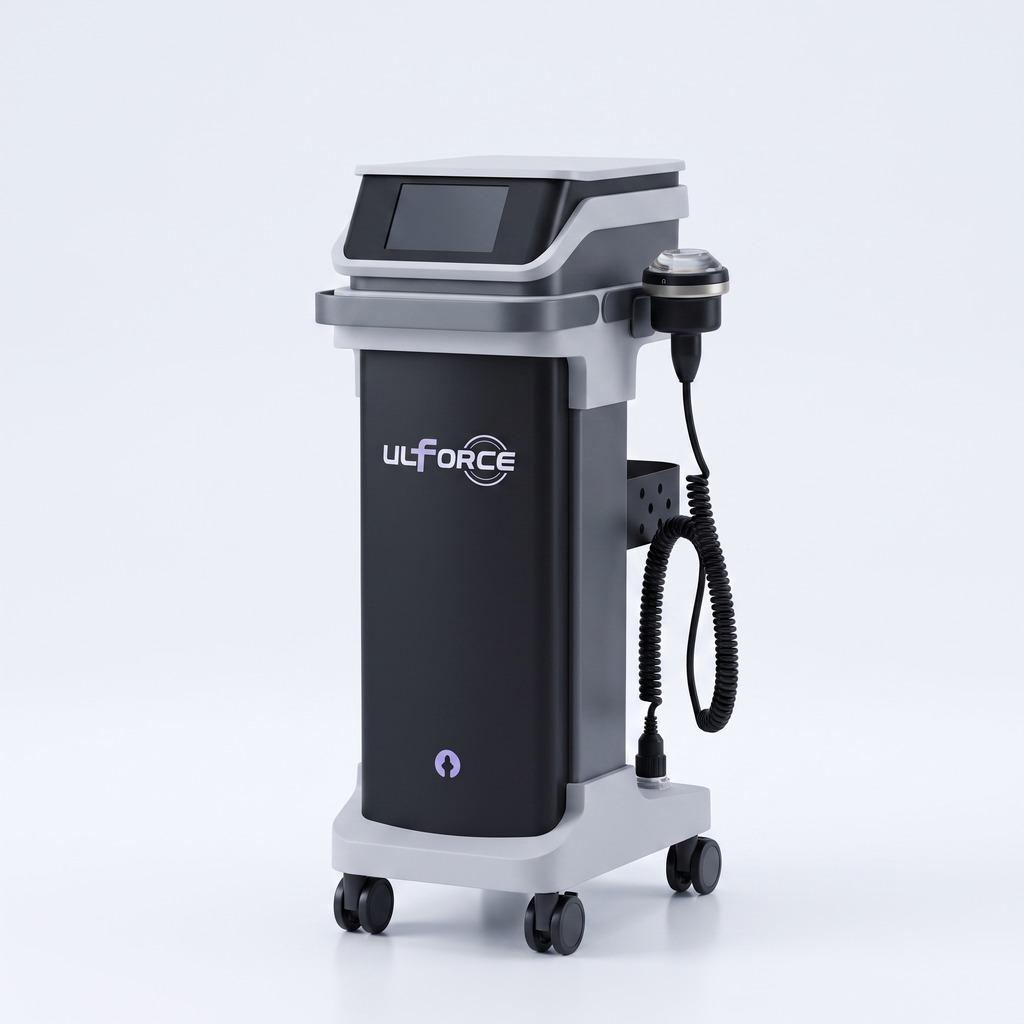
  • Extracorporeal shockwave therapy

    Extracorporeal shockwave therapy

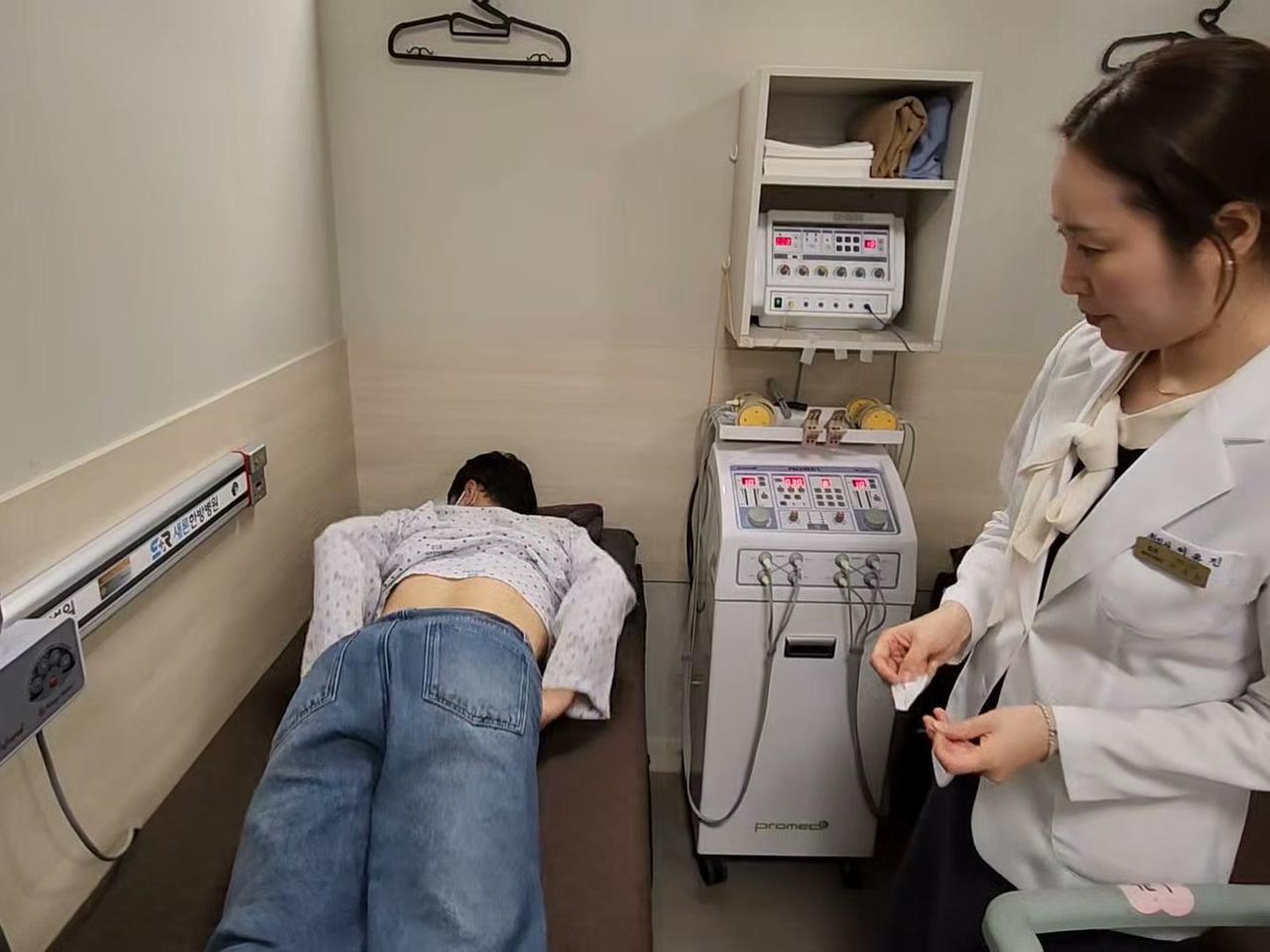
  • Acupuncture, electroacupuncture & cupping
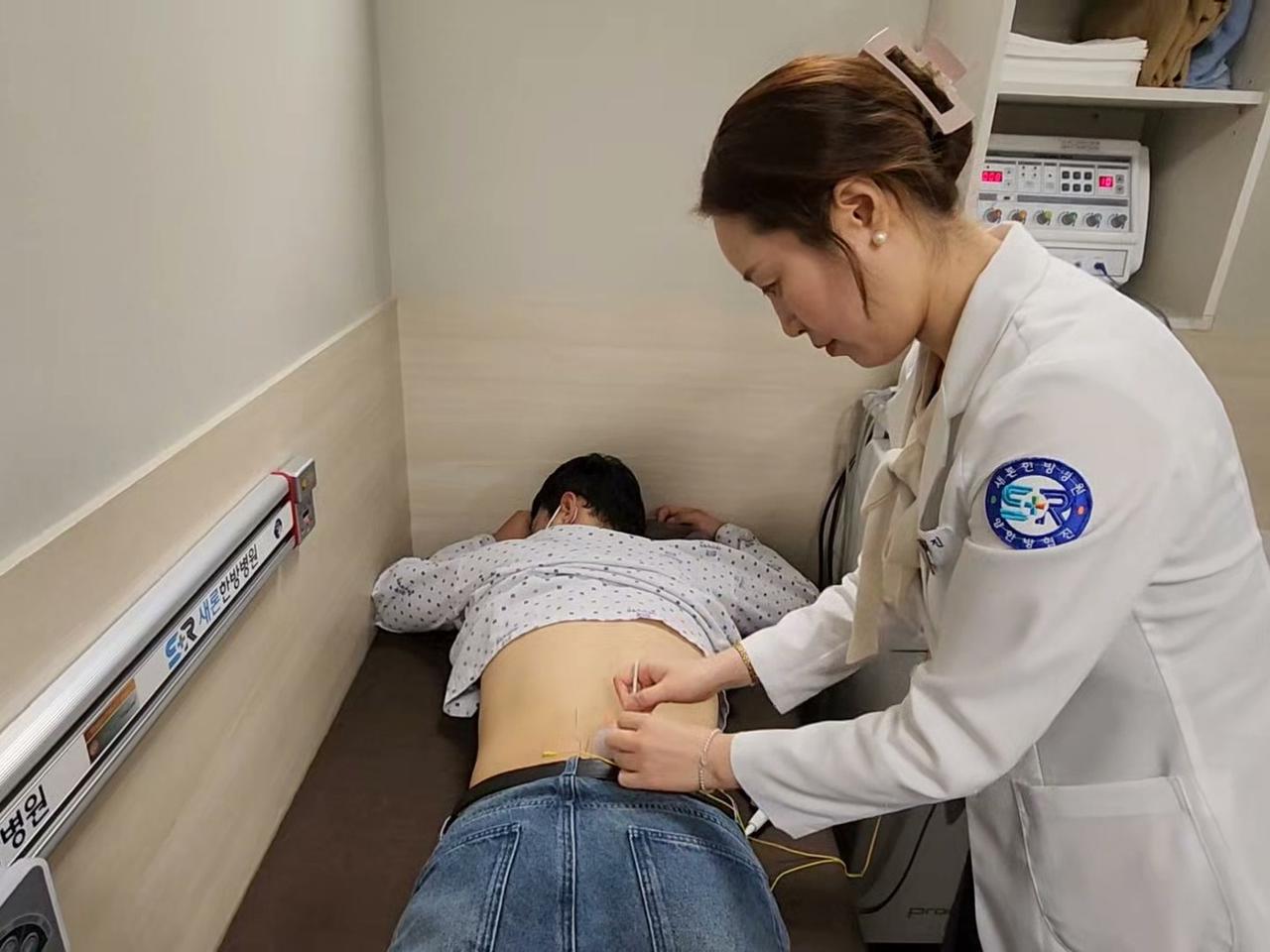
    Acupuncture, electroacupuncture & cupping

  • Pharmacopuncture

    Pharmacopuncture

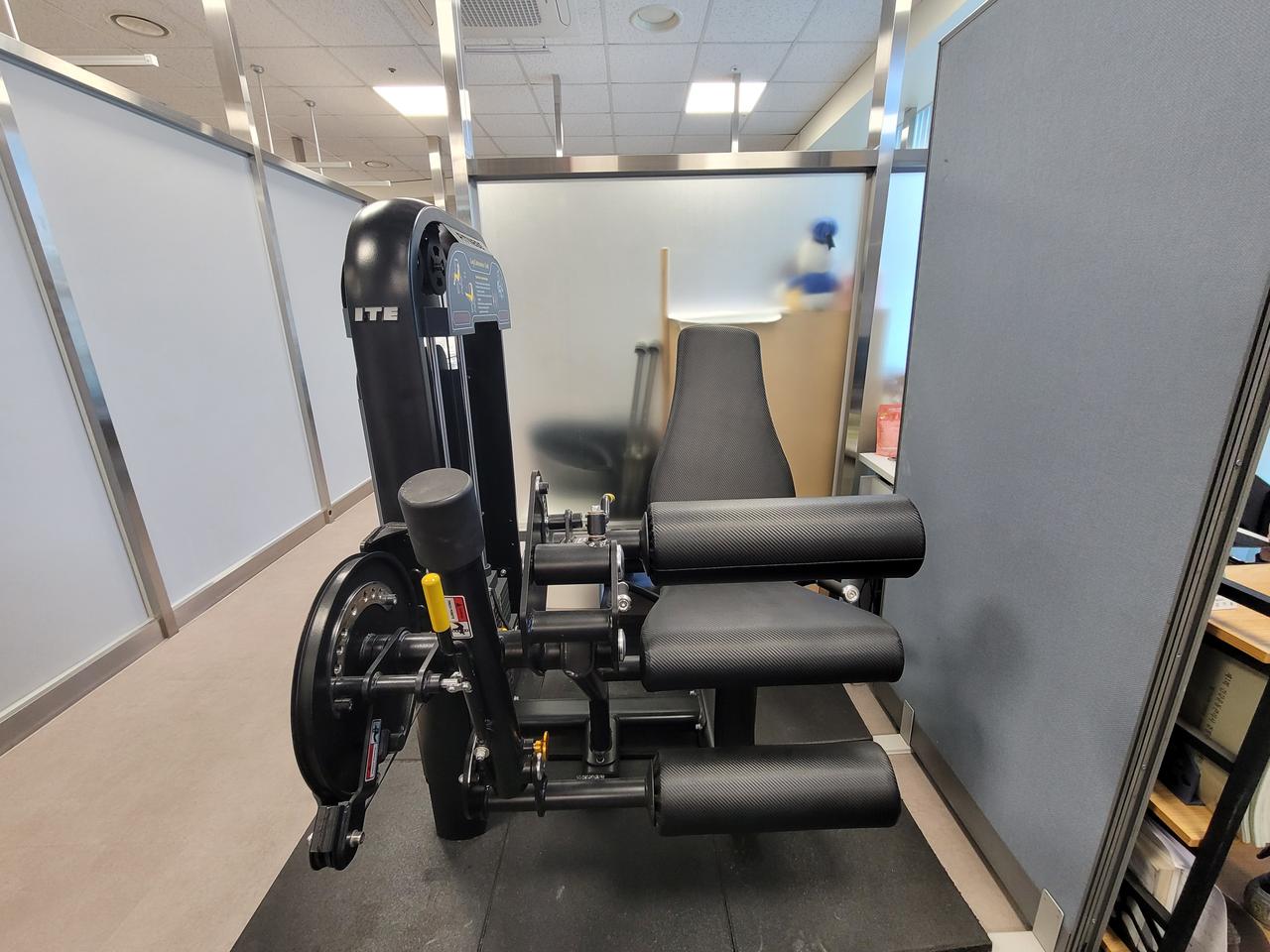
  • Exercise therapy (strength & balance)
    Exercise therapy (strength & balance)

  • Herbal care + orthopedic collaboration

    Herbal care + orthopedic collaboration

Care by Treatment Stage

From the first days after surgery through week twelve and beyond, rehabilitation intensity rises with each stage of recovery.
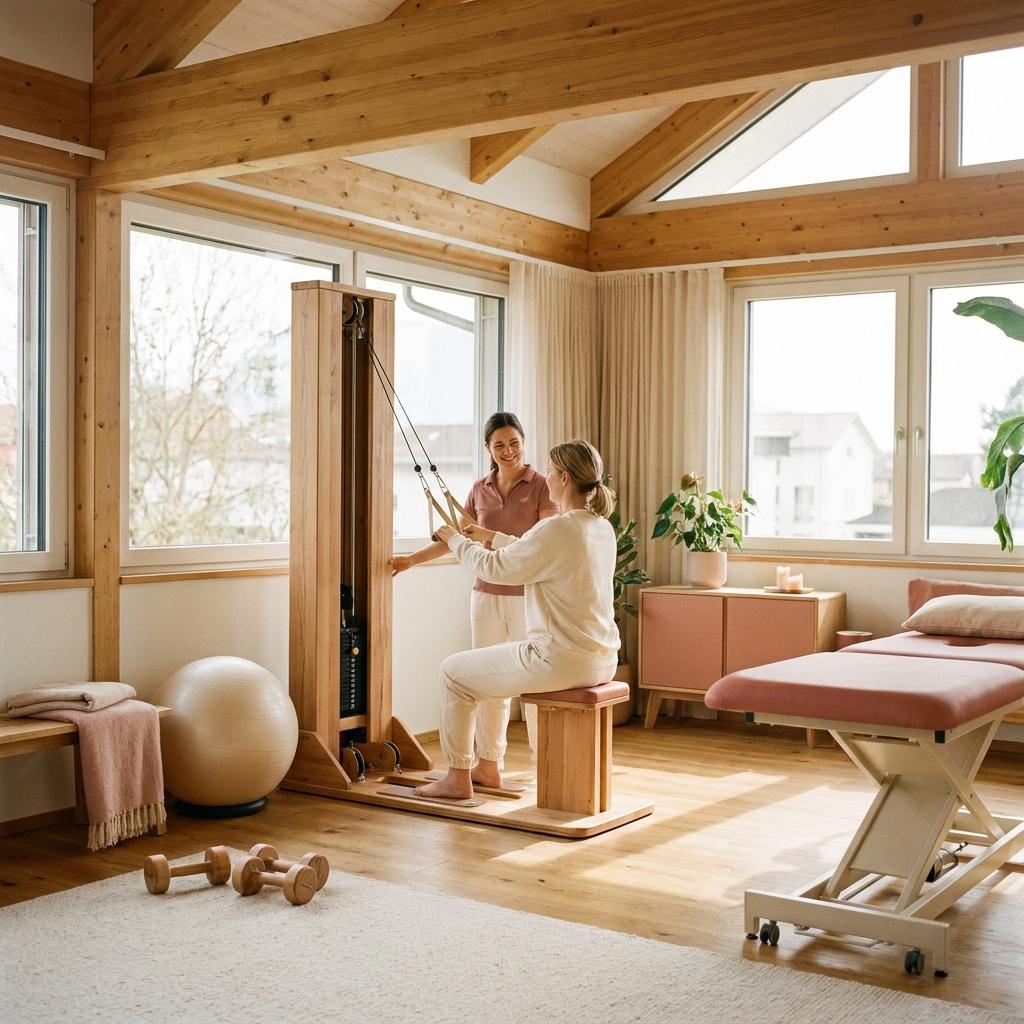
  • Stage 1: Early rehabilitation

    1. Stage 1: Early rehabilitation

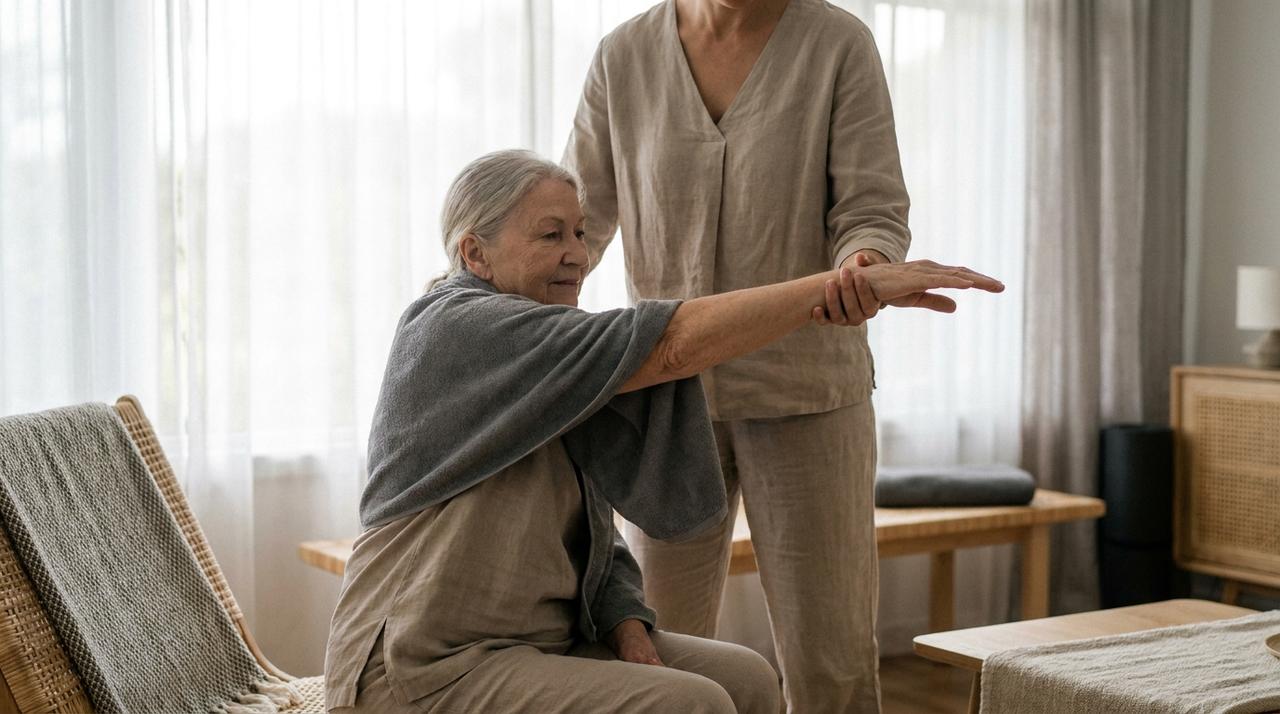
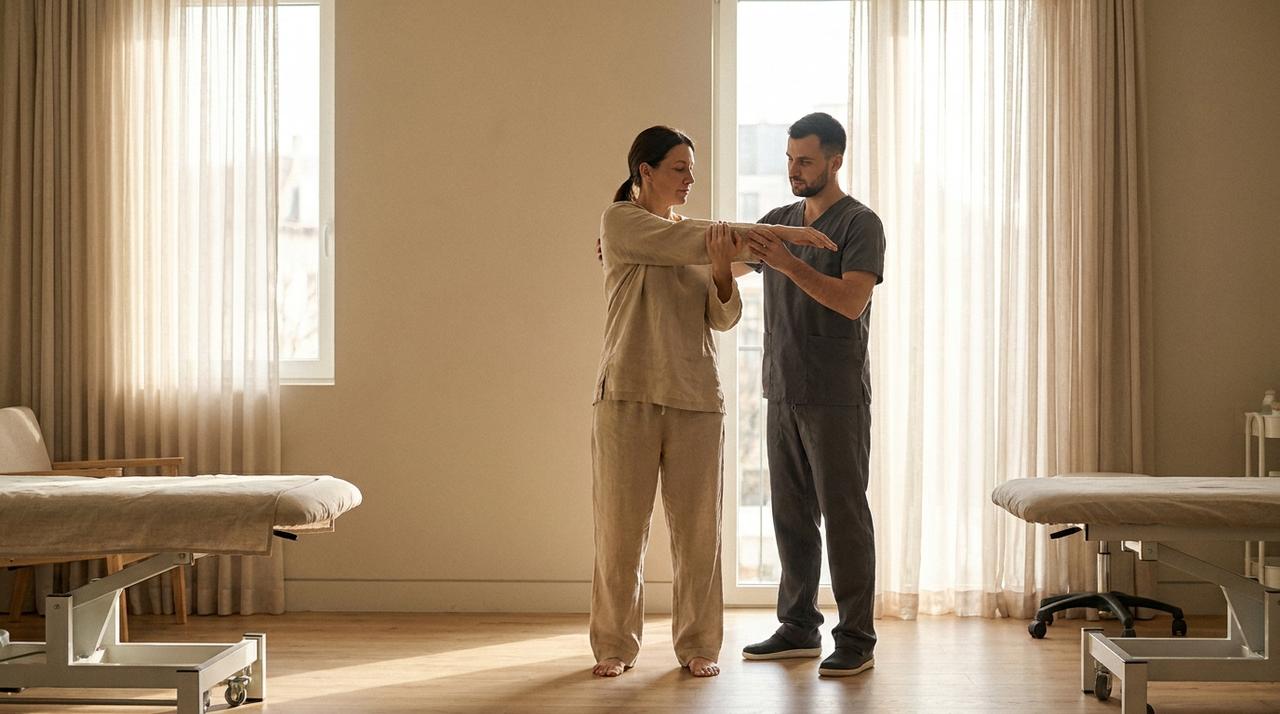
    The stage of protecting the surgical suture while controlling pain and inflammation and gradually increasing passive range of motion (PROM). Cold and warm compresses and gentle massage manage swelling and inflammation, range of motion is widened slowly with a specialist's help, and light isometric exercise by area and basic activities-of-daily-living training proceed.
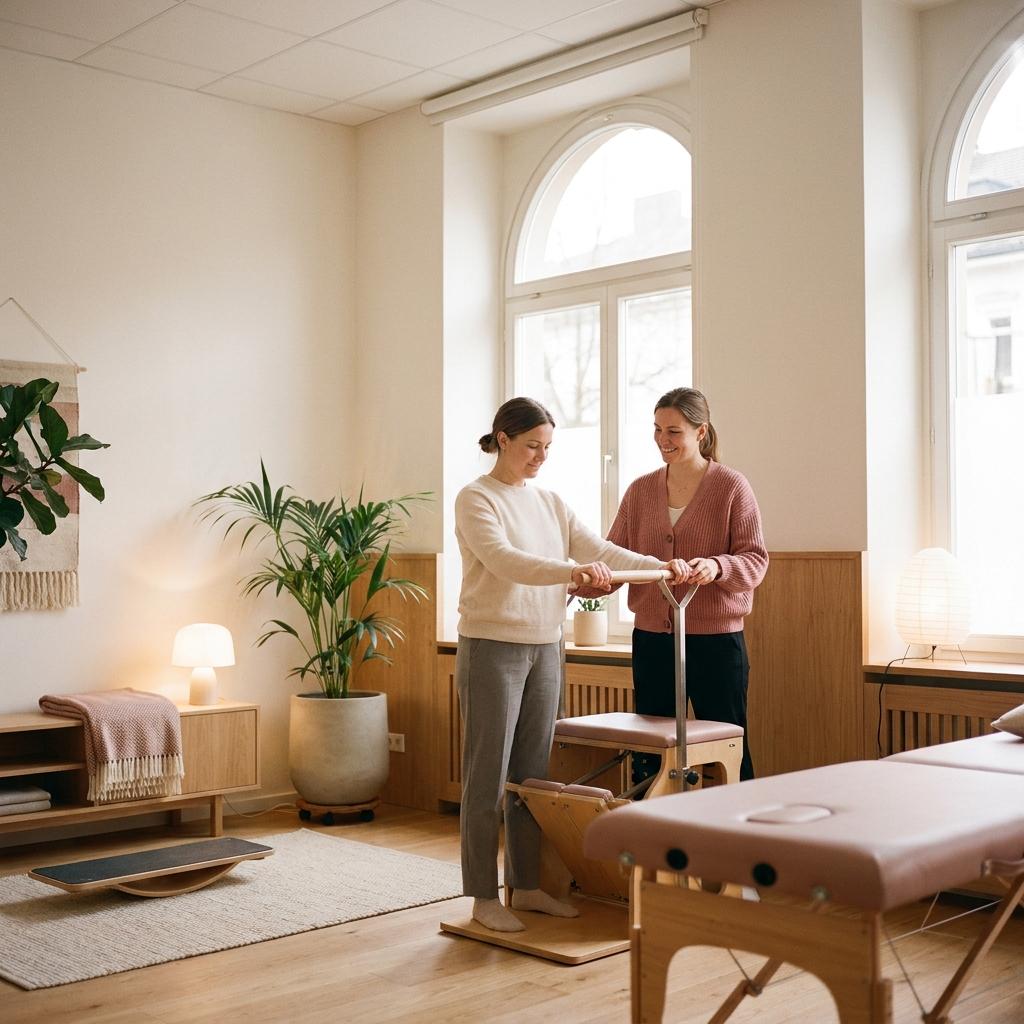
  • Stage 2: Intermediate rehabilitation

    2. Stage 2: Intermediate rehabilitation

    The stage of restoring range of motion on your own through active range of motion (AROM) work, improving strength and balance in preparation for returning to daily life. Resistance work with bands and light equipment and coordination and balance training — walking, level ground, stairs — proceed alongside acupuncture, cupping, and chuna to ease pain and muscle fatigue.
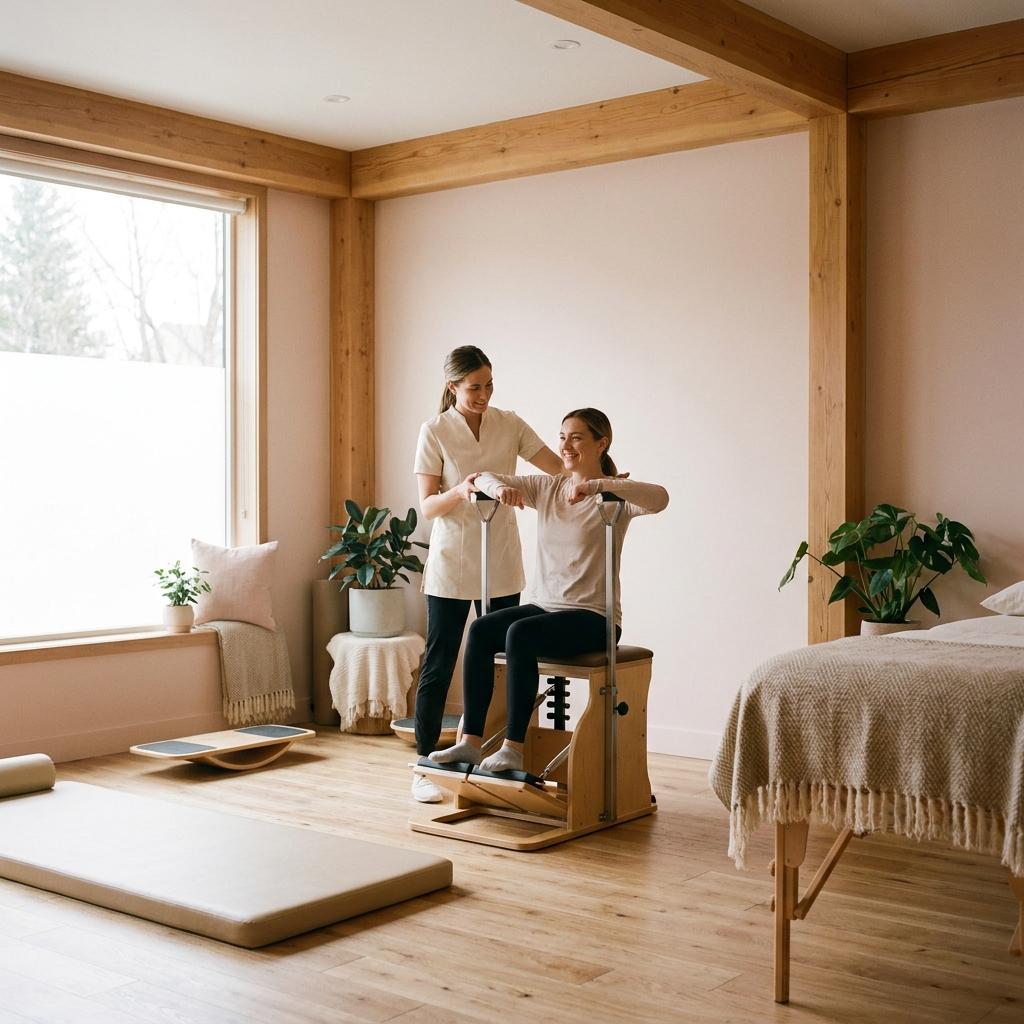
  • Stage 3: Late rehabilitation

    3. Stage 3: Late rehabilitation

    The stage aimed at a full return to daily life — work, leisure, and sport — by securing dynamic joint stability and restoring strength and endurance. High-intensity strength work such as weights and core training, coordination training including balance, jumping, and direction changes, and return-to-work and sport adaptation training proceed, with restorative herbal medicine and tailored health management aiding recovery of stamina.

Why Choose This Center

Private wards, 24/7 admission, integrated care — the right environment for recovery.
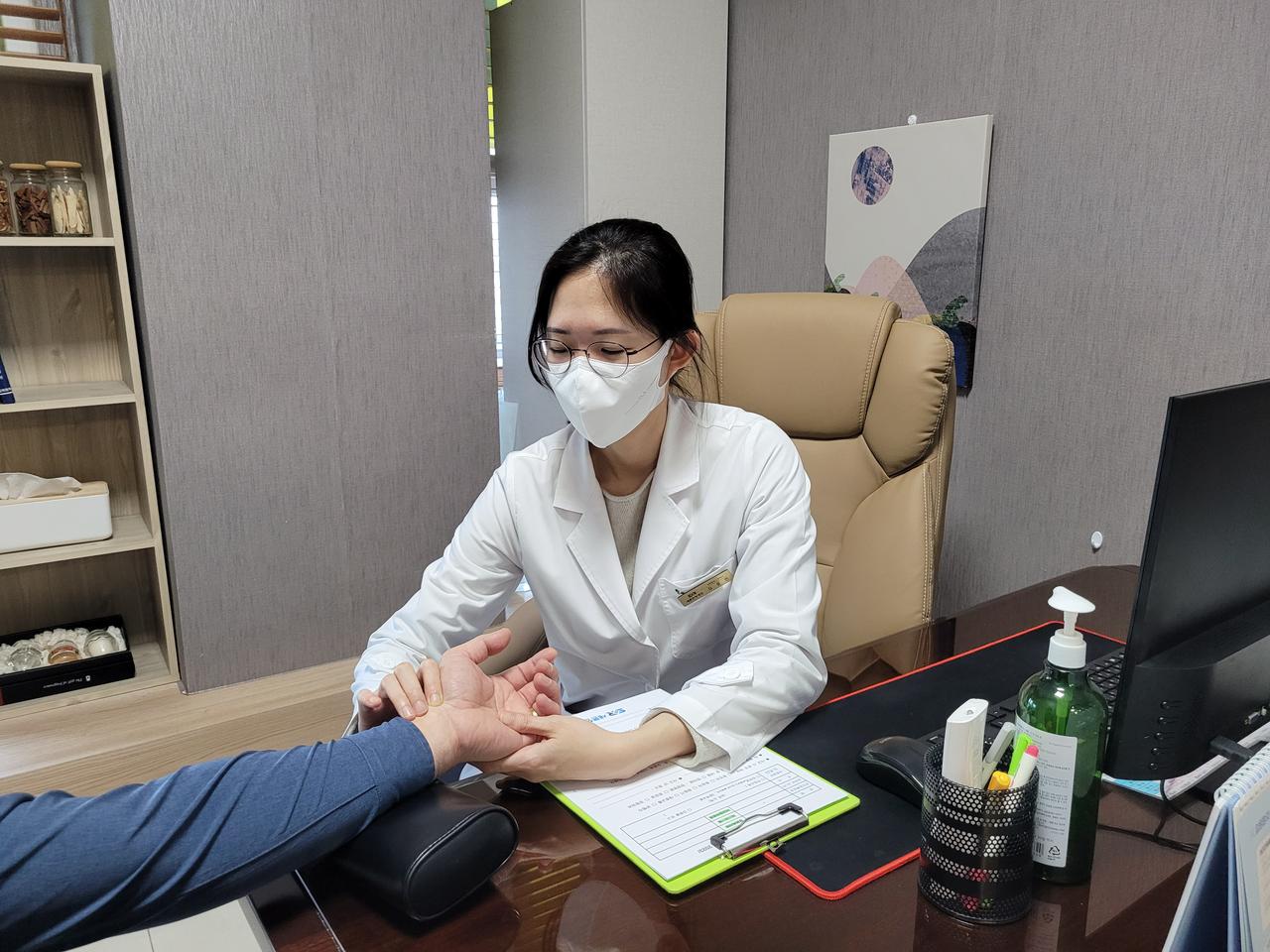
One-stop Korean-Western collaborative care

One-stop Korean-Western collaborative care

Diagnosis, rehabilitation, and Korean medicine care in one hospital, start to finish
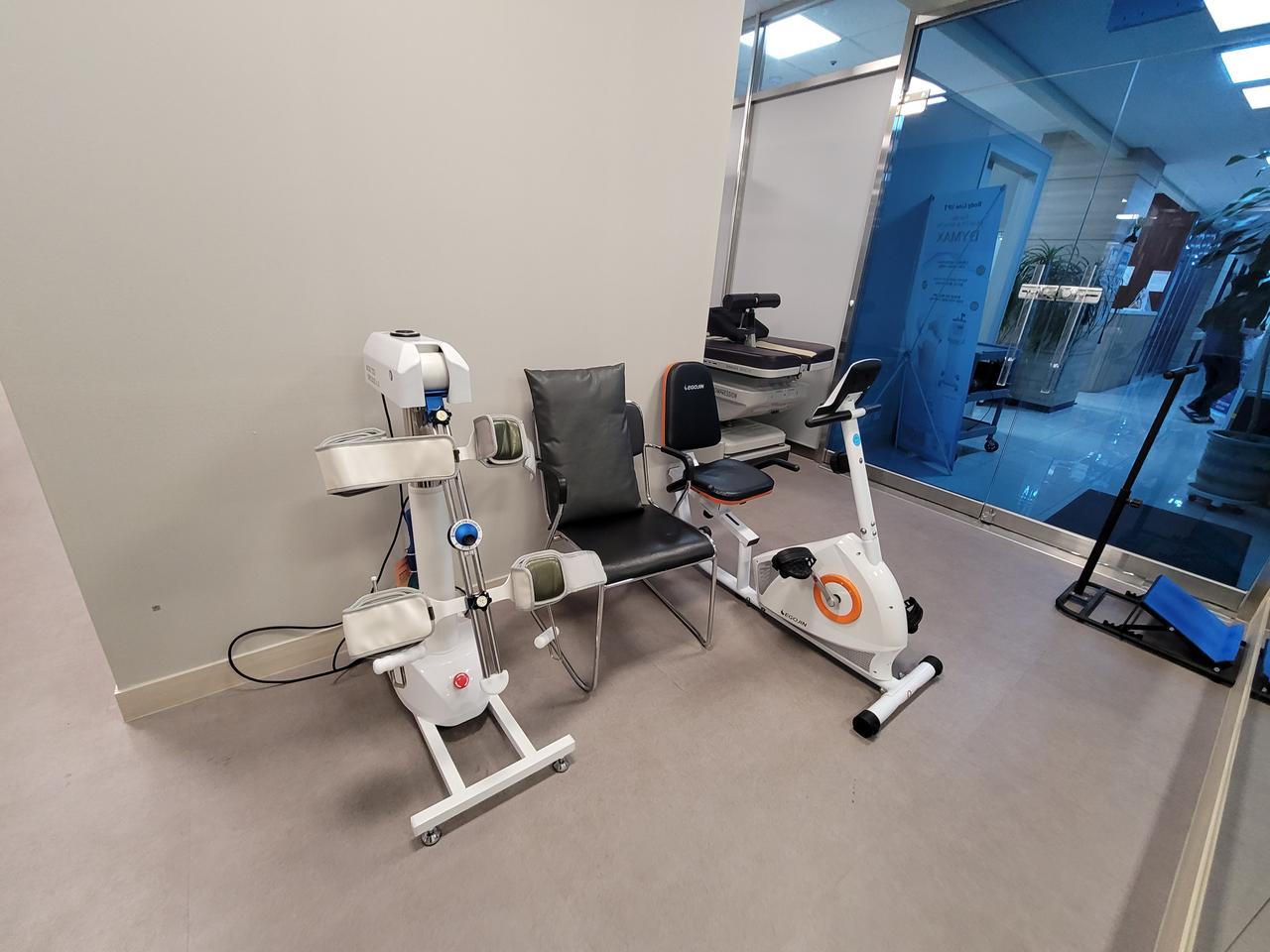
Standardized 3-stage rehab protocol

Standardized 3-stage rehab protocol

A standardized three-stage rehab from right after surgery through late recovery, for a safe return
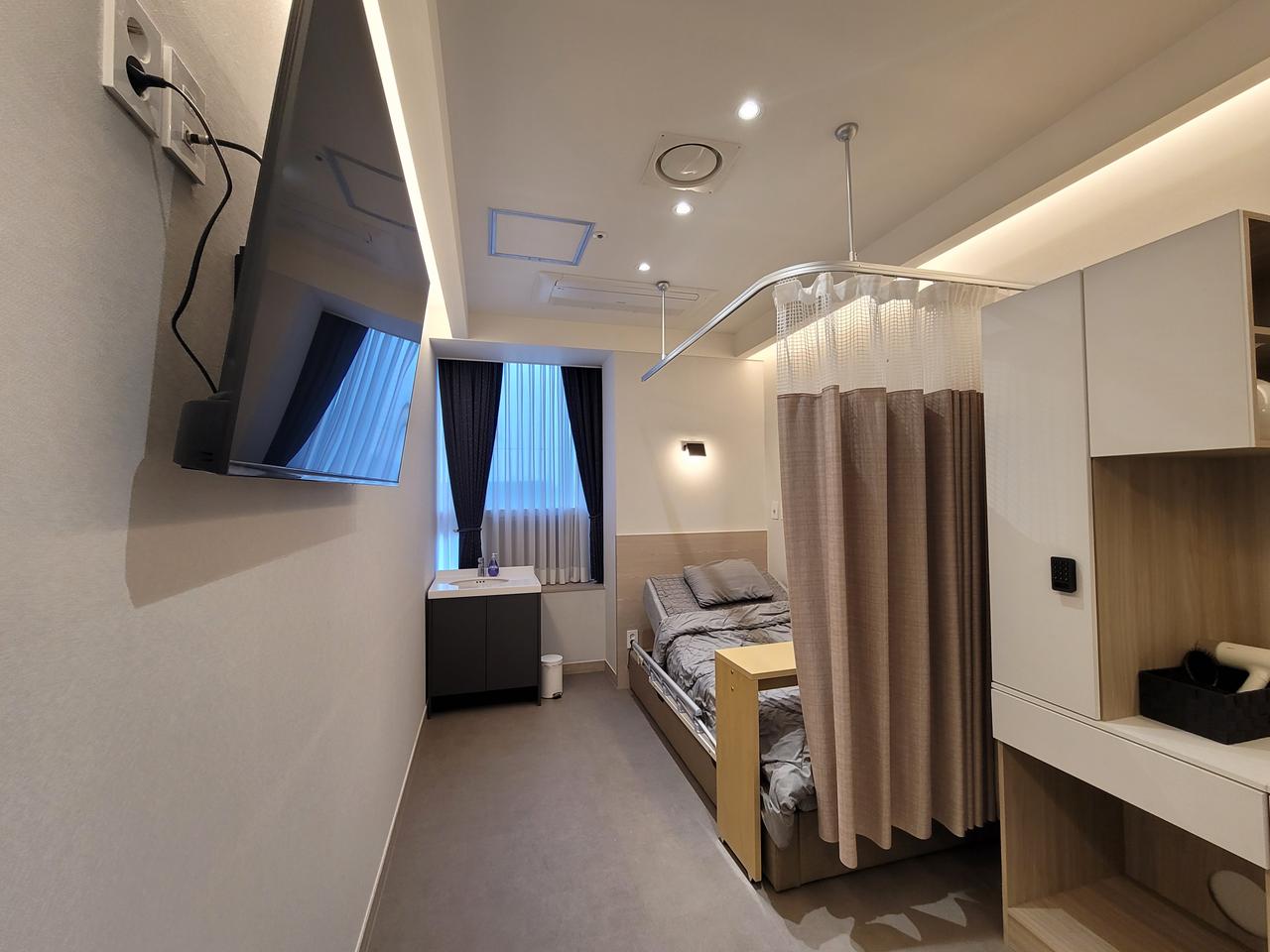
365-day 24h inpatient intensive rehab

365-day 24h inpatient intensive rehab

Admission 24 hours a day, 365 days a year — intensive rehab on the same day or the weekend

Equipment & Devices

Proven equipment for precise diagnosis and treatment.

  • Spine MT (Traction & Decompression Therapy)
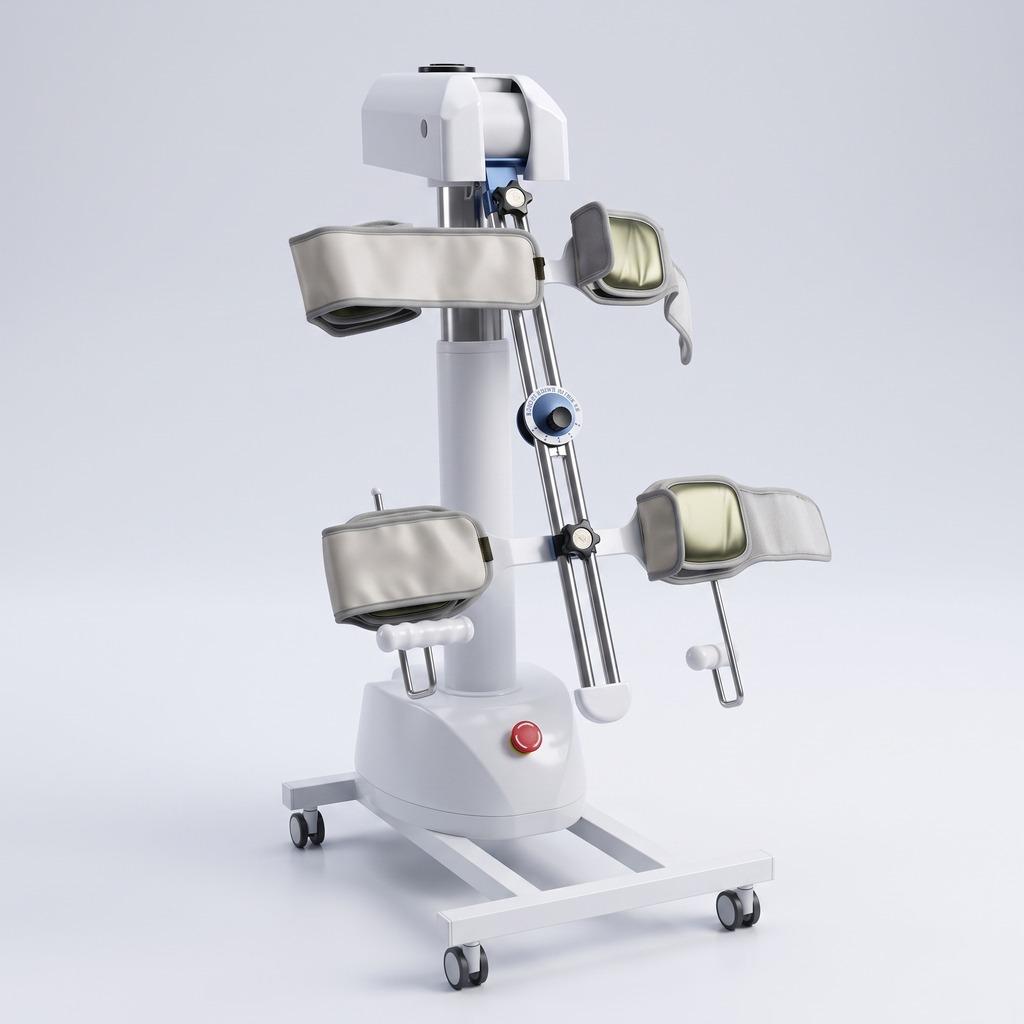
    Spine MT (Traction & Decompression Therapy)

  • Rehabilitation CPM

    Rehabilitation CPM

  • Extracorporeal Shockwave Therapy (ESWT)
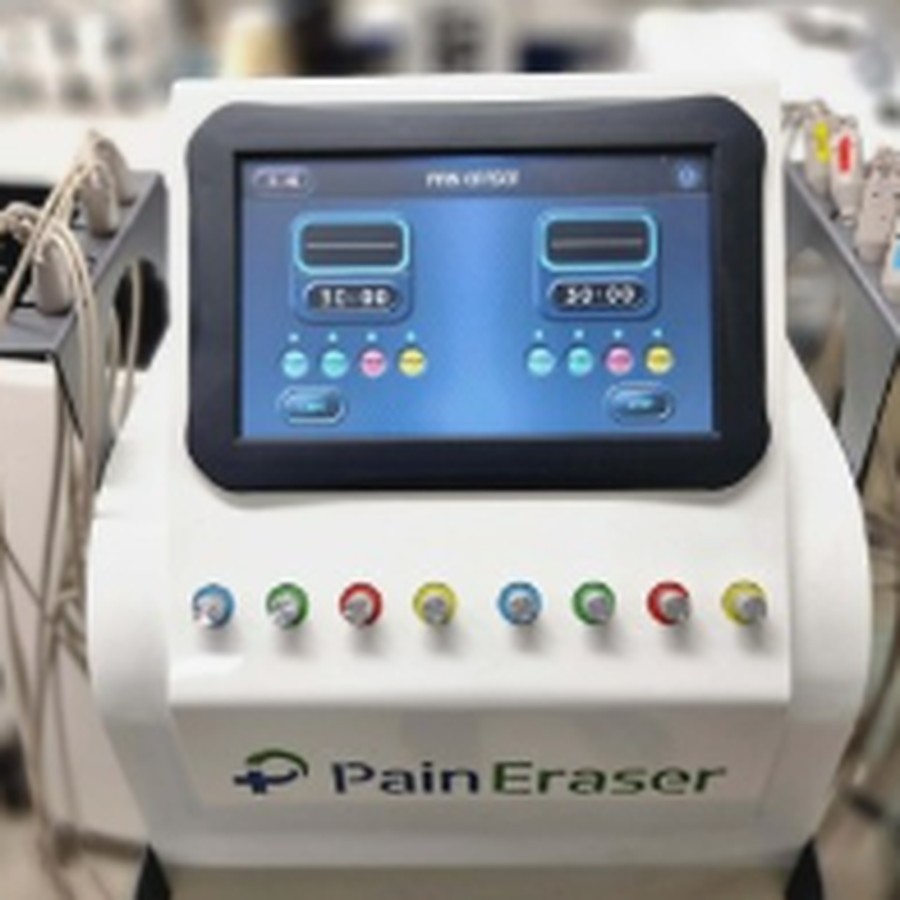
    Extracorporeal Shockwave Therapy (ESWT)

  • PainEraser

    PainEraser

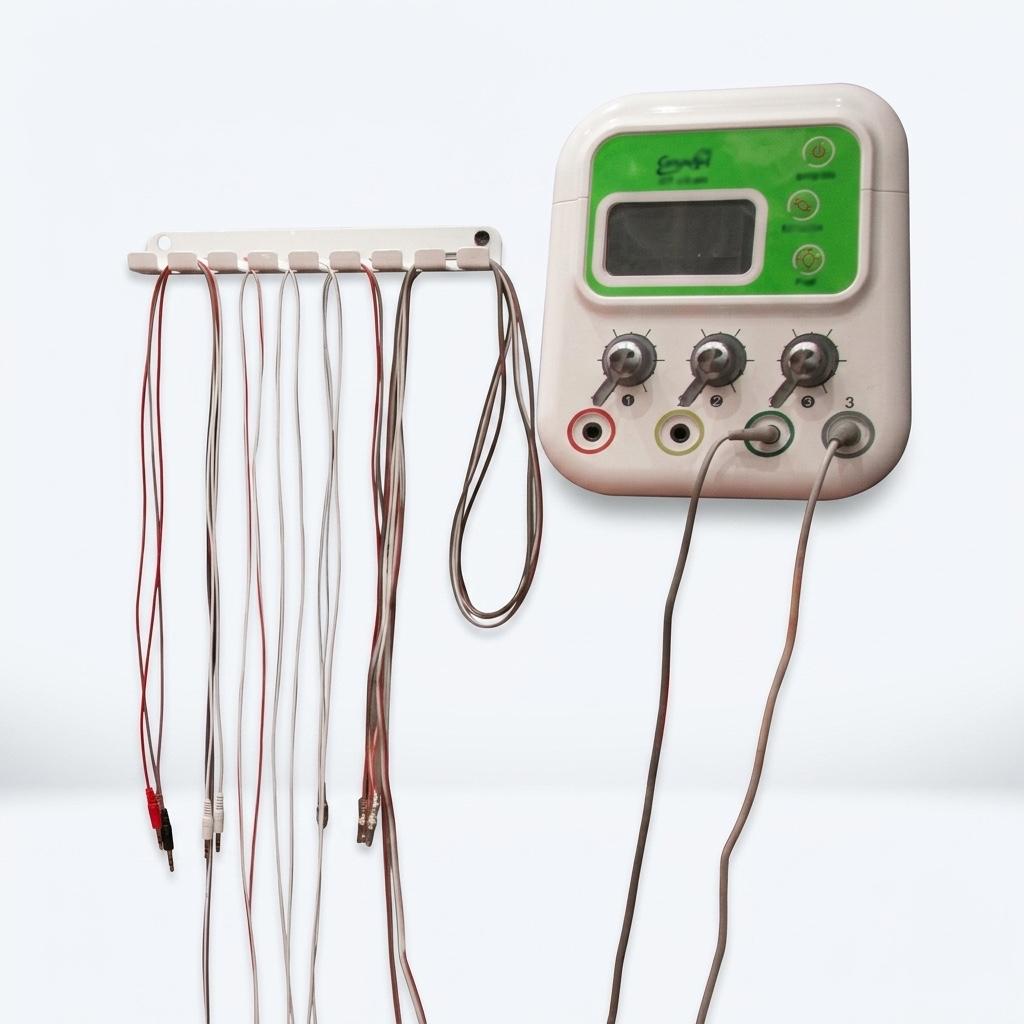
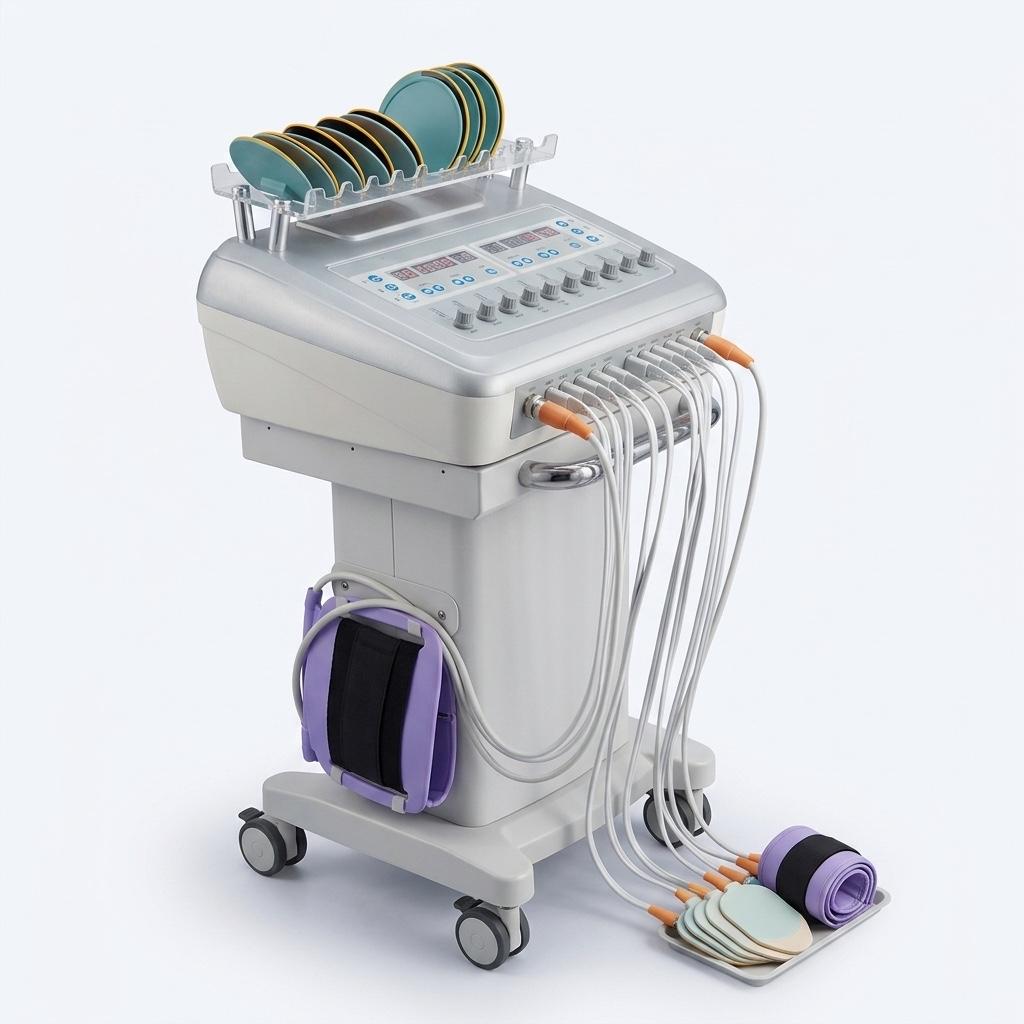
  • Electroacupuncture device

    Electroacupuncture device

  • Interferential current therapy

    Interferential current therapy

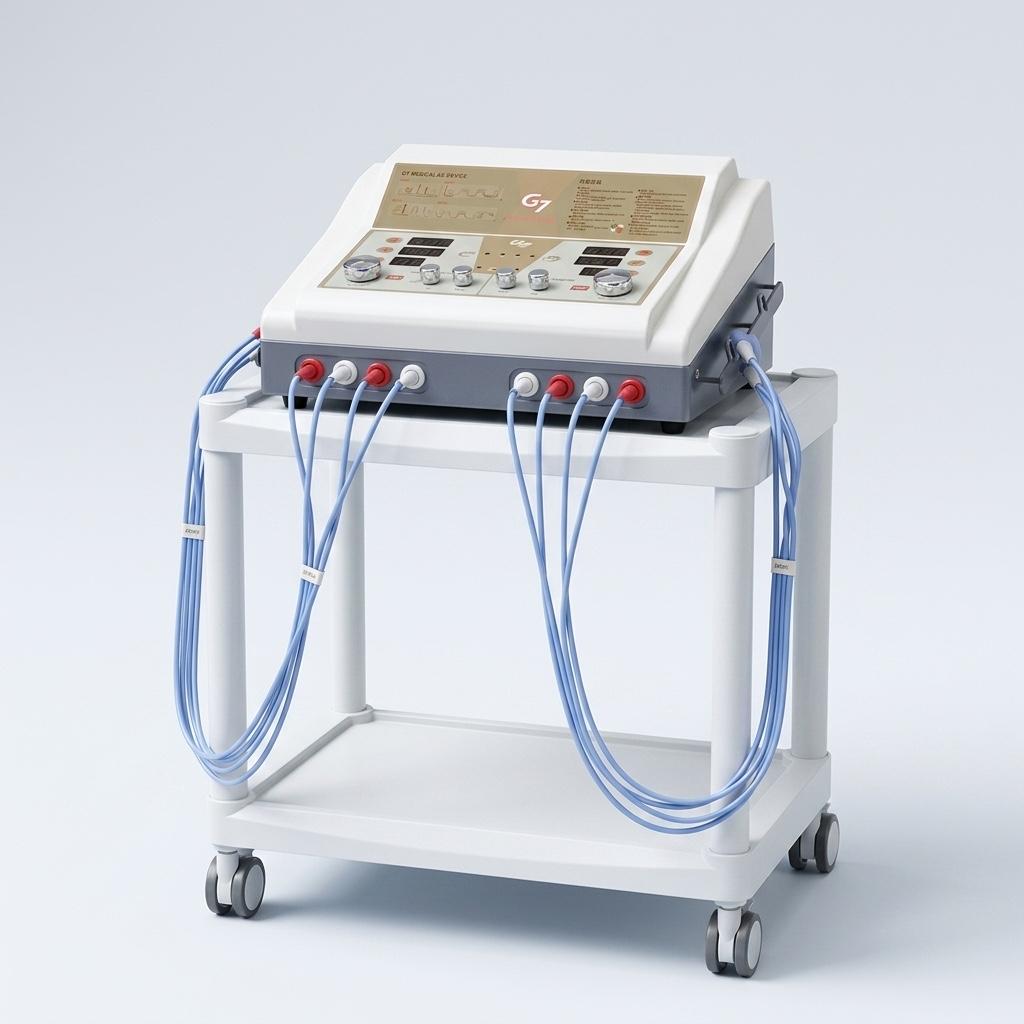
  • Low-mid frequency therapy

    Low-mid frequency therapy

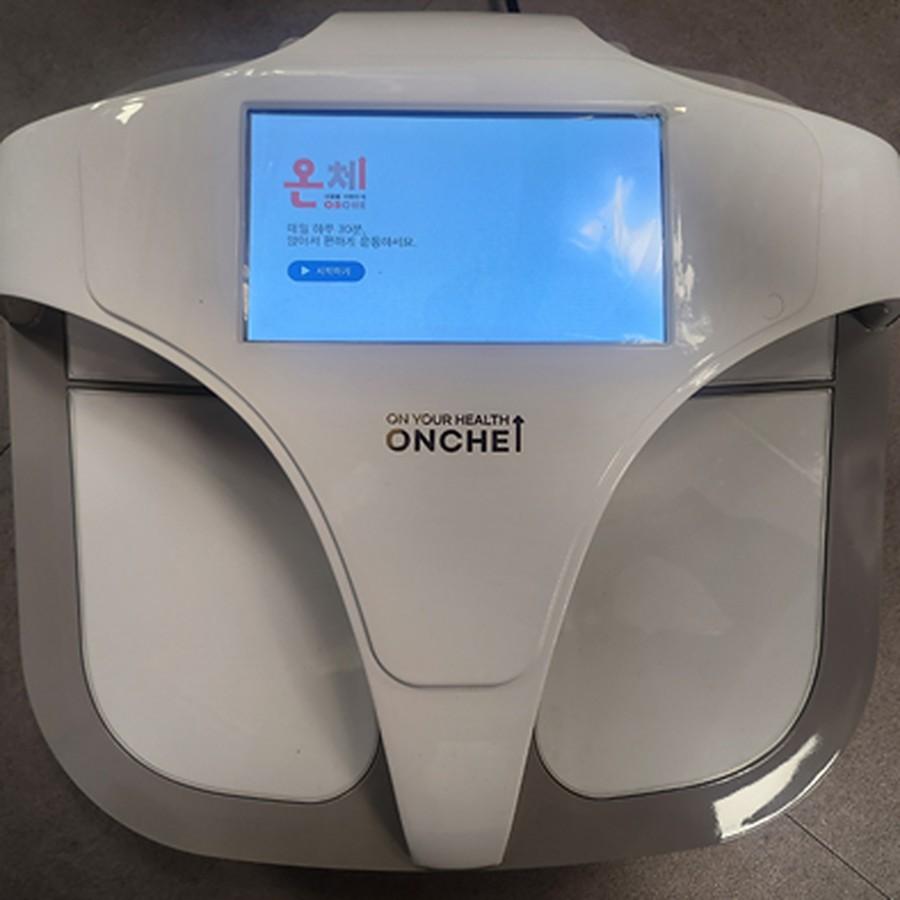
  • Deep-heating high-frequency

    Deep-heating high-frequency

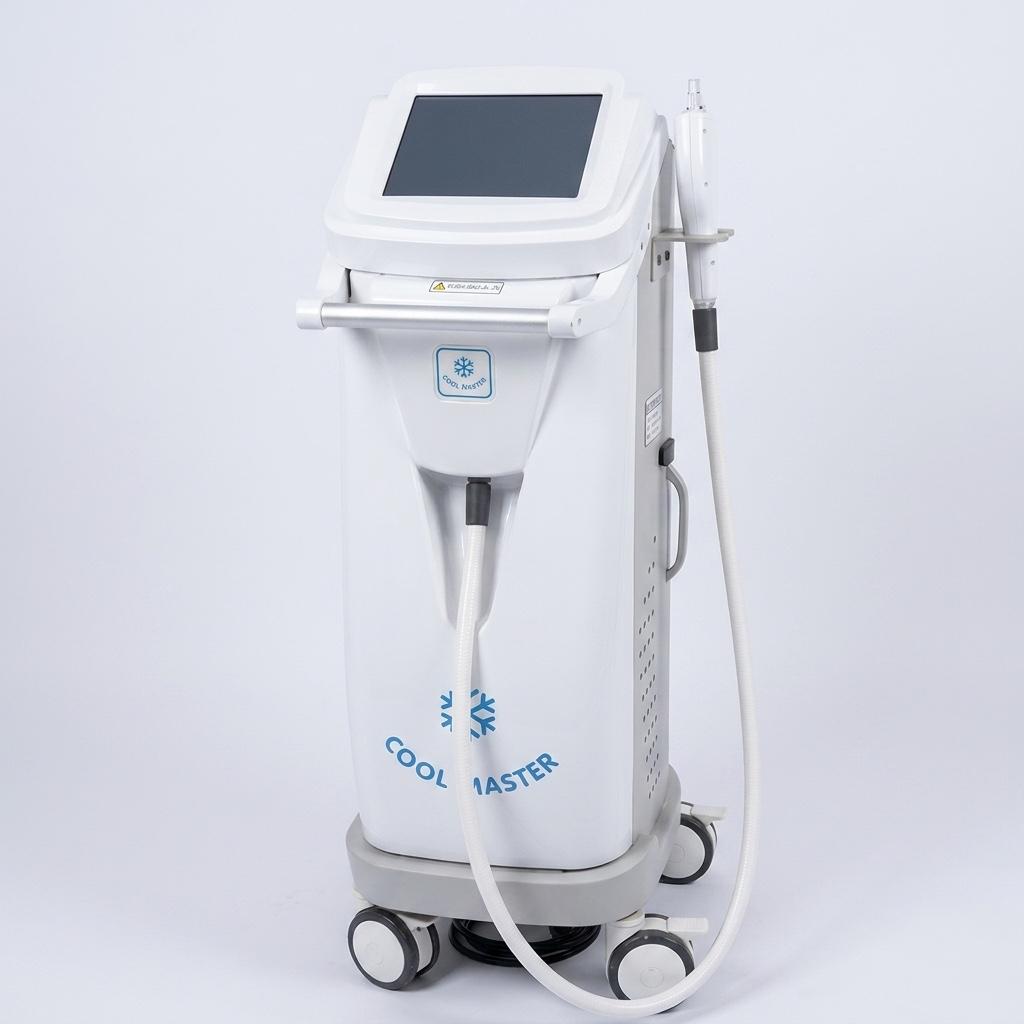
  • Cryotherapy device

    Cryotherapy device

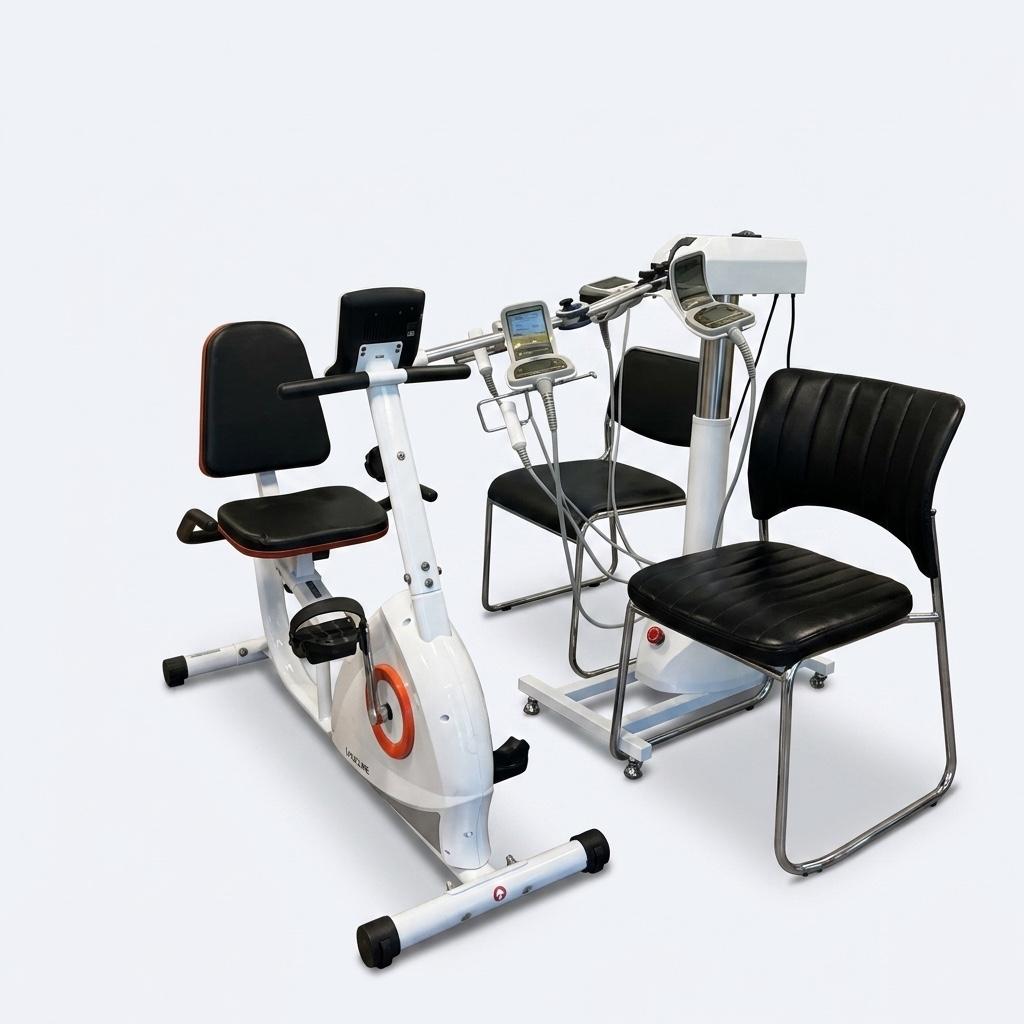
  • Exercise therapy equipment

    Exercise therapy equipment

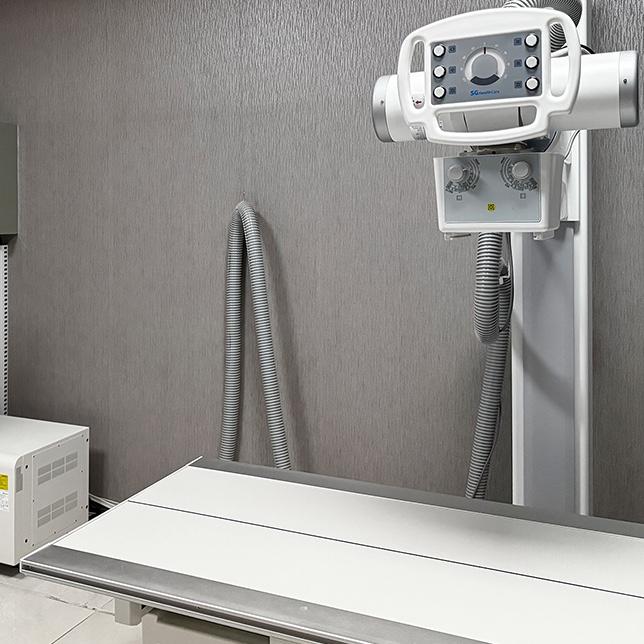
  • X-ray imaging

    X-ray imaging

FAQ

We have gathered the questions we hear most about admission and care.

A consultation will walk you through the details.

Is admission possible on Sundays and public holidays?

Yes. Saeron Clinic operates its inpatient wards 24 hours a day, 365 days a year, making admission possible even on Sundays and public holidays.

How do the single and double patient rooms operate?

Saeron Clinic operates private wards primarily featuring single and double patient rooms. Single rooms incur a premium room charge (non-covered by insurance). For current room availability, please contact us by phone.

Can I get rehab even if I was operated elsewhere?

Yes. Even if you were operated on elsewhere, we assess your current state with reference to the surgical records and images and design a staged rehabilitation program. If needed we re-check with X-ray and proceed with recovery through combined Korean and Western care.

How long does inpatient rehabilitation usually take?

It depends on the surgical site and the degree of recovery. Generally it runs in stages — early rehabilitation right after surgery (to week 4), mid-phase (weeks 4–12), and late phase (after week 12) — and intensive inpatient rehab can run alongside outpatient rehab according to your state.

Are private insurance or workers compensation covered?

Some items such as manual therapy may be covered depending on the terms of your private insurance, and post-surgical rehabilitation following a work injury can sometimes fall under workers' compensation. It varies with your insurance and claim conditions, so we will explain eligibility when you visit.

How does the Korean-Western collaborative care work?

An orthopedic specialist diagnoses with X-ray and blood tests and handles Western treatments such as prolotherapy, cartilage injections, and physical therapy, while a Korean medicine doctor designs chuna, acupuncture, cupping, herbal medicine, and manual and exercise rehabilitation alongside. One hospital, one collaborative flow from diagnosis through rehabilitation and Korean medicine care, speeding recovery.

When is hospitalization possible after surgery?

If a medical certificate and recovery are deemed necessary after spine or joint surgery, a fracture, or similar conditions, you may be admitted, and the length of stay is proportional to the diagnosed number of weeks. All admissions are decided after examination by a doctor, so please contact us in advance to arrange a consultation.

  1. Address

    Fourth floor, Areumdaun Tower, 101 Nongogae-ro, Namdong-gu, Incheon — the building across from Homeplus Incheon Nonhyeon.

  2. Subway

    Two minutes' walk, about 100 m, from Exit 1 of Incheon Nonhyeon Station (Suin-Bundang Line).

  3. Parking

    Parking is available from the first basement level up to the fourth floor. Outpatients receive a one-hour parking voucher.

  4. Clinic Hours

    Skin & aesthetics: Mon, Wed 9:30–19:00; Fri 9:30–20:00; Tue, Thu 9:30–18:00; Sat & holidays 9:30–15:00; closed Sunday. Other departments: weekdays 9:30–20:00; Sat, Sun & holidays 9:30–14:30. Weekday lunch break 13:00–14:00.

  5. Contact

    Please call our main line at 032-423-3650.