
How to Clear Age Spots — From Causes to Laser Treatment and Care
We get a great many inquiries about removing age spots and lentigo these days. Here is a summary of why age spots form and how they are treated.
Age spots and lentigo are not the same
An age spot (seborrheic keratosis) is a benign tumor of overgrown keratinocytes — dark in color and raised above the skin. Lentigo is pigment from proliferated melanin, so its surface is smooth and its color lighter. Aging is the main cause, and with heavy sun exposure it can appear from the forties.
Treatment follows the type
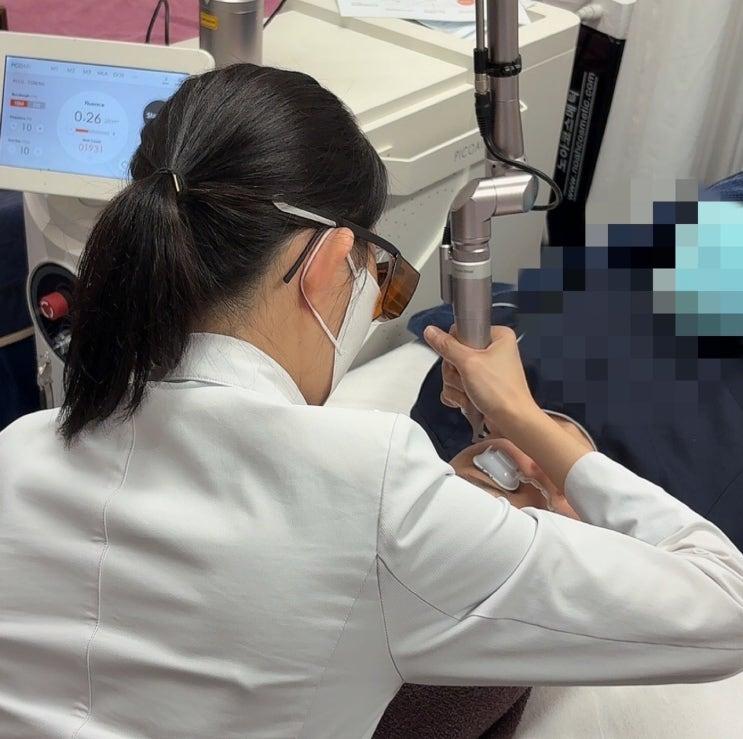
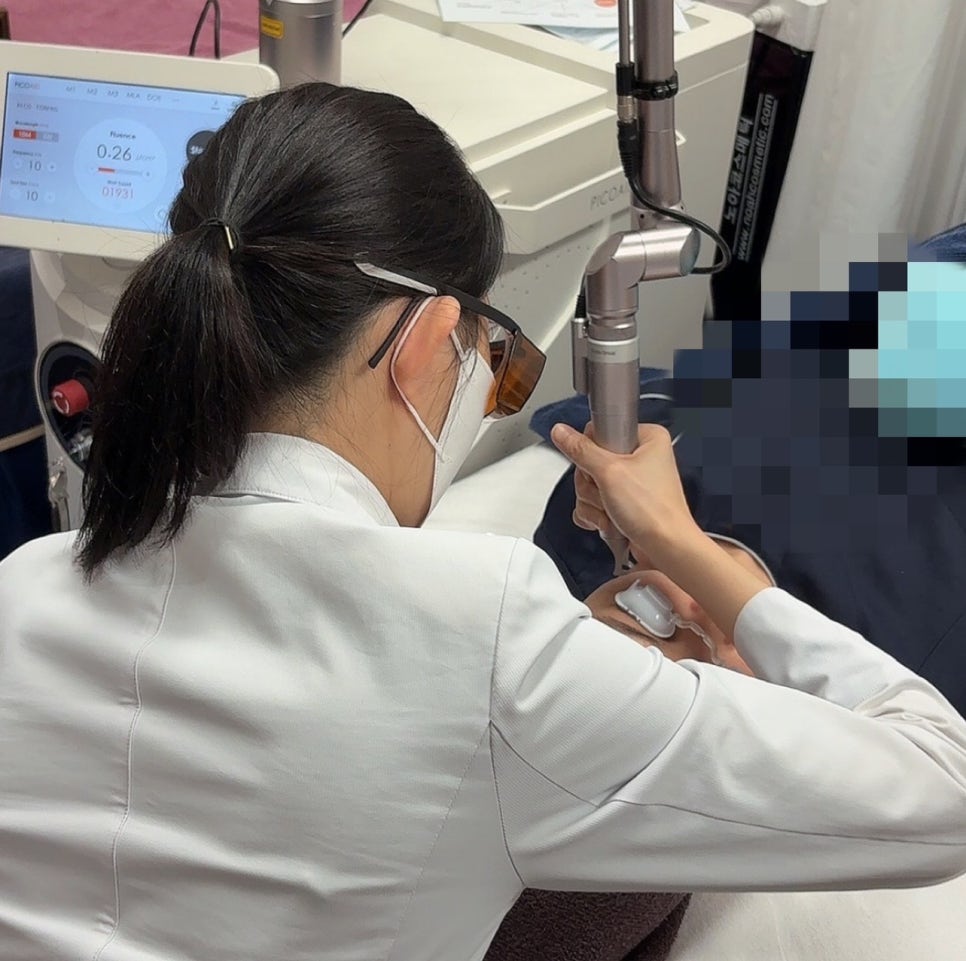
An age spot confined to the epidermis improves at once when shaved off with a CO2 laser. Where pigment is mixed in, we shave with CO2 and then continue with a pigment laser. Small, shallow lesions can be removed in a single session; large, deep ones are done over several.
The two weeks after treatment matter
DuoDERM is applied to the treated area for about two weeks (showering and washing are fine). Let the scab fall away on its own, and once it does, protect thoroughly from the sun. Redness fades over one to six months. Sun protection is also the basis of prevention. UV comes through windows even indoors, so reapply sunscreen often and use a hat or parasol.
Identifying the lesion correctly is where proper removal begins. Start with a diagnostic consultation.